Smart Water Management: How Ready Scout Uses Smart Water Technology to Protect Lakes and Ponds
Introduction
This article explores how smart water management technologies are transforming the way lakes, ponds, wetlands, and shoreline communities are managed. It is designed for lake associations, HOAs, resorts, and private water system managers seeking to improve water quality, reduce costs, and ensure regulatory compliance. Smart water management matters because it enables proactive, data-driven solutions to environmental challenges, supporting healthier ecosystems and more resilient communities.
Key Takeaways
- Smart water management uses sensors, data analytics, predictive analytics, and digital twins to move lake, pond, wetland, stormwater, and wastewater management from reactive fixes to real time monitoring.
- Ready Scout, LLC designs smart water solutions for private lakes, ponds, wetlands, HOAs, resorts, and lake associations across northern New Jersey, upstate New York, Vermont, and Ontario, building on over 30 years of lake management consulting experience.
- The main outcomes are fewer algae blooms, better water quality, stronger regulatory compliance, improved energy efficiency, cost savings, and lower long-term maintenance costs.
- Smart water technology is no longer only for water utilities or smart cities; Ready Scout scales smart systems for small and mid-sized water systems.
What Is Smart Water Management for Lakes, Ponds, and Wetlands?
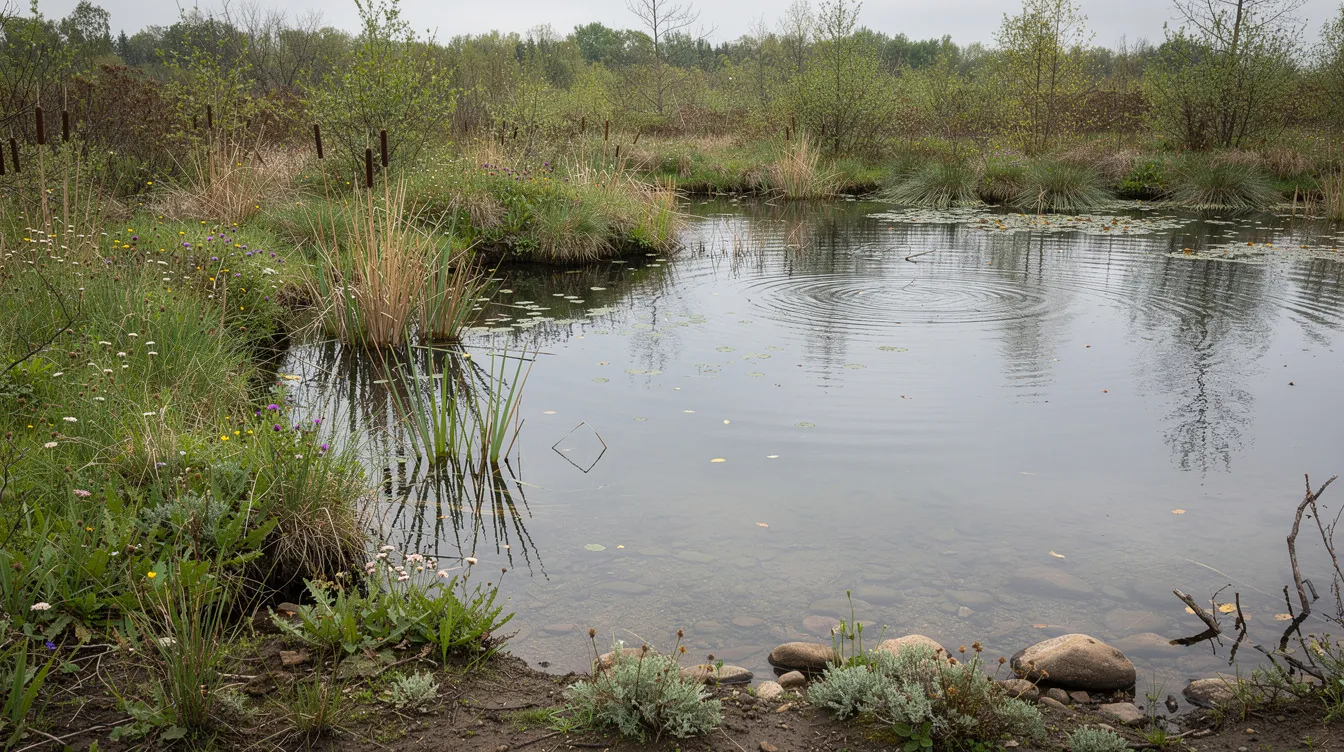
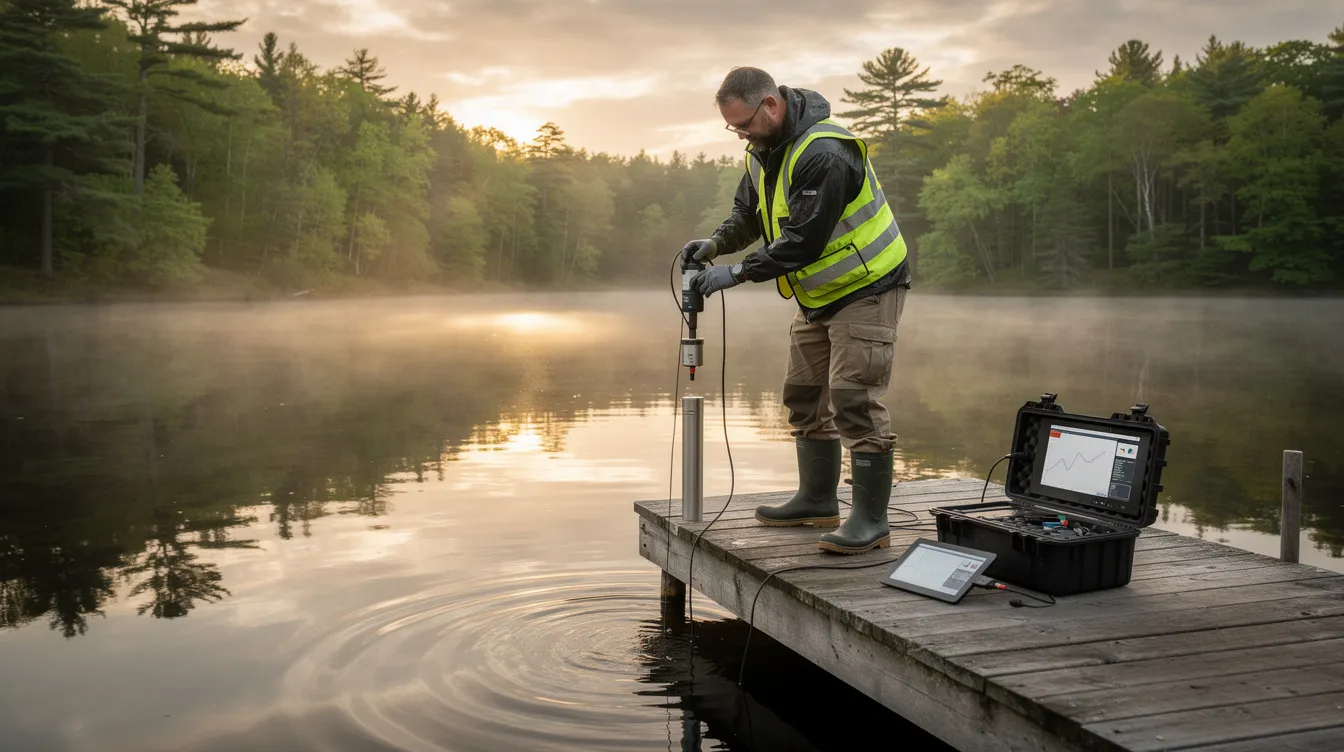
Smart water management is the use of sensors, data acquisition, cloud based dashboards, data analysis, and automated controls to monitor water quantity, water quality, and infrastructure in real time. For Ready Scout, this means practical smart water solutions for lakes, ponds, wetlands, stormwater ponds, and shoreline communities.
A 25-acre northern New Jersey lake, for example, could use continuous dissolved oxygen monitoring and automated aeration control to protect fish habitat and reduce unnecessary runtime.
Smart water solutions also bridge drinking water, stormwater, wastewater systems, and in-lake environmental management. Smart water management systems can provide a more resilient and efficient water supply system, reducing costs and improving sustainability.
Why Smart Water Management Matters in Northern New Jersey, New York, Vermont, and Ontario
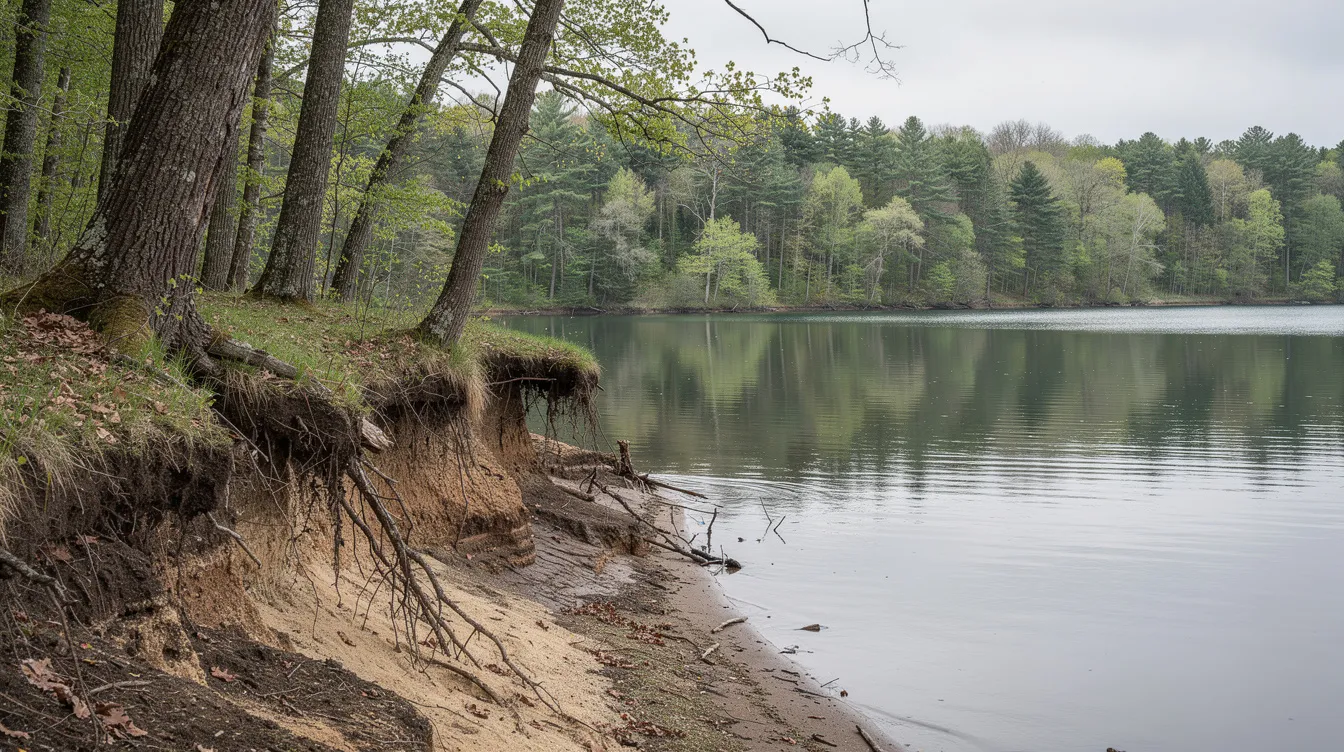
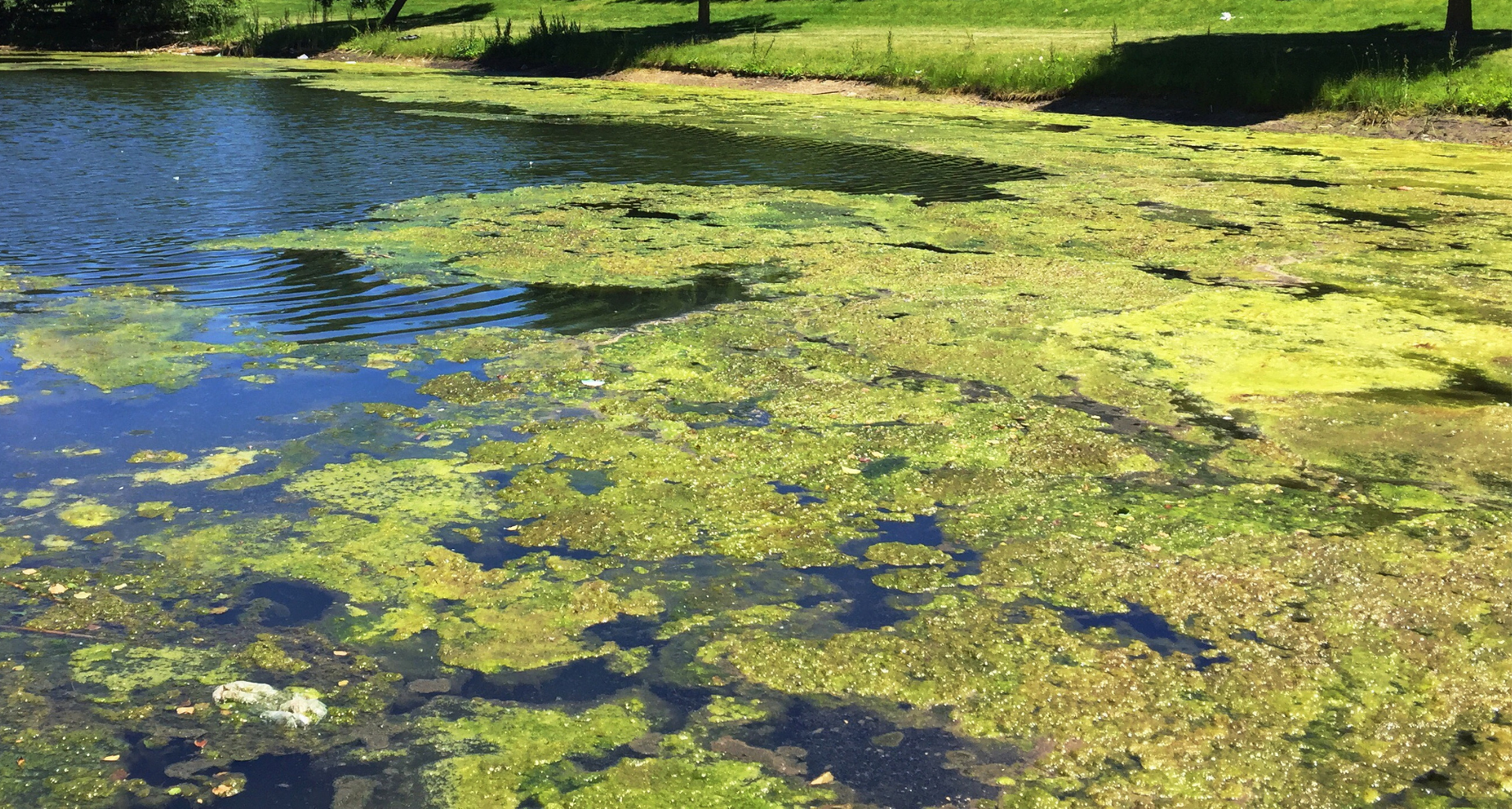
Across northern New Jersey, upstate New York, Vermont, and southern Ontario, climate change is bringing warmer summers, heavier storms, rapid snowmelt, and more unstable lake conditions. Nutrient loading from septic systems, fertilizers, and runoff fuels algae blooms; invasive species such as Eurasian watermilfoil and zebra mussels add pressure.
Ready Scout routinely helps lake associations and pond owners adapt smart technologies to local climates and regulations, from ice cover in Vermont and Ontario to longer growing seasons in New Jersey, as part of sustainable lake and pond management strategies. Smart water helps small communities face big-city issues: harmful algal bloom warnings, stormwater inflow tracking, shoreline wastewater management, and public health protection.
Core Smart Water Technologies Used in Lake and Pond Management
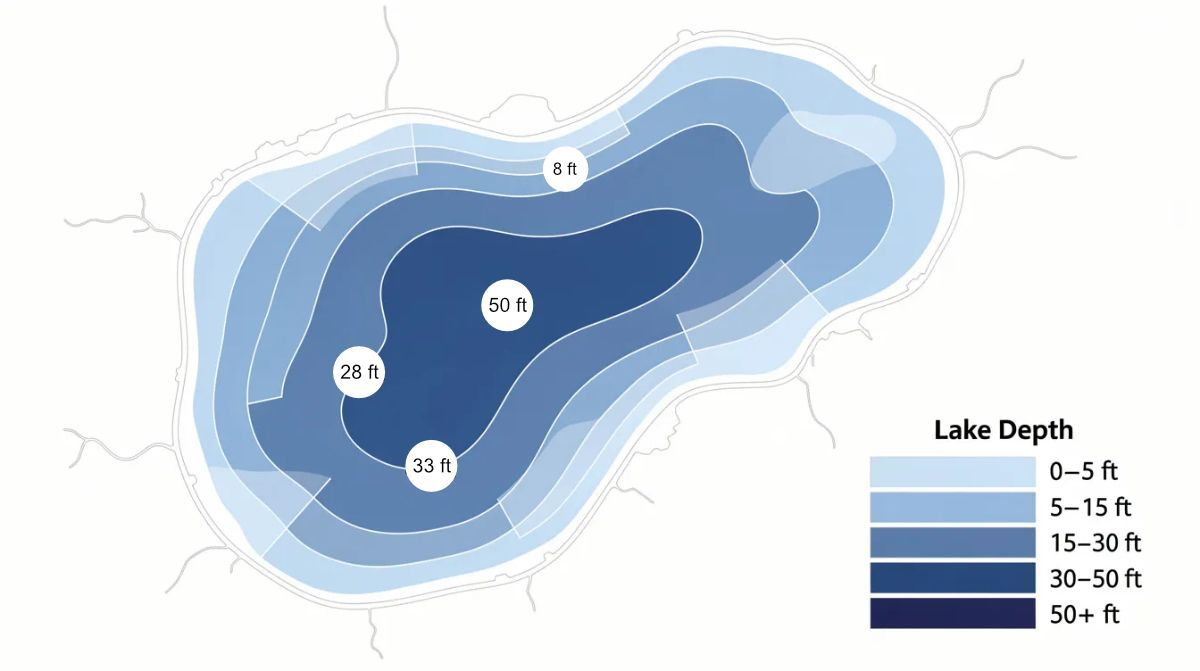
Modern smart water technology combines sensors, IoT, data analytics, supervisory control, and predictive analytics. Integrating Artificial Intelligence (AI) and the Internet of Things (IoT) into water management can transform traditional infrastructure into intelligent, adaptive systems capable of managing complex urban water needs, thereby enhancing urban resilience. Ready Scout incorporates continuous water quality monitoring and lake mapping services, level and flow sensors, weather stations, and web dashboards.
Many tools come from smart cities, water utilities, and environmental engineering, then get resized for ponds, reservoirs, wetlands, and private water systems. Real-time acoustic sensors, ultrasonic tank level indicators, and in-pipe pressure gauges monitor system performance in smart water management.
Real-Time Monitoring, Sensors, and Data Logging
Sensors record temperature, dissolved oxygen, pH, turbidity, chlorophyll-a, phycocyanin, conductivity, and water level. Ready Scout uses telemetry to move data collected from remote sites into secure dashboards for real time insights.
Alerts can warn water managers when dissolved oxygen drops below 4 mg/L, lake level rises quickly after a storm, or conductivity suggests septic influence. This supports clean water goals and wastewater management decisions.
Smart Aeration Systems and Energy Efficiency
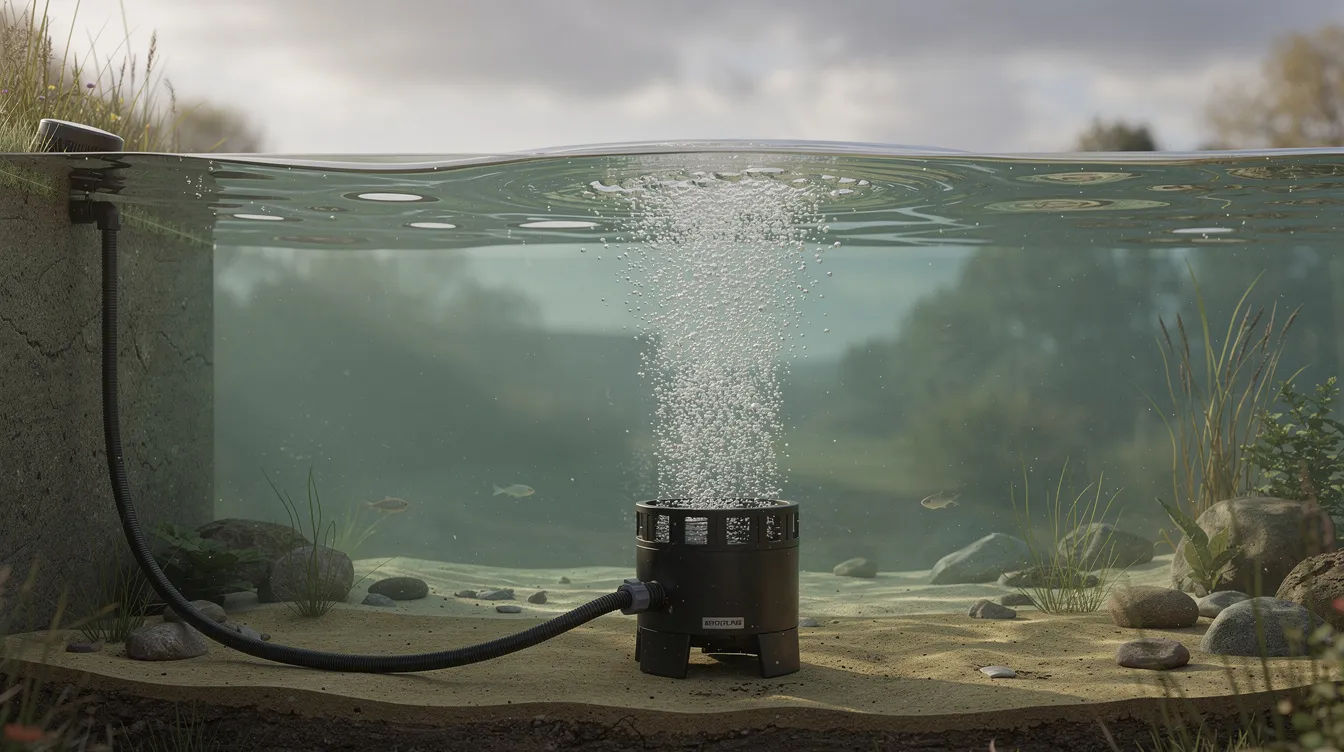
Aeration can be one of the largest operating costs in lake management. Ready Scout designs smart aeration system design and installation solutions with programmable controllers that adjust runtime using dissolved oxygen, temperature stratification, season, and time of day.
Strategies include nighttime operation, spring/fall runtime reductions, weather-based shutdowns, and preventative maintenance alerts. Smart water systems help communities lower their carbon footprint by reducing energy demand associated with water processing.
In-Lake Ecological Health, Algae, and Invasive Species
For lake users, smart solutions mean clearer water, fewer algae scums, healthier fish, and safer swimming, supported by expert plant and algae management services. Rising phycocyanin, surface temperature spikes, calm wind, and low oxygen can signal bloom risk days before peak conditions.
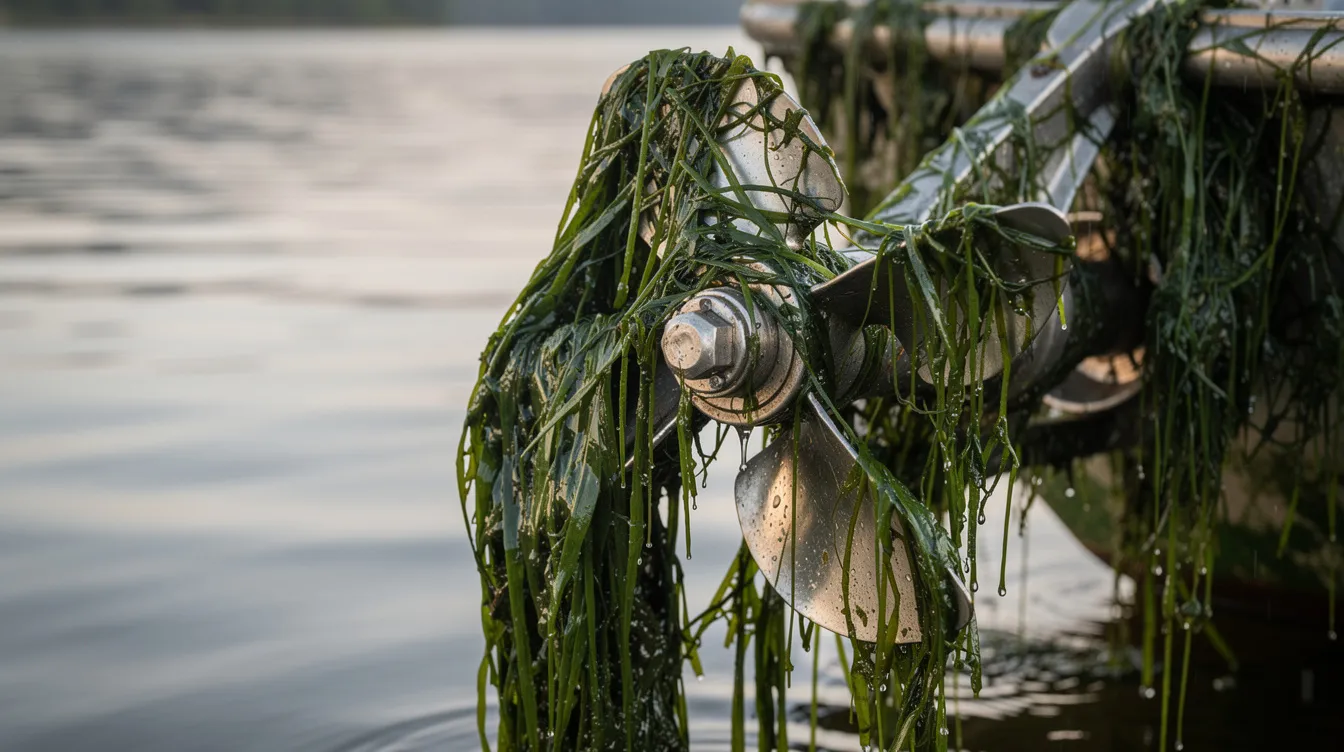
Ready Scout uses these signals to time algae control, adjust aeration, and recommend temporary recreation advisories. Mapping and monitoring also support invasive species control for Eurasian watermilfoil, curly-leaf pondweed, and other problem plants.

Benefits of Smart Water Management for Lake Communities
Smart water is not about gadgets. It is about actionable insights, operational efficiency, regulatory confidence, and cost effective management.
Key Benefits:
- Better water quality and public health protection
- Fewer fish kills, algae blooms, and flooding surprises
- Lower electricity bills and stronger asset protection
- Easier board decisions and lake community self-sufficiency consulting
- More reliable recreation and long-term property value
Ready Scout translates complex data into seasonal action plans that residents can understand and fund.
Improved Water Quality and Public Health Protection
Continuous monitoring allows early intervention before low oxygen, bacteria, or algae conditions become severe. Ready Scout aligns water quality monitoring with New Jersey, New York, Vermont, and Ontario requirements to support permits and grants.
Better visibility also supports targeted, lower-dose treatments instead of broad chemical applications.
Regulatory Compliance and Easier Reporting
Permits may involve NJ DEP freshwater wetlands rules, New York DEC aquatic pesticide permits, Vermont lake regulations, or Ontario conservation authority approvals, all areas where permitting and regulatory compliance expertise can streamline projects. Smart water management systems automatically log dissolved oxygen, temperature, and water level data.
Ready Scout consolidates records into concise reports for regulators and funding agencies.
Getting Started with Smart Water Management with Ready Scout
If your lake has algae, weed growth, unclear water quality, stormwater surges, or uncertain infrastructure, start with a focused Ready Scout assessment. Good first steps include seasonal monitoring, pilot sensors in critical coves, inlet loggers, or smart controls for existing aeration.
Ready Scout can phase solutions over time so your community does not need a major upfront overhaul, drawing on its role as a lake consulting and management firm for northern NJ and upstate NY. Contact Ready Scout, LLC to schedule a site visit or virtual meeting for northern New Jersey, upstate New York, Vermont, or southern Ontario.