Curly Leaf Pondweed Control: Practical Strategies for Lakes and Ponds
Key Takeaways
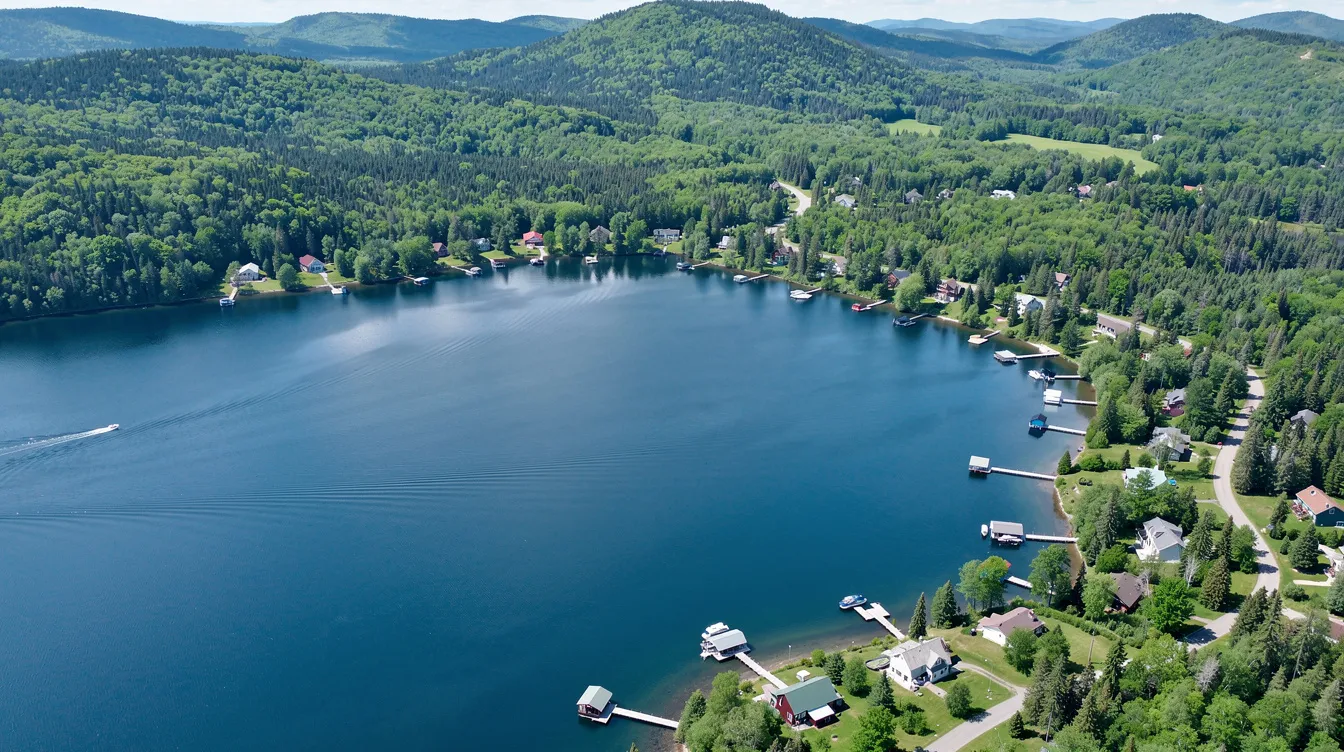
Curly leaf pondweed (potamogeton crispus) is a cold-tolerant invasive aquatic plant that forms dense surface mats and drives mid summer algae blooms in lakes and ponds across northern New Jersey, New York, Vermont, and Ontario.
- Effective curly leaf pondweed control focuses on early spring herbicide treatments before turion production, reducing nutrients that fuel growth, and combining mechanical, biological, and chemical control where appropriate.
- Uncontrolled curlyleaf pondweed crowds out native plants, degrades water quality, and interferes with boating, swimming, and fishing.
- Eradication of curly leaf pondweed is often not possible for large infestations; long term management is typically ongoing, creating a perpetual need for monitoring and adaptive treatment.
- Ready Scout, LLC provides end-to-end services-assessment, permitting, treatment, and follow-up monitoring-for controlling curly leaf pondweed as part of integrated pond management programs.
Understanding Curly Leaf Pondweed and Why It Becomes a Problem
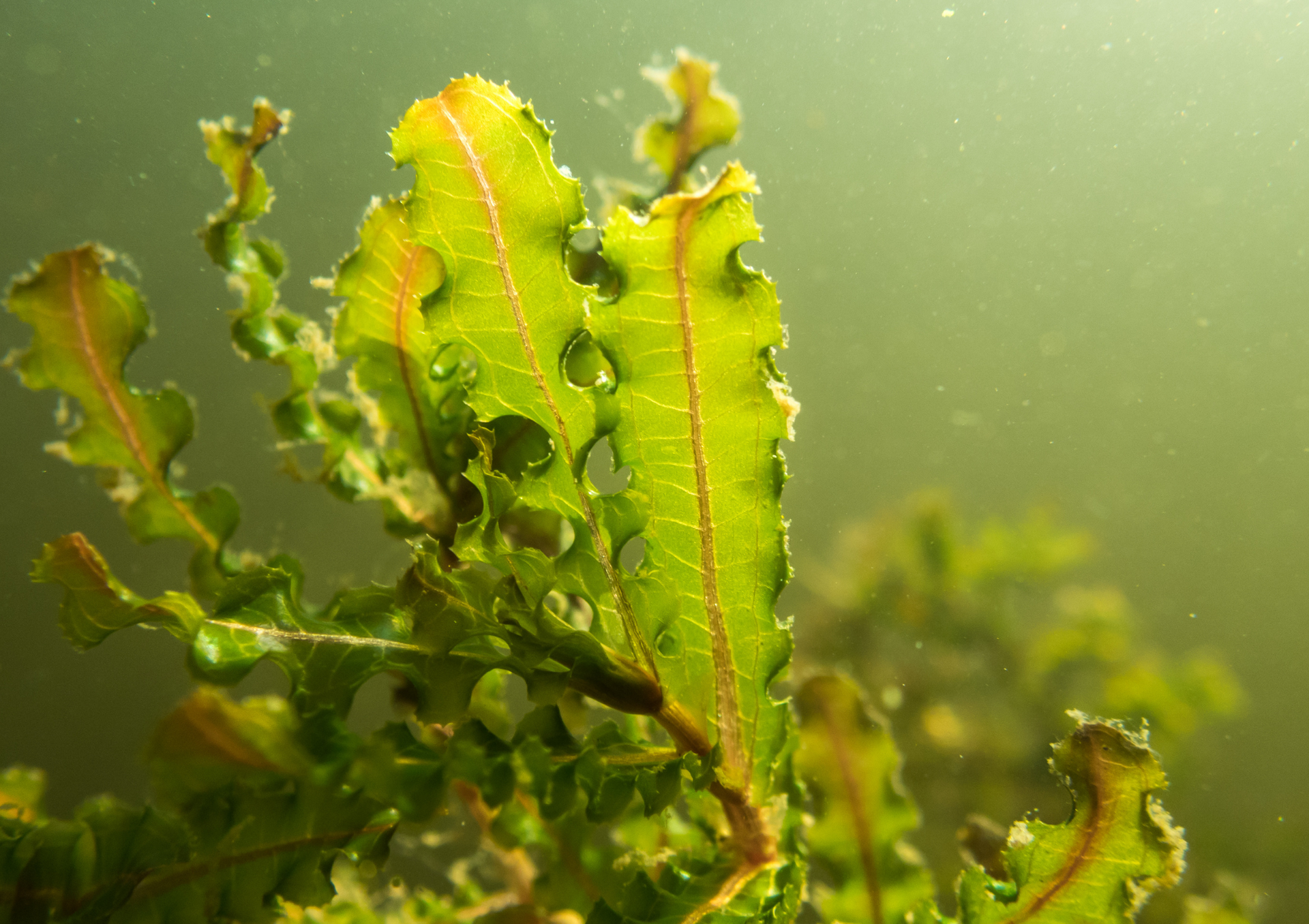
Curly leaf pondweed is a submerged invasive plant with crinkled leaves and wavy, finely toothed margins that give it a very distinctive appearance, often compared to lasagna noodles. Growing from rhizomes anchored in the pond bottom, this invasive aquatic plant reaches lengths up to one meter in nutrient-rich, alkaline waters-even in low light conditions.
Its life cycle sets it apart from most aquatic plants. Curly leaf pondweed begins growing in late fall and early spring, can grow under 50 cm of ice and snow, and reaches maximum growth by late spring. Turions-small greenish brown pinecones-like vegetative buds-drop into the sediment before the plant dies back by midsummer, leaving decomposing mats. Turions have a germination rate of 60–80%, and turions can remain dormant for several years in sediment, fueling new plants year after year.
Key ecological impacts include:
- Reducing biodiversity by displacing native aquatic plants-it blocks sunlight, limiting growth of native species and other plants that emerge later in the season
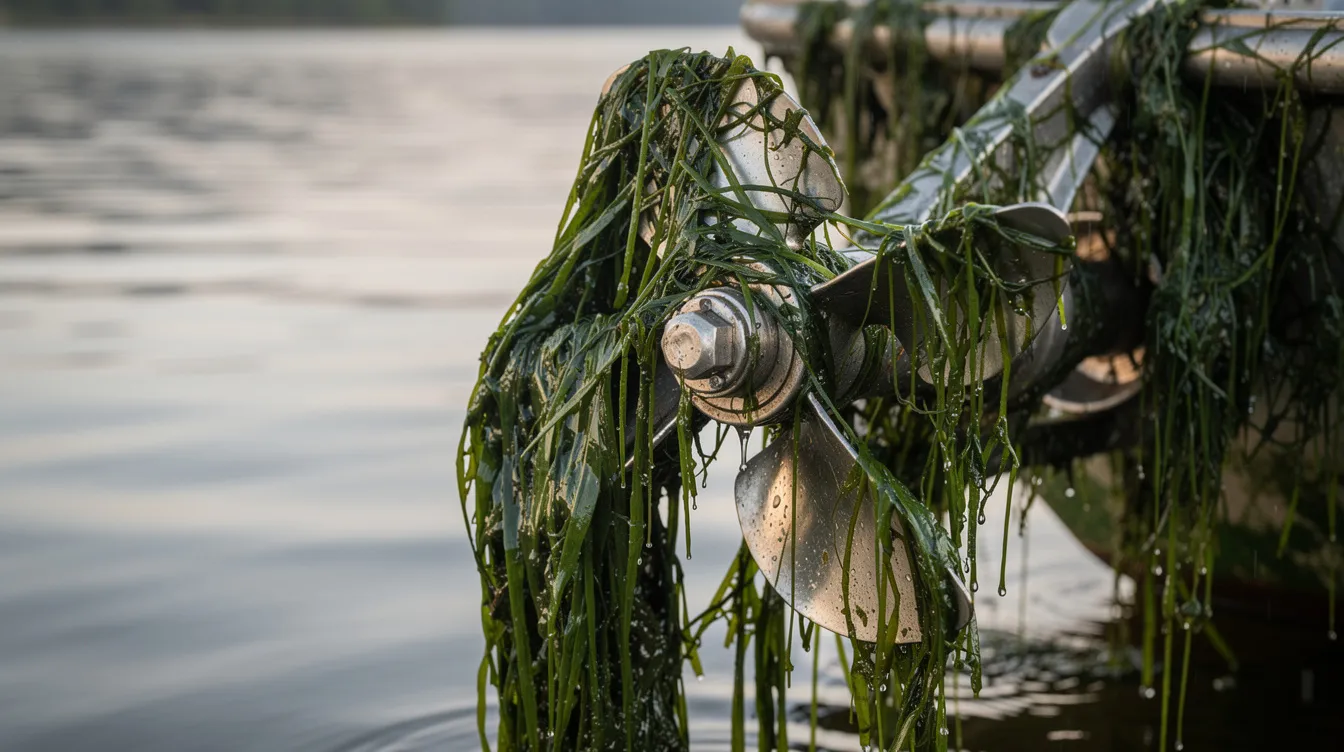
- Dense surface mats that restrict fish habitat and foul boat propellers, making recreational activities difficult
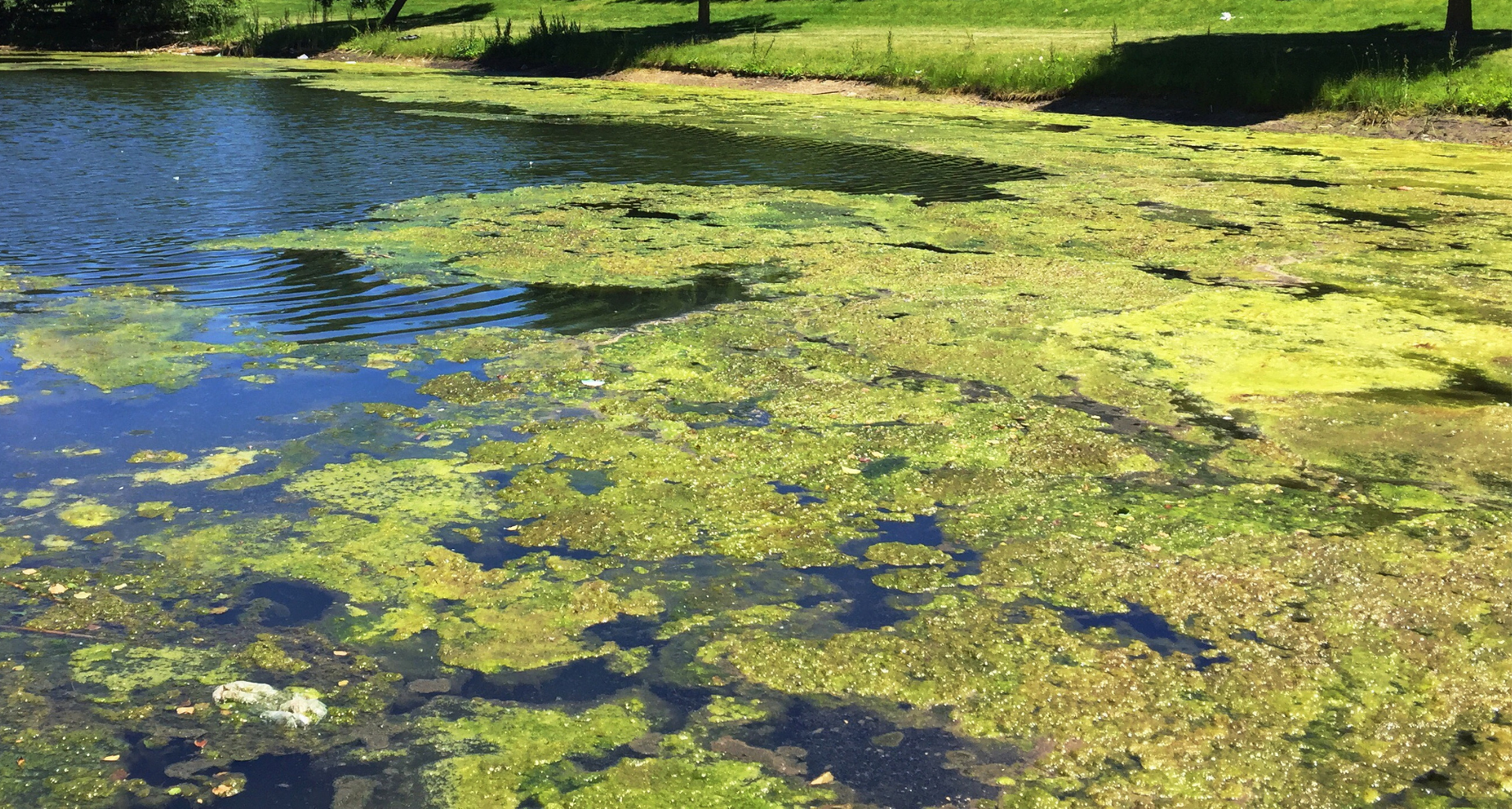
- Decomposing curly leaf pondweed can deplete oxygen levels in the water column, triggering algal blooms and potential fish kills
This competitive edge over most plants comes from its ability to photosynthesize in cold water temperatures while other species remain dormant. The plant thrives across Ready Scout's service region, where lake communities regularly experience these impacts.
Prevention and Early Detection: First Line of Defense in Pond Management
Early intervention is crucial for effective management of curly leaf pondweed. Controlling a small patch costs a fraction of managing a lake-wide infestation.
Prevention practices to adopt immediately:
- Cleaning, draining, and drying boats, trailers, anchors, and fishing gear before moving between water bodies is critical to prevent the spread of curly leaf pondweed
- Drain live wells and bilges away from surface waters
- Never dump aquarium or water-garden aquatic plants into ponds or streams
Even small plant fragments caught on a trailer can introduce leaf pondweed to a new water body. Turions hitchhike in mud on anchors and equipment, then remain viable in sediment for years.
Routine monitoring-one to two visual surveys each spring when curly pondweed is most apparent-helps catch problems early. Simple shoreline walkthroughs and rake toss surveys work well. Maintaining a diverse community of native aquatic plants also helps resist invasion.
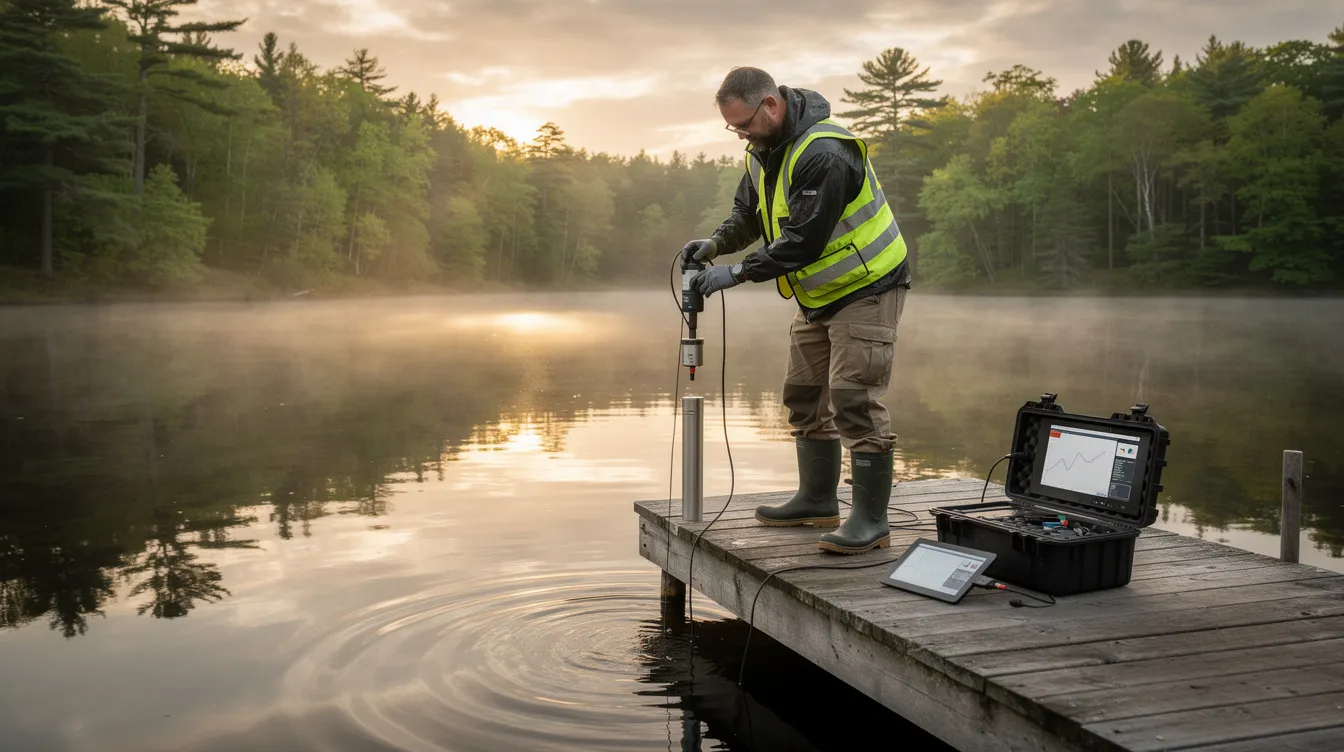
Ready Scout sets up annual water quality monitoring and aquatic plant surveys, creates baseline maps, and trains lake associations in early detection and control of invasive pond weeds specific to their pond or lake.
Mechanical and Physical Control Options
Mechanical and physical methods remove or suppress biomass directly, but require careful timing and execution to avoid spreading seeds and plant fragments.
- Hand pulling and raking works well for small ponds and shoreline areas. Mechanical removal should occur before seeds appear above the water surface. Pull plants as close to the sediment as possible and ensure complete removal of plant fragments to prevent regrowth. Physical control can effectively manage small ponds, though the work is labor-intensive.
- Mechanical harvesting provides short-term relief for boating lanes and beaches. Mechanical harvesting reduces recreational issues but does not eradicate curly leaf pondweed, since turions remain dormant in the lake bottom. Repeated cuts per season are necessary, and loose fragments must be collected.
- Bottom barriers (benthic mats) placed over the pond bottom suppress growth in high-priority zones like docks and swimming areas. Gas-permeable fabrics require anchoring, seasonal maintenance, and often permitting.
- Water-level drawdown, where feasible, exposes sediment to winter freezing and desiccation, reducing viable turions and rhizomes. This approach requires case-by-case evaluation for dam safety and regulatory approval.
Mechanical removal can reduce biomass but is labor-intensive and rarely depletes the turion bank alone. Ready Scout evaluates each site to determine where mechanical removal makes sense and integrates these actions into a broader aquatic weed control and management plan.
Chemical and Biological Control of Curly Leaf Pondweed
When curly leaf pondweed dominates a water body, herbicide control is often needed. Controlling curly-leaf pondweed requires early-season herbicide applications combined with physical removal for best results.
Herbicide strategies:
- Contact herbicides like endothall and diquat are effective herbicides for curly leaf pondweed. Selective herbicides are best applied in early spring at water temperatures around 50–60°F, before turion production begins. A granular herbicide formulation can deliver product directly to target beds.
- A systemic herbicide such as fluridone acts more slowly, requires sustained concentrations, and can affect non-target species if not carefully managed. Most herbicides require professional dosing calculations and permitting. Chemical control includes using herbicides like diquat and endothall at low dose rates timed to suppress turion production. Research shows these early season treatments can reduce curly leaf frequency.
Cautions: Treating large areas too late-when the plant dies back naturally-risks dissolved oxygen crashes from decaying plants and can trigger algae blooms. Post-treatment monitoring of oxygen levels is essential to protect fish.
Biological options are limited. Grass carp may consume curly leaf pondweed but can also eat native plants, reducing biodiversity if stocked at high densities.
Ready Scout provides expert plant and algae management services including herbicide program design, permit acquisition, application at optimal timing, and follow-up plant and water quality surveys to track long-term control.
Working with Ready Scout and Additional Resources
Curly leaf pondweed control almost always benefits from professional lake consulting and management. A typical Ready Scout project begins with a site visit and plant survey, mapping curly leaf pondweed beds, sampling water quality, and discussing goals-whether for aquatic recreation, fisheries, or aesthetics. The result is a written management plan with clear timelines.
Ready Scout assists with all necessary permits for herbicide use, drawdowns, and aeration installations across northern New Jersey, upstate New York, Vermont, and southern Ontario as part of its sustainable lake management services. For additional resources, consult your state extension service publications on curlyleaf pondweed and regional invasive species councils for guidance on aquatic herbicide regulations.
Contact Ready Scout today to schedule a lake or pond assessment, request a curly leaf pondweed control plan, or set up an ongoing consulting relationship for your lake association or private water body.
Frequently Asked Questions About Controlling Curly Leaf Pondweed
How long does it take to see results after treating curly leaf pondweed?
Contact herbicides and mechanical removal usually show visible reduction within days to weeks. Systemic herbicides and integrated watershed actions may take a full season or multiple times through repeated treatments to deliver maximum benefit.
Can curly leaf pondweed be completely eradicated from a lake?
Total eradication is rare because turions remain dormant in sediment for years-some studies suggest over five years. The realistic goal is long-term suppression to nuisance levels that do not interfere with recreation or native plant recovery through integrated lake management strategies and repeated early fall and early summer monitoring cycles.
Will controlling curly leaf pondweed automatically stop algae blooms?
Not on its own. While reducing the mid summer die-back of curly leaf lessens one source of nutrients, algae blooms are also driven by external nutrient loading from septic systems, fertilizer runoff, and stormwater. Watershed-focused lake management articles and resources highlight how watershed management and possible algae treatments are often needed alongside invasive plant control.
Is it safe to swim or fish after herbicide treatments?
All registered aquatic herbicides carry specific label restrictions for swimming, irrigation, and fishing. Ready Scout schedules treatments and communicates waiting periods so lake users can plan activities safely around any temporary closures, supporting lake community self-sufficiency planning.
What does a Ready Scout consultation typically cost?
Costs vary based on lake size, depth, infestation density, and chosen methods. An initial assessment is usually a modest fraction of a full-season management program and often saves money by preventing ineffective or poorly timed treatments. Contact Ready Scout to request a custom quote for your water body.
Smart Clean Water Management: How Ready Scout Uses Smart Water Technology to Protect Lakes and Ponds