Lake Management Services in Vermont
Comprehensive Lake Management Services in Vermont
If your Vermont lake or pond is battling persistent algae blooms, thick mats of Eurasian watermilfoil, or declining water clarity, you need more than a one-time treatment - you need a management partner who understands Vermont's regulations, northern climate, and the science behind lasting results. Ready Scout provides professional lake management services across Vermont, delivering clean, swimmable, fish-friendly waterbodies through water quality monitoring, invasive species control, aeration, permitting support, and long-term management planning.
Call Ready Scout today for a Vermont lake assessment or request a consultation to start building your lake management plan.
Why Vermont Trusts Ready Scout for Lake Management
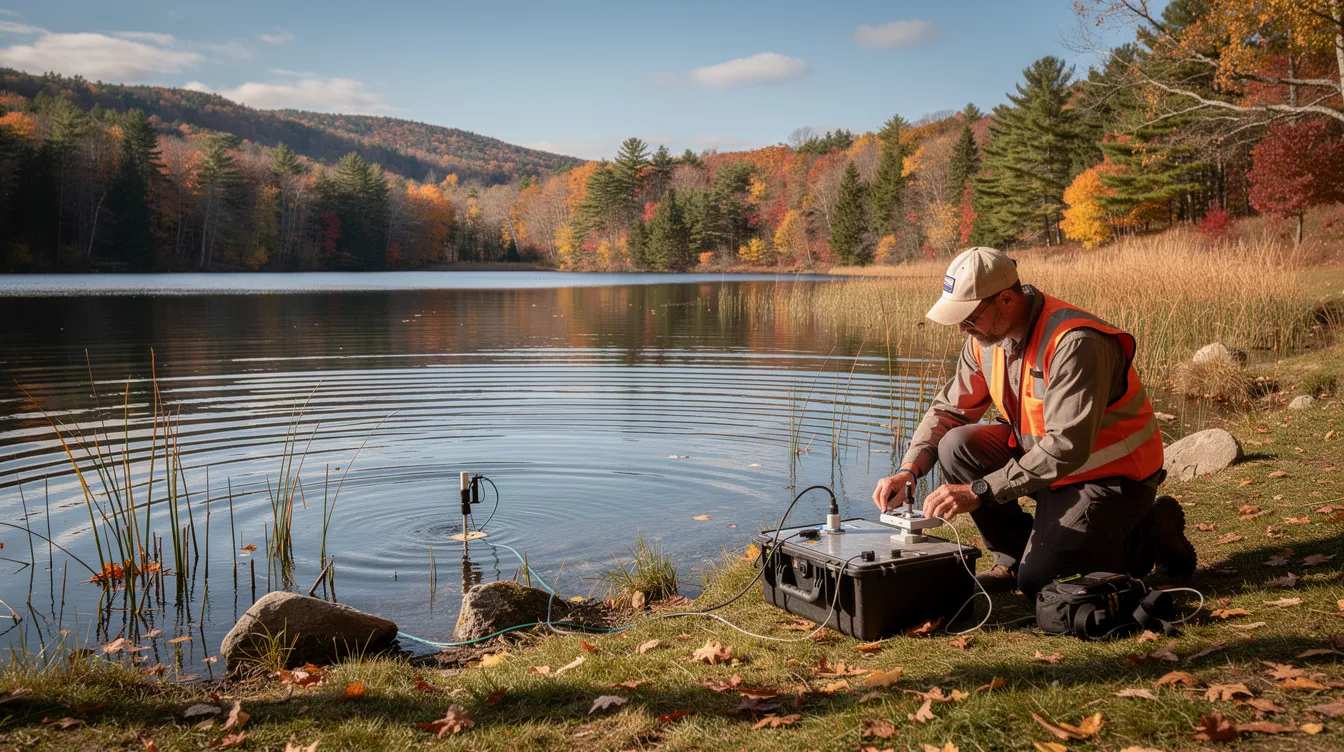
Ready Scout brings specialized expertise in Vermont lake regulations and the unique dynamics of managing lakes and ponds in a northern, ice-dominant climate.
- Ready Scout has over 25 years of invasive species control experience and is led by a Certified Lake Manager with deep field knowledge of Northeast waterbodies.
- Deep working experience with Vermont Department of Environmental Conservation (DEC) permitting, including Aquatic Nuisance Control permits, Shoreland Protection compliance, and wetland rules.
- Proven track record managing lakes and ponds across Vermont, northern New York, New Jersey, and Ontario - adapting science-based approaches to each location.
- Ready Scout navigates local, state, and federal regulatory issues so clients stay in compliance while achieving their management goals.
- Focus on ongoing monitoring and limnological assessment to reduce chemical use over time - effective lake management can reduce chemical use by 20% to 40% through data-driven adjustments.
- Unlike generic "spray-and-go" providers, Ready Scout prioritizes long-term ecosystem health, environmental conservation, and regulatory compliance.
Why Vermont Lake Communities Choose Ready Scout
Vermont lake associations, municipalities, and private pond owners choose Ready Scout because our work directly protects property values, recreational enjoyment, safe swimming, and regulatory peace of mind.
- Recreation and ecology in balance: Ready Scout designs programs that restore boating, swimming, and fisheries management outcomes while protecting native habitat and biodiversity.
- Lake association and municipal support: We facilitate stakeholder meetings, deliver accessible presentations, and build consensus around management practices - because community engagement is crucial for effective lake management strategies.
- Vermont-specific invasive species expertise: Hands-on experience managing Eurasian watermilfoil, curly-leaf pondweed, water chestnut, japanese knotweed, phragmites, and other aquatic invasive plant species common in Vermont waters.
- Climate-adapted planning: Customized, site-specific plans designed for northern, high-ice, high-runoff climates - accounting for Vermont's long winters, spring turnover, and intense storm events.
- Self-sufficiency training: Ready Scout helps communities become more self-sufficient through volunteer education on monitoring, plant identification, basic sampling, and communication with local officials.
Vermont Lake & Pond Conditions: What Makes Management Unique Here
Vermont manages over 800 lakes and ponds, ranging from deep glacial kettle lakes like Lake Willoughby to shallow warm-water ponds, impoundments, and small private ponds. Each body of water presents distinct challenges shaped by watershed characteristics, climate, and land use. Vermont lakes are dynamic systems requiring careful management practices tailored to their specific conditions.
- Long winters and ice cover delay spring mixing. Upon ice-out, lakes undergo turnover that redistributes nutrients throughout the water column. Internal phosphorus loading during periods of low oxygen levels - both under winter ice and during summer stratification - can sustain or worsen algae blooms even when external nutrient inputs are controlled.
- Forested watersheds dominate many Vermont lake basins, but increasing camp development, year-round shoreline residences, and road networks intensify runoff and nutrient loading. Legacy land use from past road construction and shoreline alteration continues to affect water quality.
- Common Vermont stressors include shoreline erosion, camp road and driveway runoff, phosphorus loading from lawns and developed shorelines, and substantial stormwater runoff that can lead to sedimentation and habitat degradation. Nutrient runoff fuels harmful algal blooms and accelerates eutrophication in vulnerable waterbodies.
- Temperature and stratification patterns unique to northern lakes influence dissolved oxygen, fish habitat, and the period during which internal nutrient release can occur - all factors that shape when and how management interventions must be timed.
Common Lake Problems We Solve in Vermont
These are the real-world issues Vermont lake associations, camps, municipalities, and landowners call Ready Scout about:
- Persistent algae blooms: Filamentous algae and pea-soup cyanobacteria blooms in late summer on shallow ponds and warm bays. Excess nutrients drive harmful algal blooms in water bodies, reducing recreation and posing health risks.
- Dense invasive plant mats: Eurasian watermilfoil, curly-leaf pondweed, and water chestnut choking boat launches, docks, and swimming areas. Invasive species like Eurasian watermilfoil threaten native ecosystems - and invasive species are one of ten major stressors on Vermont's waters.
- Low dissolved oxygen and fish stress: Low oxygen levels in deeper coves and stratified basins after ice-out and during late-summer stratification, threatening trout, salmon, and other cold-water fish species.
- Mucky, weedy swimming areas: Sediment accumulation and weed overgrowth at camps and town beaches, especially in Central and Southern Vermont ponds, making beach access unusable.
- Stormwater sediment plumes: Camp roads, driveways, and disturbed shorelines sending sediment into nearshore water after heavy rains, clouding clarity and delivering phosphorus.
- Unclear compliance paths: Lake owners uncertain how to navigate permits for herbicides, algaecides, or aeration systems under Vermont DEC rules - leading to missed treatment windows or regulatory risk.
- Community conflict: Disagreement within lake communities over how much control is appropriate versus maintaining natural appearance, creating obstacles to coordinated action.
Our Vermont Lake Management Services
Ready Scout offers end-to-end lake and pond services: diagnostics, planning, permitting, implementation, and ongoing monitoring. All services are tailored to Vermont regulations, climate, and local stakeholder needs.
Water Quality Monitoring & Lake Mapping
Vermont DEC and lake associations rely on data-driven decisions. Ready Scout provides detailed water quality monitoring and lake mapping to support that process.
- Seasonal water quality sampling for total phosphorus, nitrogen, chlorophyll-a, clarity (Secchi disk), temperature, pH, and dissolved oxygen. Regular monitoring includes temperature, pH, and nutrient levels to track trends and detect problems early.
- Vertical profiles in stratified lakes with special attention to cold-water fisheries where applicable.
- Bathymetric and aquatic plant mapping for treatment planning and long-term tracking of plant communities.
- Monitoring results used to tune strategies - water quality testing can reduce chemical use by 20% to 40% over time. Regular monitoring of nutrient levels prevents harmful algal blooms before they occur.
Plant & Algae Management (Including Invasive Species Control)
Vermont has strict standards for aquatic herbicide and algaecide use. Ready Scout works within those rules to protect lake health and restore usability.
- Targeted plant and algae management using aquatic herbicides, algaecides, and nutrient inactivation methods. Chemical treatments can reduce algae growth effectively when applied under proper permit conditions.
- Focus on managing Eurasian watermilfoil, curly-leaf pondweed, water chestnut, and other aquatic invasive species common across Vermont.
- Integration of hand-harvesting, suction harvesting, or mechanical harvesting where appropriate alongside chemical methods. An ANC permit is not required for hand-pulling aquatic nuisances, making this an accessible first step for many communities.
- Emphasis on protecting native plant communities and non-target wildlife while restoring swimming, boating, and navigation.
Aeration System Design & Installation for Vermont Lakes and Ponds
Diffused aeration is one of the most effective long-term tools for improving water quality in northern climate waterbodies.
- Site evaluation covering depth contours, volume, power availability, ice cover considerations, and noise sensitivity for camps and residences.
- Design and installation of submersed diffuser systems that circulate and oxygenate water columns, reducing stratification and supporting fish health.
- Aeration systems improve water quality and reduce algae growth - and aeration supports fish health and aquatic organism habitats by maintaining healthy oxygen levels.
- All designs account for Vermont winters: ice load, drawdowns, and overwintering equipment considerations.
Wetland & Shoreland Management
Shoreline and wetland health directly determine nutrient and sediment flow into Vermont's lakes, especially in steep, storm-prone watersheds.
- Invasive wetland plant control targeting phragmites, purple loosestrife, and japanese knotweed along lake edges and inflow areas.
- Guidance on vegetated buffers, no-mow zones, and Lake Wise-style best management practices. The Lake Wise Program provides technical assistance for lake-friendly practices. Improving shoreline buffers can stabilize banks and filter runoff.
- Technical assistance with shoreline stabilization that meets Vermont Shoreland Protection rules, favoring bioengineering over hard armoring.
Lake Community Self-Sufficiency Consulting
Many Vermont lakes are managed by volunteer associations. Ready Scout helps them organize, plan, and act effectively through custom consulting services.
- Facilitation of stakeholder meetings to build consensus around management goals, acceptable interventions, and long-term stewardship.
- Development of multi-year lake management plans that align with Vermont DEC programs and grant opportunities, including the state's Clean Water Initiative Program.
- Training for volunteers on monitoring, plant identification, basic sampling, and education about communicating with local officials. FOVLAP promotes environmental quality standards since 1972 and represents a valuable partner in these efforts - the organization was founded in 1972 to promote water quality across Vermont's lakes.
Permitting & Regulatory Compliance in Vermont
Vermont has some of the most protective lake and pond regulations in the region, and missteps can delay or halt projects. Ready Scout assists clients through the full permitting process.
- Aquatic Nuisance Control (ANC) permits are issued under 10 V.S.A. § 1455 and regulate pesticide use in Vermont waters. Control projects targeting invasive species are more likely to be permitted. Aquatic Nuisance Control permits also regulate invasive species management activities.
- Coordination with Vermont DEC Lakes and Ponds Program for whole-lake or spot treatments, aeration installations, and other management structures. The Vermont Department of Environmental Conservation coordinates lake management statewide. Lake management efforts require collaboration between municipalities and state agencies.
- The Shoreland Protection Act regulates development within 250 feet of lakes, affecting shoreline work, buffers, and erosion control projects.
- Additional requirements may apply, including wetlands rules, dam safety for impoundments, municipal bylaws, and Aquatic Invasive Species regulations that prohibit transporting invasive species between waterbodies.
- Ready Scout prepares technical justifications, treatment plans, and monitoring frameworks that satisfy regulators - and a webinar on Lakes and Ponds permitting is scheduled for October 11, 2026, which may be a useful resource for lake associations planning ahead.
Effective regulation balances ecological preservation with recreational access. Lake management blends regulations with stewardship and municipal programs to achieve lasting results.
Vermont Areas We Serve
Ready Scout serves lakes, ponds, and wetlands throughout much of Vermont, with strong focus on northern and central regions.
Counties: Chittenden, Washington, Lamoille, Caledonia, Orleans, Essex, Franklin, Addison, Rutland, Windsor, and Orange.
Notable lake regions and communities:
- Lake Champlain shoreline communities - Burlington, Colchester, Shelburne, South Hero
- Northeast Kingdom lakes - Lake Willoughby, Caspian Lake, Seymour Lake, Echo Lake
- Central Vermont ponds and reservoirs near Montpelier, Waterbury, and Mad River Valley
- Popular vacation and camp lakes - Lake Morey area, Fairlee, Barnard, and surrounding towns
- Ready Scout also works with private pond owners, camps, and municipalities throughout these regions.
Local Vermont Project Snapshot
A northern Vermont lake association contacted Ready Scout after many years of recurring late-summer algae blooms and thick milfoil beds around docks and boat launches. Swimmers and boaters were increasingly frustrated, and the association was uncertain about how to comply with Vermont DEC requirements while moving forward with control efforts.
Ready Scout began with comprehensive water quality monitoring, aquatic plant mapping, and facilitated stakeholder meetings to align the community around shared goals. Based on the data, we developed an ANC-permitted treatment plan combining targeted invasive species control with a phased diffused aeration installation in key coves.
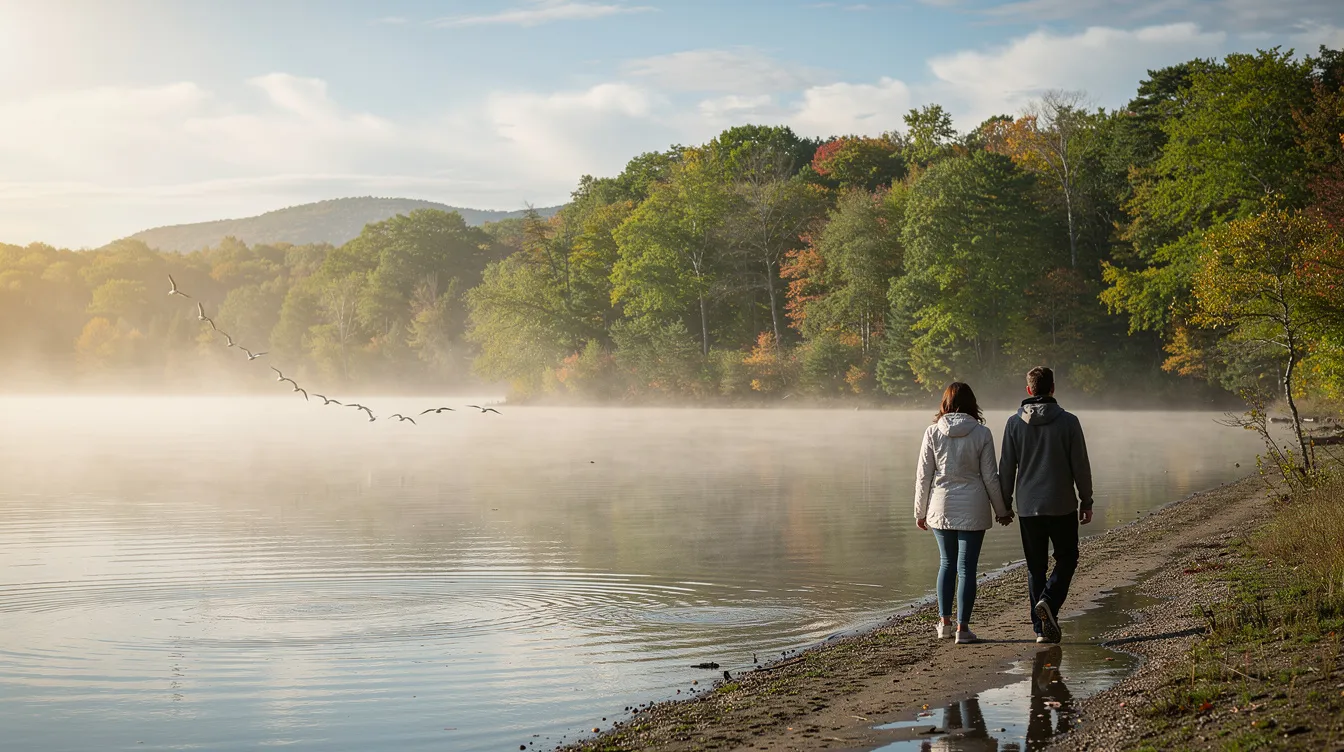
Over the following seasons, the project included targeted herbicide applications for milfoil, shoreline runoff improvements guided by Lake Wise-type best management practices, and aeration to address low oxygen levels that were fueling internal nutrient loading.
After two to three seasons, the lake saw improved clarity, reduced late-summer algae, restored boating and swimming access, and better alignment with Vermont regulatory expectations. Inspections and decontamination of watercraft at the public launch helped prevent the spread of invasive species to neighboring waters. Public access greeter programs further supported these efforts, representing the kind of community-driven approach that sustains results.
How Our Vermont Lake Management Process Works
Lake management projects involve multiple steps, but Ready Scout keeps the process clear for Vermont associations, towns, and landowners.
Step 1: Site Review, Data Gathering & Goals
Initial consultation (phone or online) to review your goals and request existing data - DEC monitoring results, past reports, historical issues. This is followed by an onsite visit for visual inspection, basic field measurements, and conversation with stakeholders about priorities: swimming, boating, fisheries, aesthetics. We discuss likely permitting needs and seasonal timing from ice-out through fall turnover to avoid missed windows.
Step 2: Vermont-Compliant Lake Management Plan
Ready Scout prepares a written management plan including monitoring schedules, control methods, and a project timeline tailored to Vermont regulatory frameworks. We collaborate with clients to finalize scope and budget - including phasing to match association resources or grant cycles. Ready Scout compiles permit applications (e.g., ANC permits) and coordinates with DEC reviewers to maintain momentum.
Step 3: Implementation, Monitoring & Adjustment
Treatments, aeration installations, or shoreline projects are executed during appropriate Vermont weather and permit windows. Follow-up monitoring measures results - water clarity, plant coverage, algae levels - and reports are delivered to the client. Annual review meetings refine strategies for subsequent seasons and continue reducing long-term risk and costs. Voluntary conservation programs aim to improve lake water quality in combination with these structured management efforts.
Get Started with Lake Management in Vermont
Ready Scout helps Vermont lake and pond owners move from recurring algae and weed problems to clear, enjoyable, and compliant waterbodies. Whether you represent a lake association, municipality, or own a private pond, we're ready to assist with a no-obligation discussion about your water, your goals, and a realistic path forward.
Contact Ready Scout today to request a lake evaluation for your Vermont waterbody.
What Our Vermont Clients Value
These themes represent what Ready Scout consistently hears from regional clients:
- Clients appreciate clear explanation of Vermont permitting and realistic timelines for herbicide and aeration projects - no surprises.
- Lake associations value Ready Scout's ability to present technical information in accessible language at annual meetings, creating buy-in across diverse stakeholders.
- Municipalities and camps note improved swimmer safety and aesthetics at public and private beaches after implementing a structured management program.
- Private pond owners highlight transparent recommendations - not overselling treatments - and a focus on long-term health over short-term fixes.
- Communities recognize the effort Ready Scout puts into helping them achieve thriving, healthy waterbodies that support both recreation and wildlife for years ahead.
Frequently Asked Questions About Lake Management in Vermont
These FAQs address common concerns that delay lake and pond projects in Vermont.
How much does professional lake management cost in Vermont?
Pricing depends on lake size, depth, access, severity of problems, and regulatory requirements. A small private pond monitoring program costs significantly less than a full-lake invasive plant management effort with permitting and multi-year follow-up. Ready Scout provides detailed proposals after an initial site review, and multi-year plans can spread costs to align with association budgets or grant cycles.
How long does it take to get Vermont permits for herbicide or algae treatments?
Aquatic Nuisance Control permits must be reviewed by Vermont DEC and can take several weeks to a few months depending on complexity and timing. Contacting Ready Scout before ice-out or early in the season improves the chance of aligning permits with desired treatment windows. Emergency or mid-season applications are more difficult and may limit available options.
Will treatments harm fish, wildlife, or people using the water?
Vermont DEC-approved products and methods are evaluated for safety and applied under strict label and permit conditions. There may be short-term use restrictions - such as limits on irrigation or swimming - after treatment, depending on the product and dose. These are clearly communicated to all residents. Ready Scout focuses on targeted, data-driven applications that protect native ecosystems while solving nuisance issues.
Can we manage our Vermont lake without chemicals?
Non-chemical tools - aeration, watershed and shoreline BMPs, hand-pulling, suction harvesting, drawdowns, and education campaigns - play important roles in any integrated program. However, for dense, well-established invasive species or high internal phosphorus loading, non-chemical methods alone are often not sufficient. Ready Scout helps each community find the right combination of tools for their goals and values. Aquatic invasive species disrupt local ecosystems and reduce biodiversity, so addressing them effectively often requires a multi-method approach.
When should we start planning for next season's lake work?
Begin planning in late fall or winter so that assessments, monitoring, and permit applications can be in place well before ice-out. Busy Vermont lakes and ponds often schedule work months in advance to secure desired treatment windows. Contact Ready Scout early for larger projects or for lakes considering whole-lake invasive management to maintain the best options.