Effective Methods to Reduce Algae
That thick green scum spreading across your pond isn’t just an eyesore—it’s a warning sign. Effective pond algae control requires understanding what’s driving the problem and applying the right combination of treatments and prevention strategies. This guide walks you through identification, treatment options, and long-term management approaches that keep water bodies healthy across seasons.
Key Takeaways
- Effective pond algae control requires combining immediate treatments with long-term prevention strategies that address root causes like excess nutrients and sunlight.
- Ready Scout, LLC designs integrated lake and pond consulting and management services for ponds and water gardens across northern New Jersey, upstate New York, Vermont, and southern Ontario.
- Different types of pond algae—planktonic, filamentous string algae, and macroalgae—require different control tools such as granular algaecide, copper sulfate alternatives, and beneficial bacteria.
- Preventing algae blooms focuses on reducing excess nutrients, improving circulation and aeration, and maintaining balanced aquatic plant communities.
- Professional monitoring and permitting support from Ready Scout helps ensure algae treatments remain effective, legal, and safe for fish, wildlife, and downstream waters.
Understanding Excessive Algae Growth and Pond Algae Problems
Green water, floating mats, and slippery rocks aren’t cosmetic issues—they’re symptoms of deeper water quality imbalances. Managing algae blooms in ponds is crucial to prevent water imbalances and protect fish populations from harmful conditions. When algae dominate, they deplete dissolved oxygen overnight, release unpleasant odors, and can trigger regulatory concerns in lakes and potable water reservoirs.
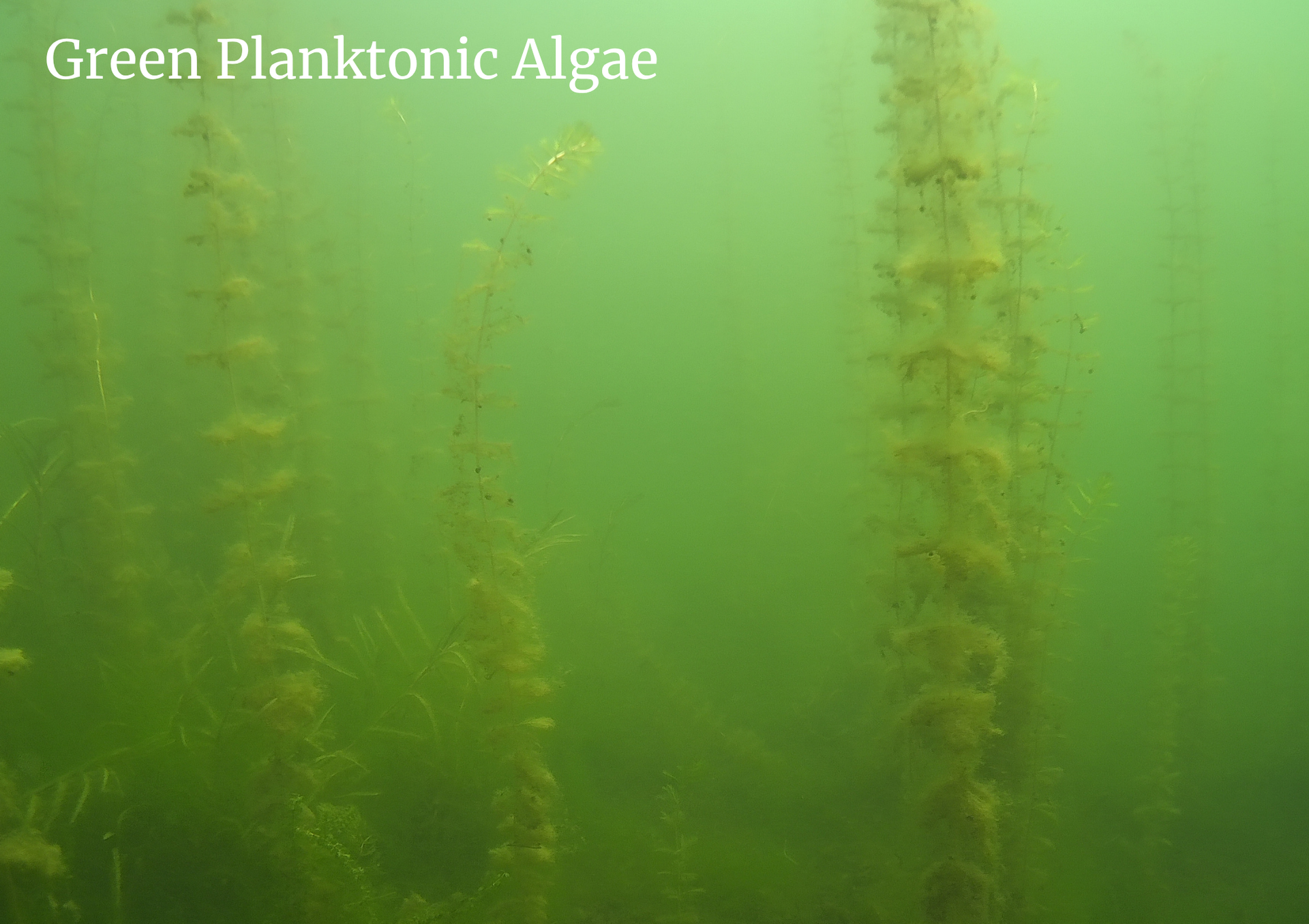
There are different types of algae found in ponds, including filamentous, planktonic, and macroalgae. Planktonic algae cause that uniform green water appearance. Filamentous algae form surface mats and cling to rocks. Macroalgae like Chara mimic rooted aquatic plants but are actually algae species that thrive in hard water conditions.
Algae blooms form when sunlight, warm temperatures (typically above 60–65°F), and excess nutrients combine. Nitrogen and phosphorus from lawn fertilizers, livestock waste, septic systems, and stormwater runoff feed explosive growth. In Ready Scout’s service area, northern New Jersey and upstate New York see spring and early summer blooms driven by snowmelt, while Vermont and Ontario often experience late-summer scums during warmer months. Excess fish food also contributes to high nutrient levels that promote algae growth.
At low levels, some algae support the food web and produce oxygen through photosynthesis. But uncontrolled pond algae growth leads to fish stress, odor problems, and potential violations of state water quality standards.
Identifying Types of Pond Algae
Correct identification is essential before choosing any algaecide or management approach. Misidentifying algae types can waste 30–50% of treatment effectiveness.
Planktonic Algae (Green Water) Planktonic algae float freely throughout the pond and can vary in color, including green, yellow, blue-green, or brown. Individual cells are microscopic, creating a uniform pea-soup appearance. Common in warm, nutrient-rich ponds and shallow water gardens, they respond to nutrients rapidly—doubling daily under ideal conditions.
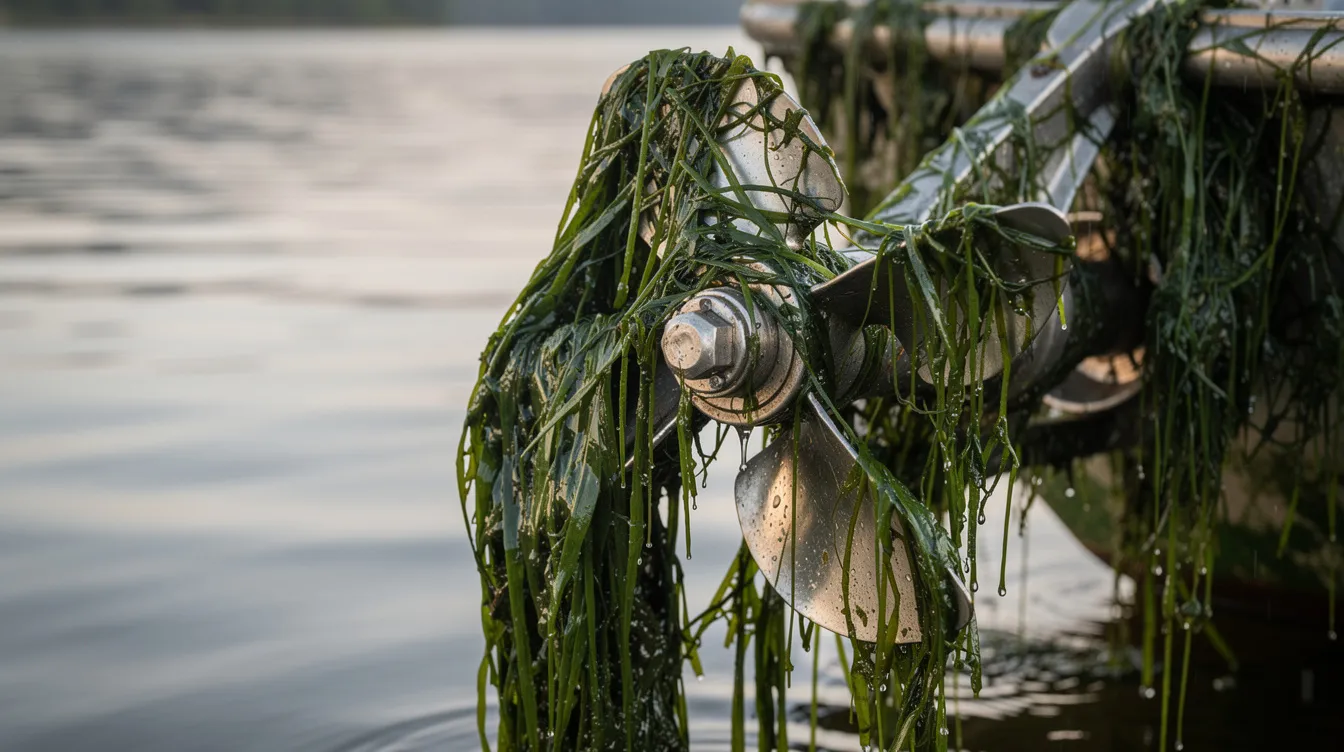
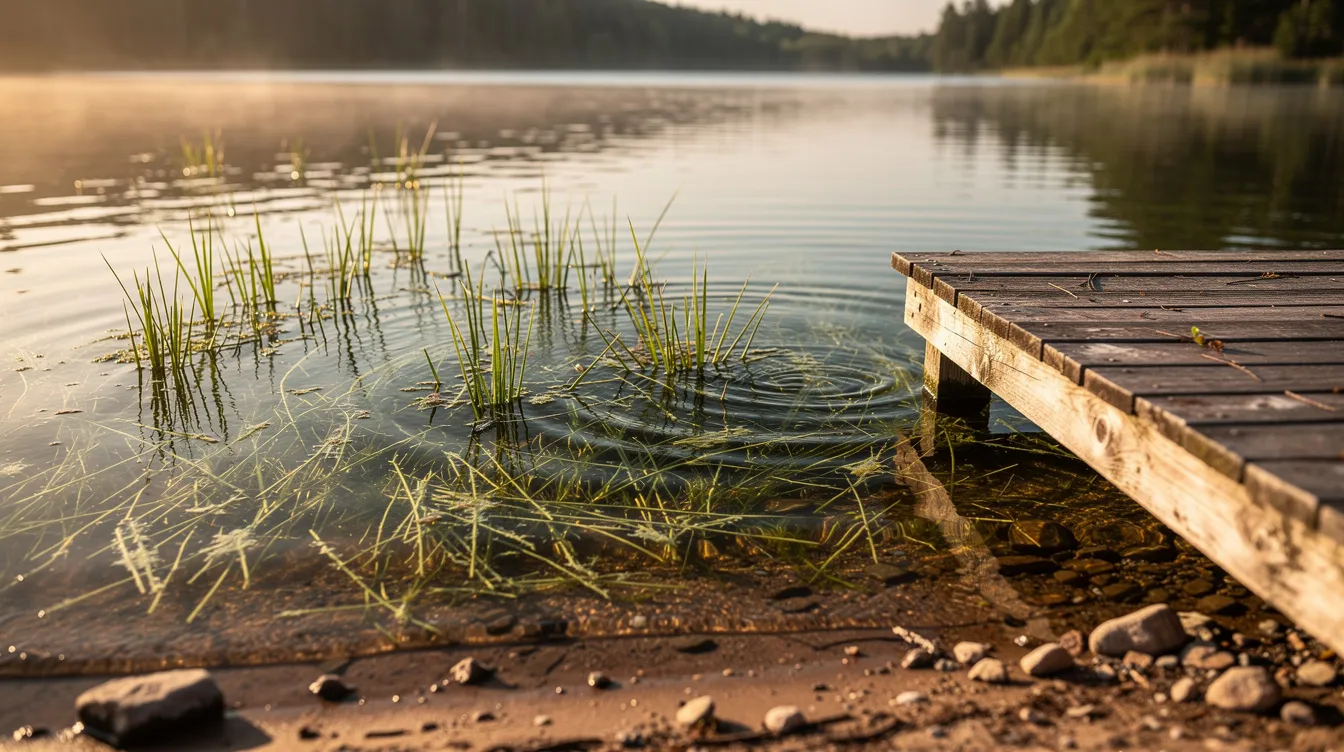
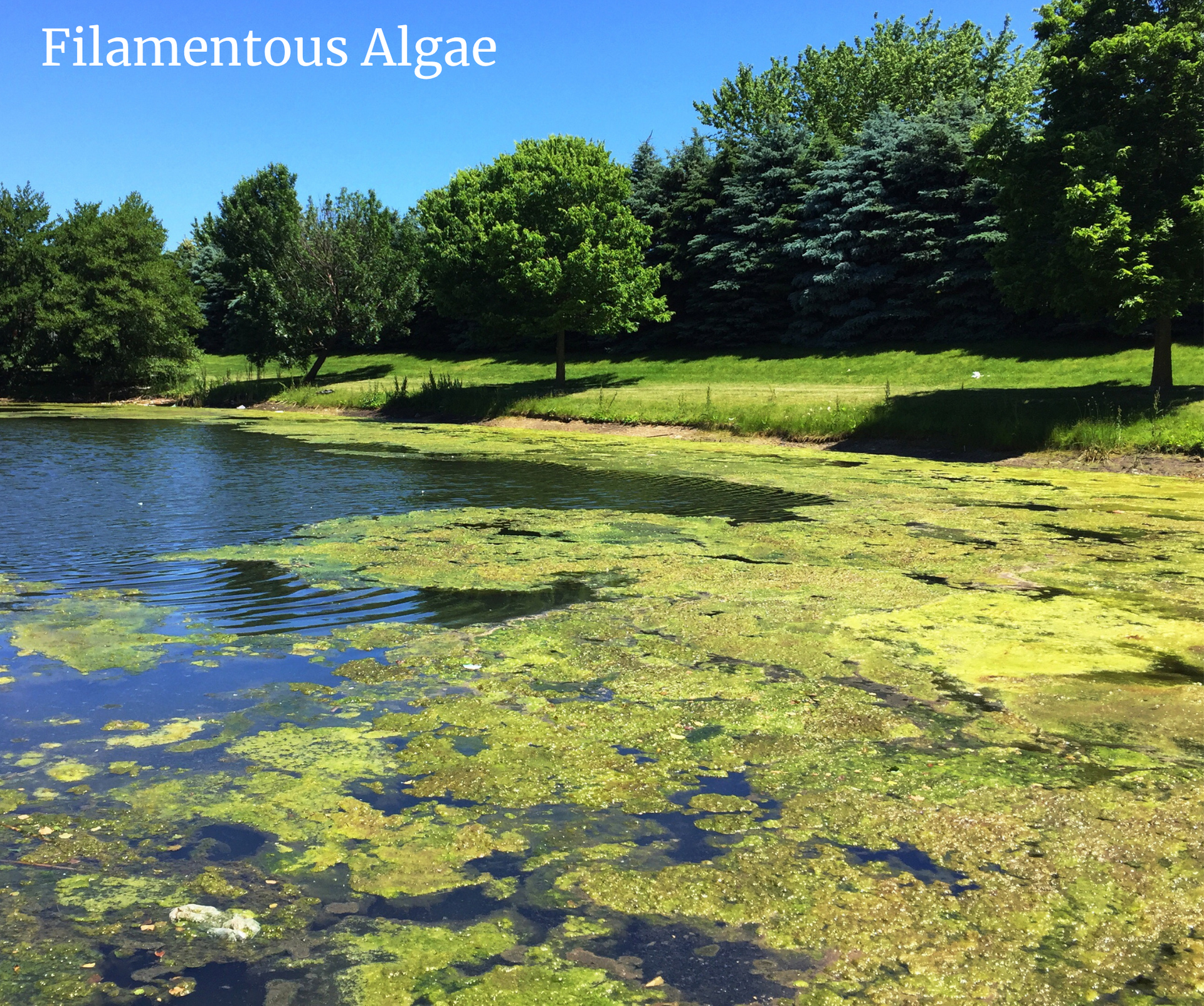
Filamentous Algae (String Algae) Filamentous algae, commonly referred to as string or hair algae, can appear as green mossy mats, slime, or long hair-like strands. These strands begin attached to rocks or the pond bottom, then create floating mats on sunny afternoons when trapped oxygen bubbles cause them to float to the surface.
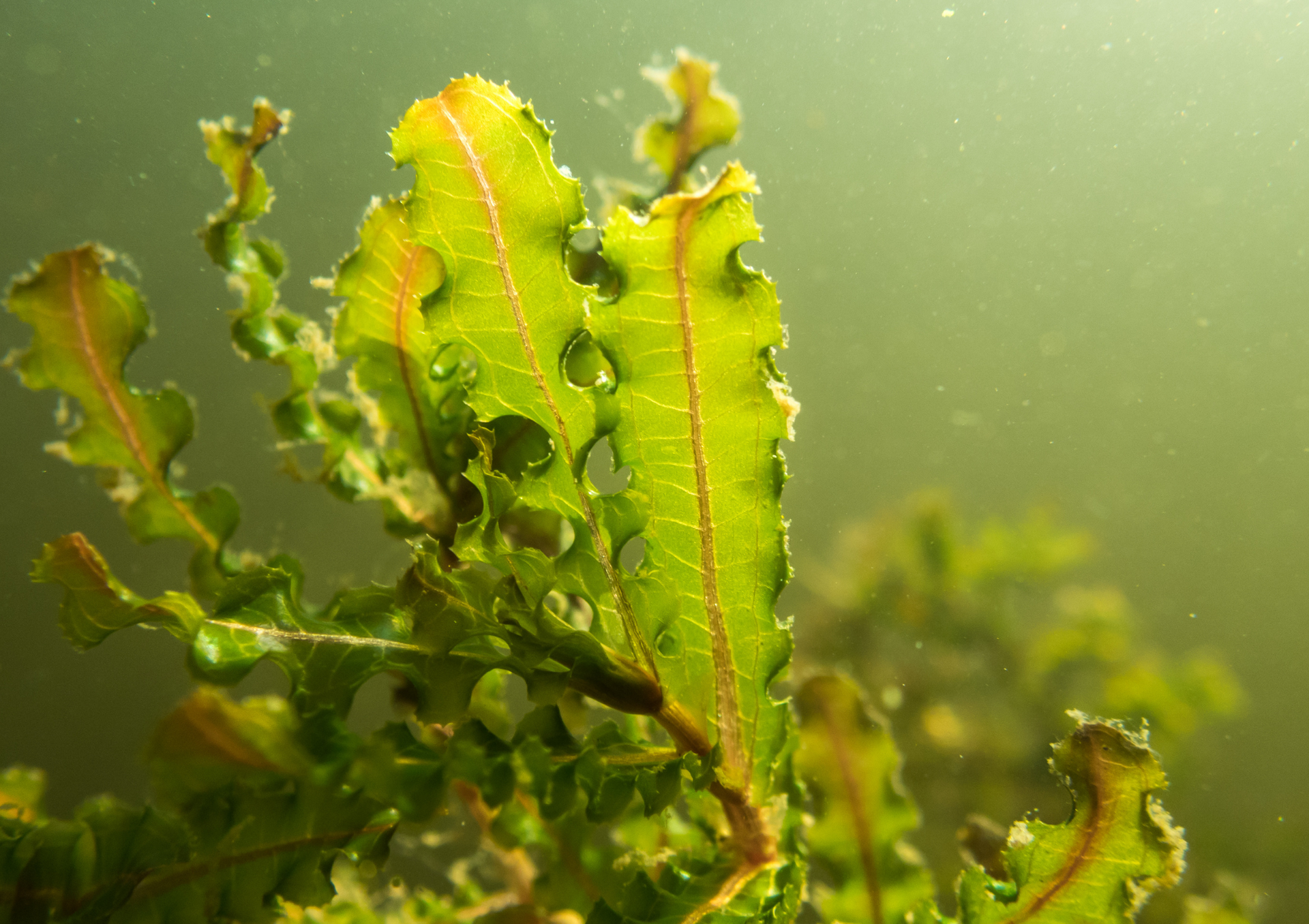
Macroalgae Macroalgae, such as Chara and Nitella, are often mistaken for submerged weeds but are actually forms of algae. They feature a central stem with whorled branches and may emit a musky or garlic-like odor. Unlike rooted aquatic plants, they lack a true root system.
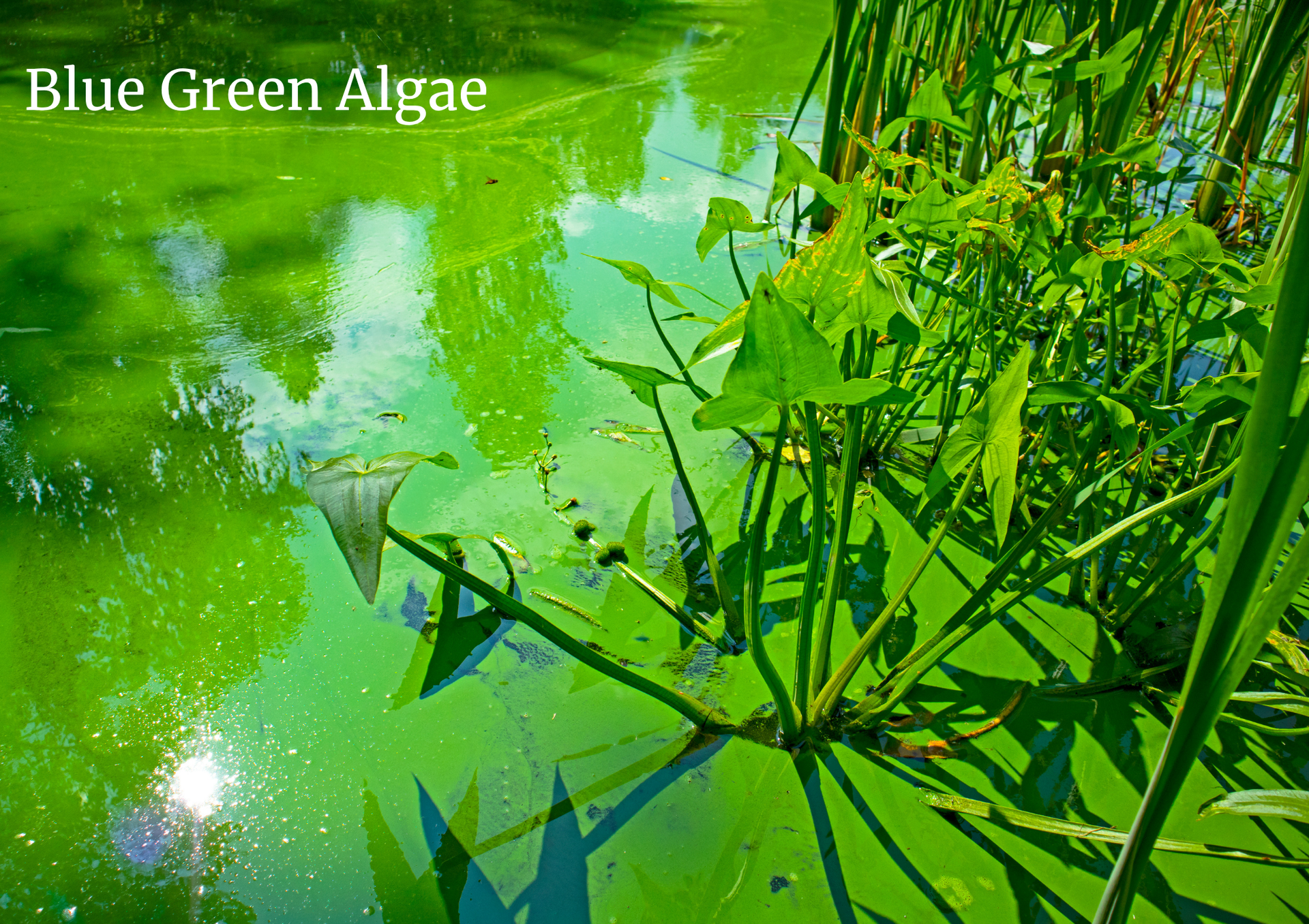
When should you call a professional? Contact Ready Scout if you observe suspected harmful cyanobacteria (blue green algae with bright colors), recurring dense blooms each season, or unusual scums that could indicate toxic conditions requiring laboratory confirmation.
Chemical Algae Control Options
Chemical treatments can quickly kill existing algae in ponds when applied correctly. However, algaecides, particularly EPA-registered types, can offer rapid control of existing algae blooms but should be used cautiously to avoid ecological harm.
Liquid Algaecides Liquid formulations work as contact herbicide treatments for planktonic algae and green water. Applied to the water column via sprayers, they achieve even distribution throughout the pond.
Granular Algaecide Products For filamentous and string algae on rocks, shorelines, and waterfall surfaces, granular algaecide applications sink to target growth at the pond bottom. Products containing sodium carbonate peroxyhydrate (like GreenClean Granular Algaecide) oxidize cells without leaving copper residue. Hydrogen peroxide-based formulas offer broad spectrum control while breaking down into water and oxygen.
Copper-Based Treatments Copper sulfate and copper complexes remain effective algae killer options for Chara and heavy filamentous growth.
Biological & Chemical-Free Algae Control
Beneficial Bacteria Beneficial bacteria can be used to reduce excess nutrients in ponds, which is an effective method for managing algae growth. These microorganisms enzymatically break down organic muck, converting nitrogen compounds through denitrification. Regular dosing starves algae of bioavailable nutrients. In a balanced pond ecosystem, diatoms offer a competitive advantage because they can outcompete and control problematic algae growth and help prevent excessive algae growth.
Pond Dyes Using pond dye can help control sunlight penetration, which is a crucial factor in managing algae growth in ponds. Blue or black dyes absorb light wavelengths needed for photosynthesis. Trade-off: dyes also reduce phytoplankton that feed fish and birds.
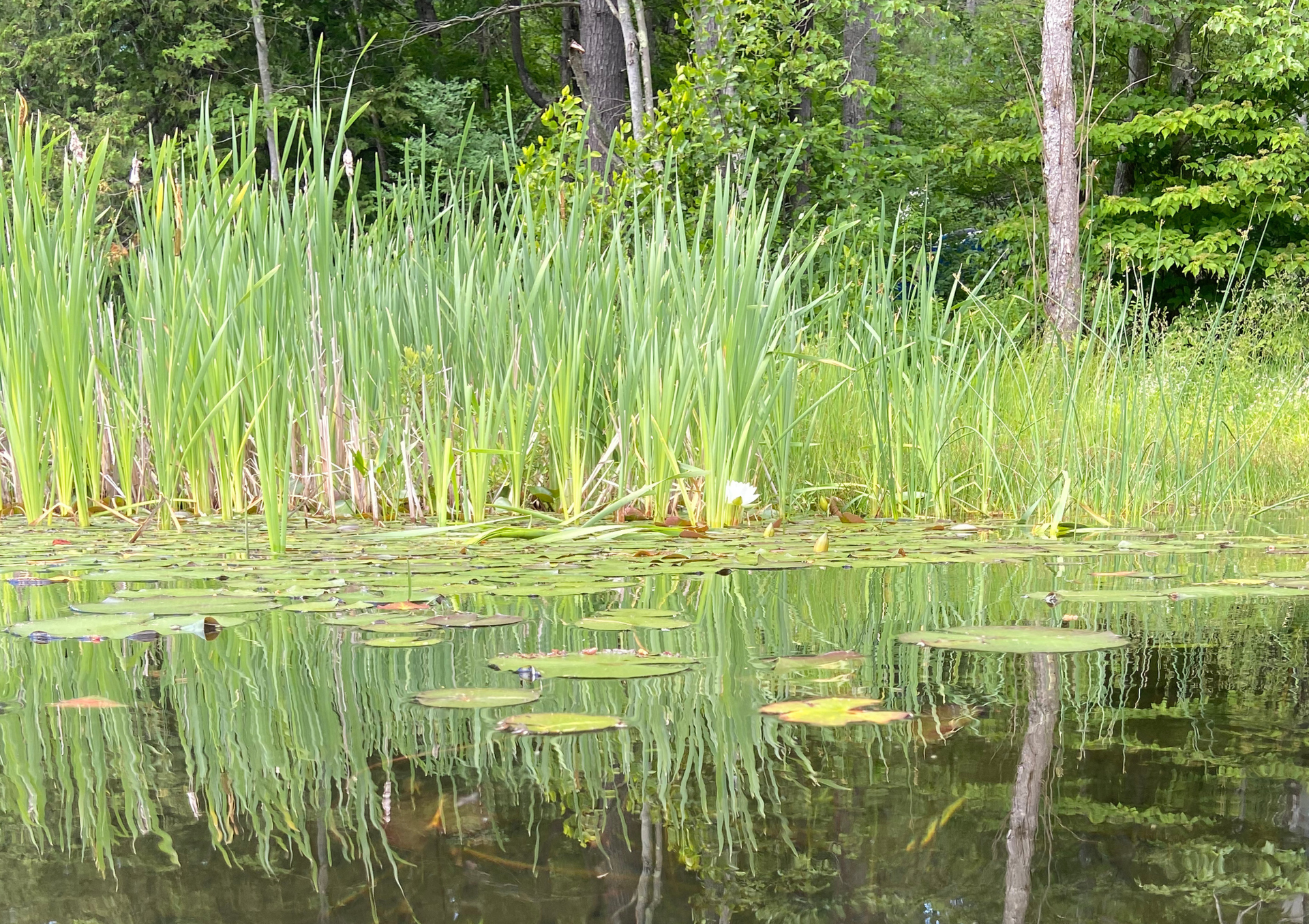
Plant Competition Floating plants like water lilies and hardy non-invasive aquatic plant growth absorb nutrients, reducing algae growth, while also competing directly with algae. Recommendations are to cover 40–60% of a pond’s surface for effectiveness and added shade.
Natural Inhibitors Barley straw can naturally inhibit algae growth as it decomposes in water, releasing compounds that slow cell reproduction.
Ready Scout integrates these approaches into customized professional plant and algae management plans for each pond’s specific conditions as part of its broader professional lake consulting services.
Physical & Mechanical Algae Management
Physical methods offer immediate, residue-free control—often the first response in small ponds.
Manual Removal Mechanical removal strategies include using rakes or skimmer nets to extract algae and debris from ponds. Removing mats promptly prevents nutrients from recycling back into the water. Rakes can extract 80–90% of visible biomass in a single pass.
Mechanical Equipment For larger ponds and lakes, weed-cutters, surface skimmers, and harvesting equipment remove tons of biomass. Professional deployment often proves more cost-effective than DIY approaches for weeds and dense growth, especially when it involves expert plant and algae management services that pair mechanical removal with targeted treatments.
Managing Organic Inputs Keeping a balanced fish population helps reduce fish waste and decaying organic material that can feed algae growth.
Preventing Algae Blooms Long-Term
Prevention forms the core of sustainable algae control, and proper maintenance is what prevents algae outbreaks over the long term. Long-term control is most effective when algae is deprived of necessary nutrients for growth.
Nutrient Management Controlling algae growth requires a balanced strategy that addresses both existing blooms and underlying causes, primarily excess nutrients and sunlight, since unmanaged inputs drive excessive algae growth. Key practices:
- Redirect stormwater away from ponds
- Maintenance of a “buffer strip” of native vegetation around a pond can help filter out fertilizer runoff and sediments from nearby land
- Limit lawn fertilizer applications within 50 feet of shorelines
- Maintain functioning septic systems and, where needed, seek permitting and regulatory compliance support for nutrient-management projects
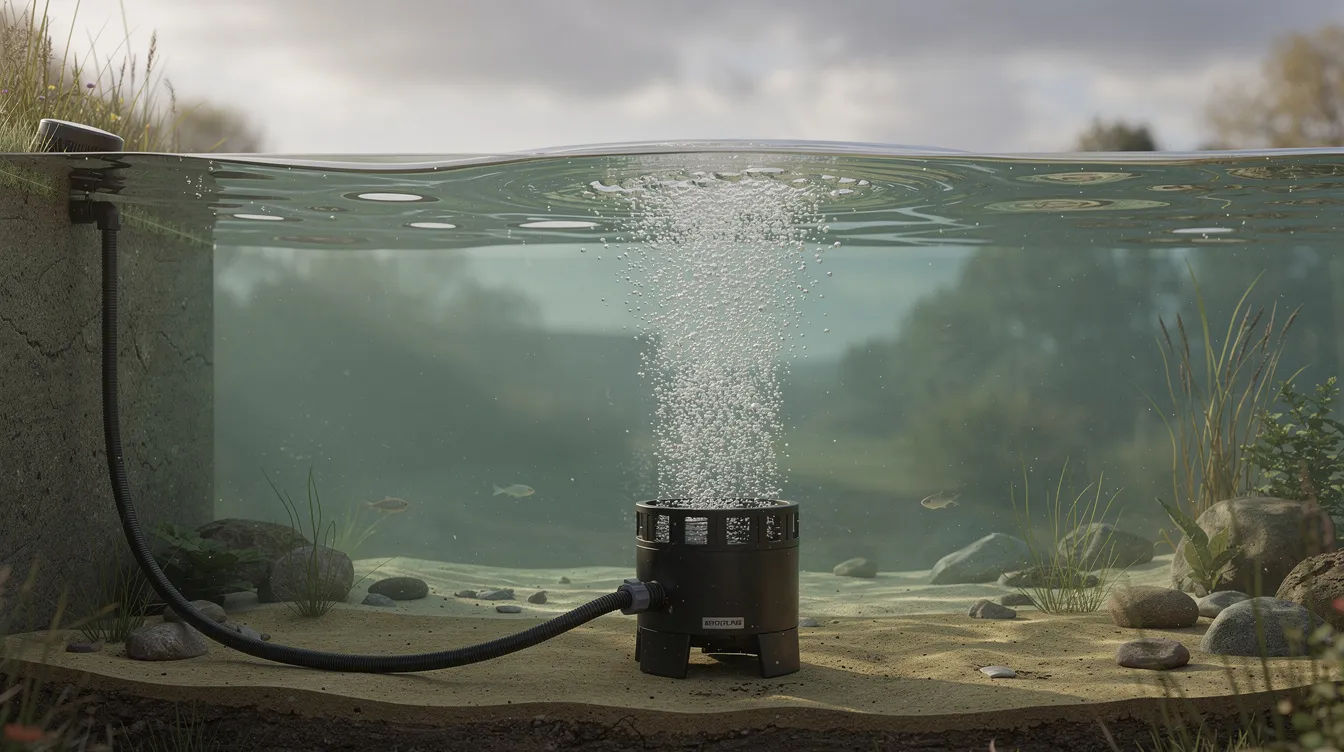
Aeration Systems Proper aeration and circulation increase dissolved oxygen levels, which helps aerobic bacteria thrive and can bind phosphorus to sediment; in larger lakes, professional lake consulting and management support can optimize aeration system design and placement. Submersed Aeration systems or fountains, promote a healthy ecosystem and reduce stagnant areas where algae thrive; choosing from the best pond and lake aerators for your basin’s depth and shape further improves results.
Vegetated Buffers Establish buffer strips with deep-rooted native plants around pond edges. A 50-foot buffer can trap 60–80% of phosphorus from runoff, while shoreline plants also create natural shade that helps limit excessive light—tailored species selections work best for climates in New Jersey, New York, Vermont, and Ontario.
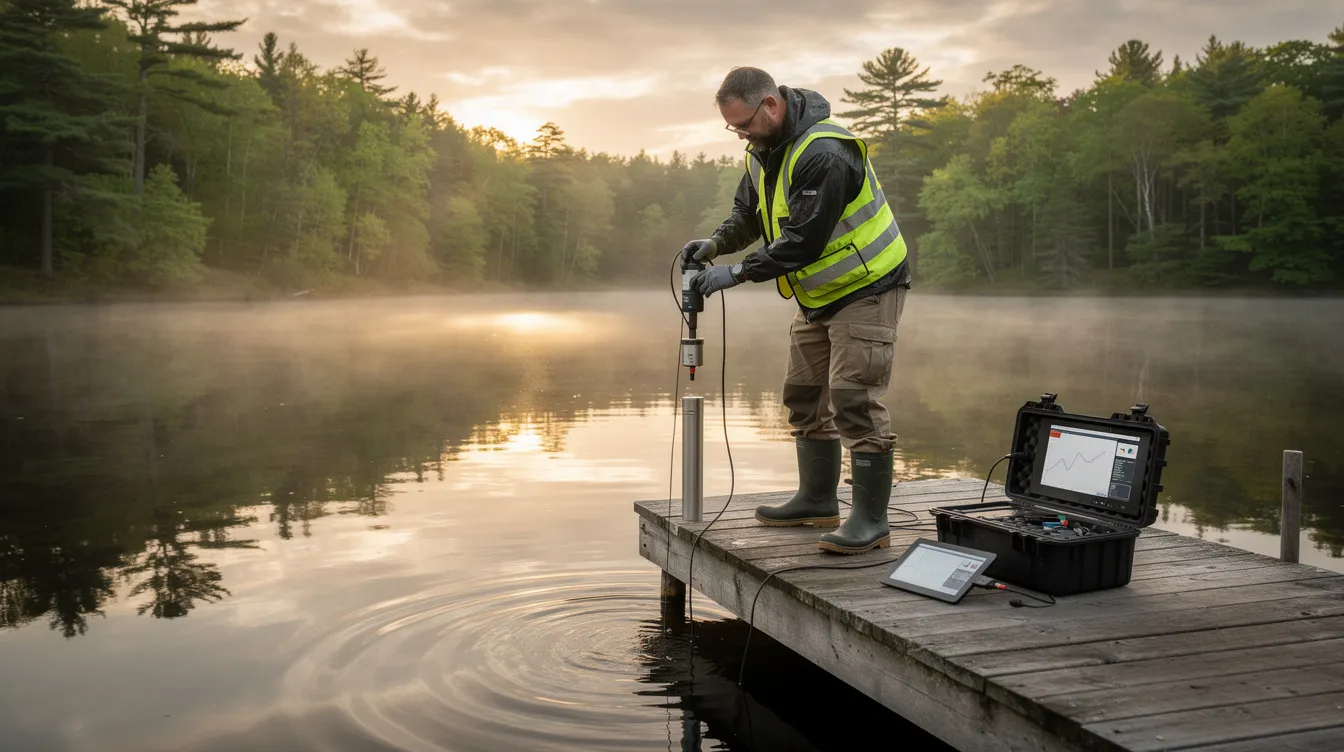
Routine Monitoring Regular water testing helps in managing pond and lake conditions effectively, and expert water quality consulting from Ready Scout can guide which parameters to track and how to interpret results. Track total phosphorus, nitrogen, dissolved oxygen, water clarity (Secchi depth), nitrate and phosphate levels, aiming for nitrate below 10 ppm and phosphate below 0.5 ppm in water to help detect rising bloom risk before problems occur.
Proactively managing your pond can help keep it clear of algae, allowing for more enjoyment and less time spent on cleaning. Ready Scout provides ongoing monitoring programs combining these elements into adaptive seasonal management.
How Ready Scout Supports Professional Pond Algae Management
Ready Scout, LLC operates as a specialized aquatic ecosystem management firm—not simply a product vendor, led by an experienced Certified Lake Manager. Learn more about the firm’s founder and lake management background. The company delivers comprehensive support for controlling algae across a service area focused on northern New Jersey and upstate New York and its broader NJ and NY service area, extending into Vermont and southern Ontario.
On-Site Evaluations Ready Scout performs thorough assessments including visual surveys, plant and algae identification using professional keys and microscopy, and watershed land-use reviews that identify nutrient sources.
Permitting & Compliance The firm handles regulatory requirements for algaecide applications, aeration installations, and invasive species control. This includes NYSDEC permits, NJDEP notifications, Vermont ANR approvals, and Ontario MECP filings, drawing on decades of lake consulting and management experience in these jurisdictions.
Additional Services Supporting Algae Control In addition to project work, Ready Scout shares ongoing expert lake and wetland management insights to help owners make informed decisions.
- Water quality monitoring programs
- GPS lake mapping
- Aeration system design and installation
- Invasive aquatic and wetland species management
Contact Ready Scout for a customized pond algae control plan aligned with your ecological goals, local regulations, and budget.
Frequently Asked Questions About Pond Algae Control
How quickly can I expect results after treating a pond algae bloom?
Visible effects from chemical algaecides often occurs within 24–72 hours for filamentous algae, as granular products achieve up to 90% cell kill. Green water from planktonic algae may take several days to clear as cells die, clump, and settle to the pond bottom.
Biological and nutrient-reduction strategies typically require weeks to months for full benefits since they work by gradually shifting the pond’s nutrient balance rather than directly killing existing growth.
Ready Scout recommends realistic timelines based on pond size, depth, and the specific type of pond algae present during initial consultations.
Are algaecides safe for fish, pets, and wildlife if used correctly?
EPA-registered and provincially approved products are designed with safety margins when applied according to label instructions. However, overdosing or treating too much surface area at once can cause oxygen crashes as dead algae decompose—potentially triggering fish kill events.
Some materials, including copper sulfate, stress sensitive species more than other products. Selection and dosing should account for alkalinity, hardness, and existing fish populations.
Can I control pond algae without using any chemicals?
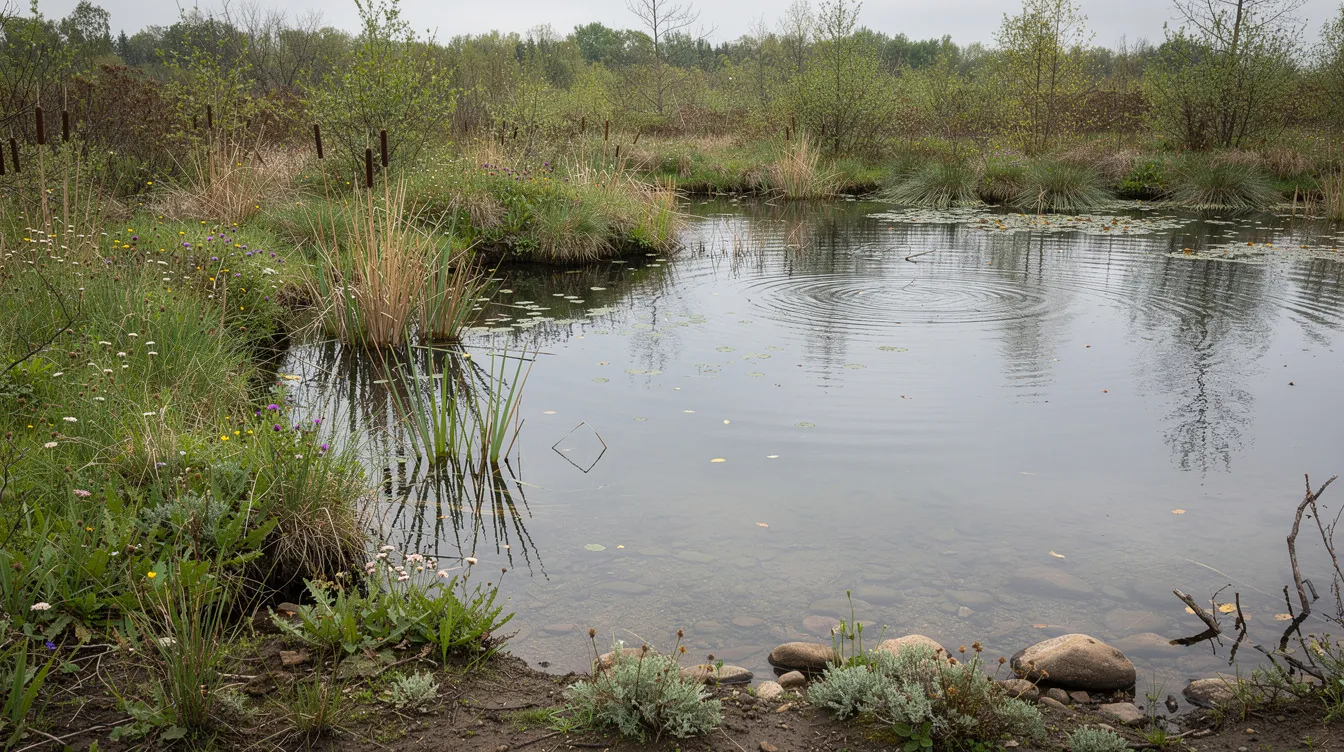
Many smaller ponds can significantly reduce algae growth using beneficial bacteria, physical removal, aeration, and nutrient management. Proper plant density helps with keeping algae in check in low-tech pond or water-garden setups. Managing algae consists of reducing excess nutrients and sunlight through this combination of mechanical removal, aquatic plants, and beneficial bacteria.
Success depends on watershed nutrient loads, pond depth, and bloom severity. Some high-nutrient situations still benefit from occasional targeted algaecide use. Contact Ready Scout to develop a tailored, biology-focused management plan.
How often should I monitor water quality to stay ahead of algae blooms?
Minimum seasonal testing (spring, mid-summer, and early fall) works for typical private ponds. High-use or problem-prone lakes and community water bodies benefit from monthly monitoring.
Key parameters include total phosphorus, nitrogen, dissolved oxygen, temperature profiles, and Secchi depth clarity readings. Ongoing monitoring programs from Ready Scout enable early detection of trends and more precise, cost-effective responses.
What information should I have ready before contacting Ready Scout about pond algae?
Gather basic pond details: approximate size and depth, location, age, presence of fish and plants, and any history of past algae blooms or treatments. Recent photos from multiple angles help—including close-ups of string algae, surface scums, or discolored water.
Ready Scout uses this information to propose initial management approaches and schedule necessary site visits or water quality testing for your specific situation.