Lake and Pond Aeration Systems: Complete Guide
Introduction to Pond Aeration Systems
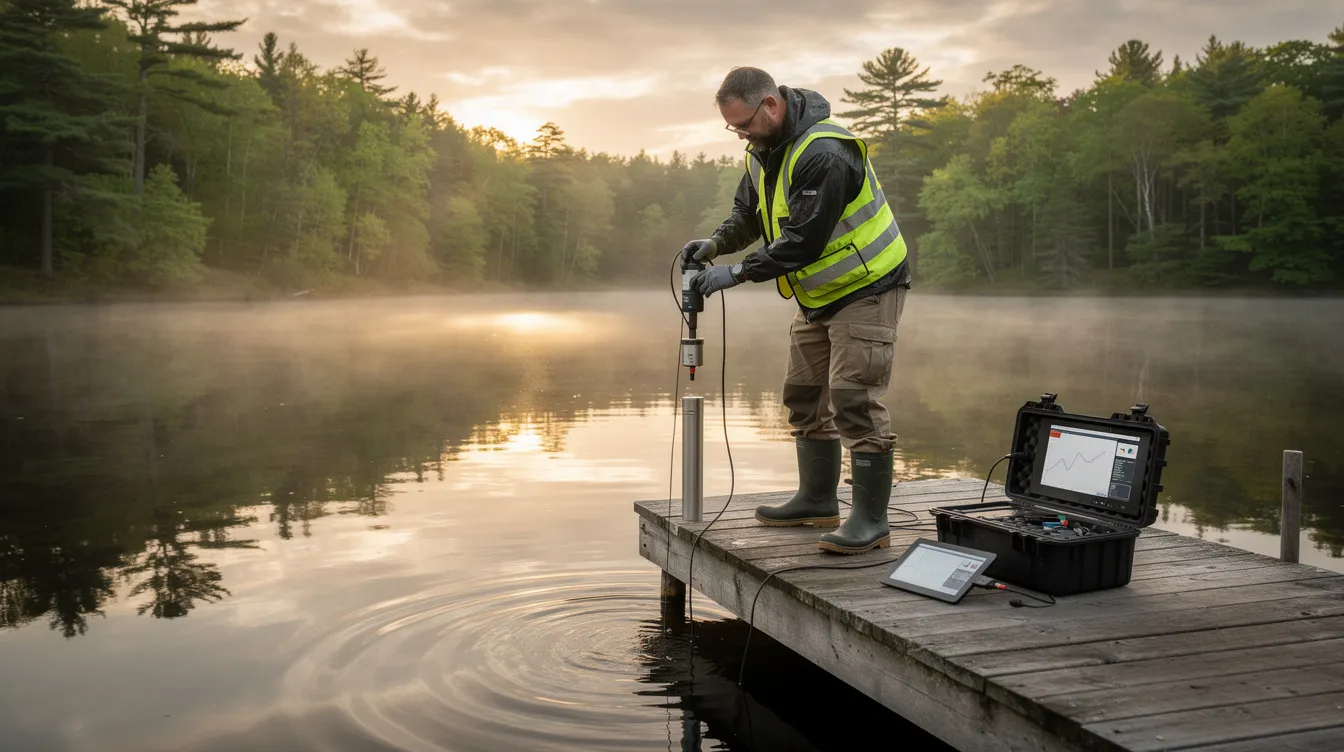
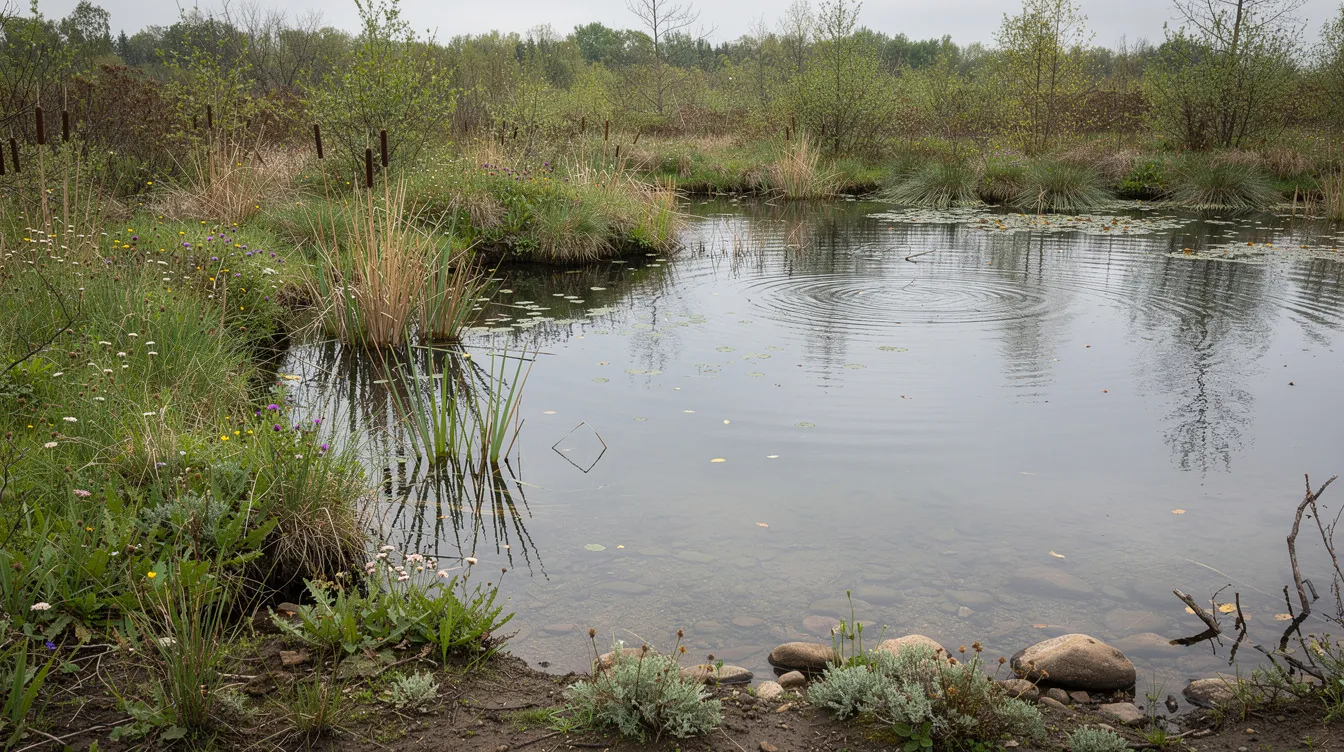
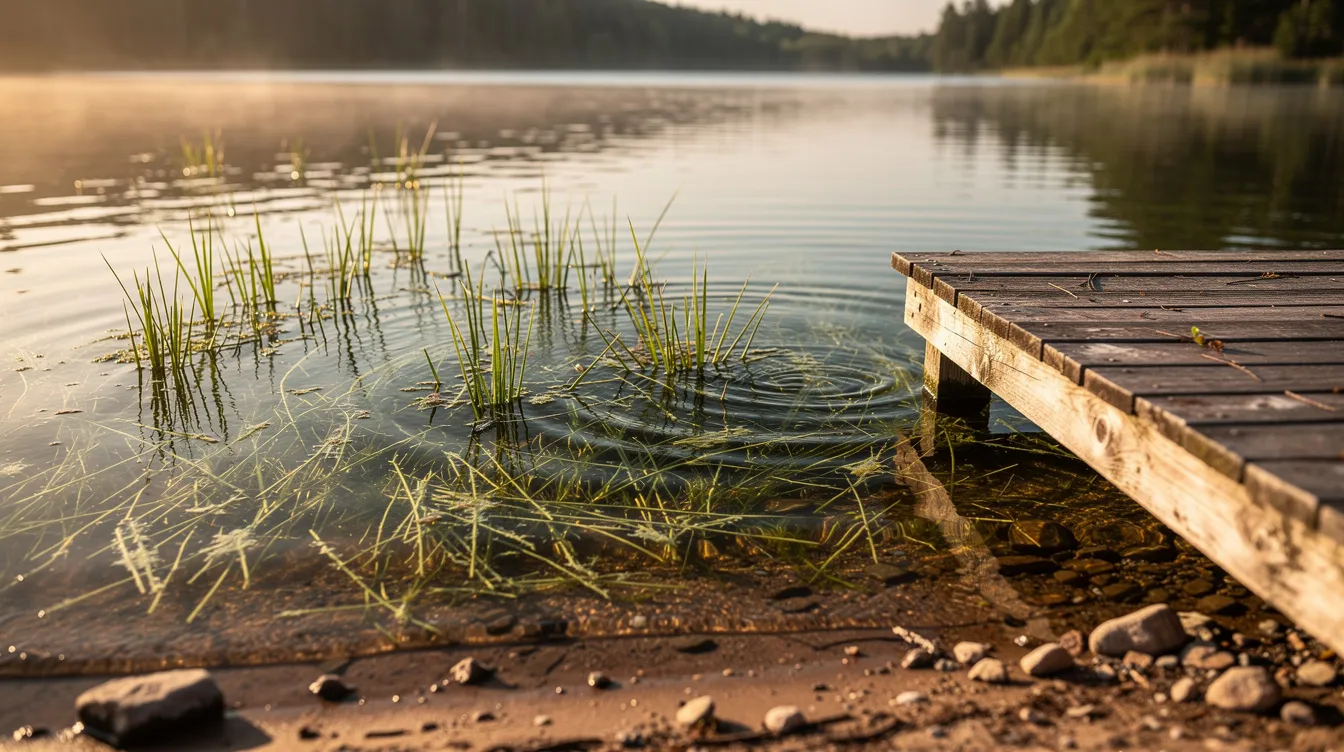
Lake and pond aeration systems are essential for maintaining healthy water quality and supporting aquatic life. Aeration is the process of introducing oxygen into water bodies, which is crucial for the health of ponds and lakes. This guide covers both lakes and ponds, the different types of aeration systems available—including surface aerators and diffused aeration systems—and their main benefits for water quality, fish health, and overall ecosystem stability.
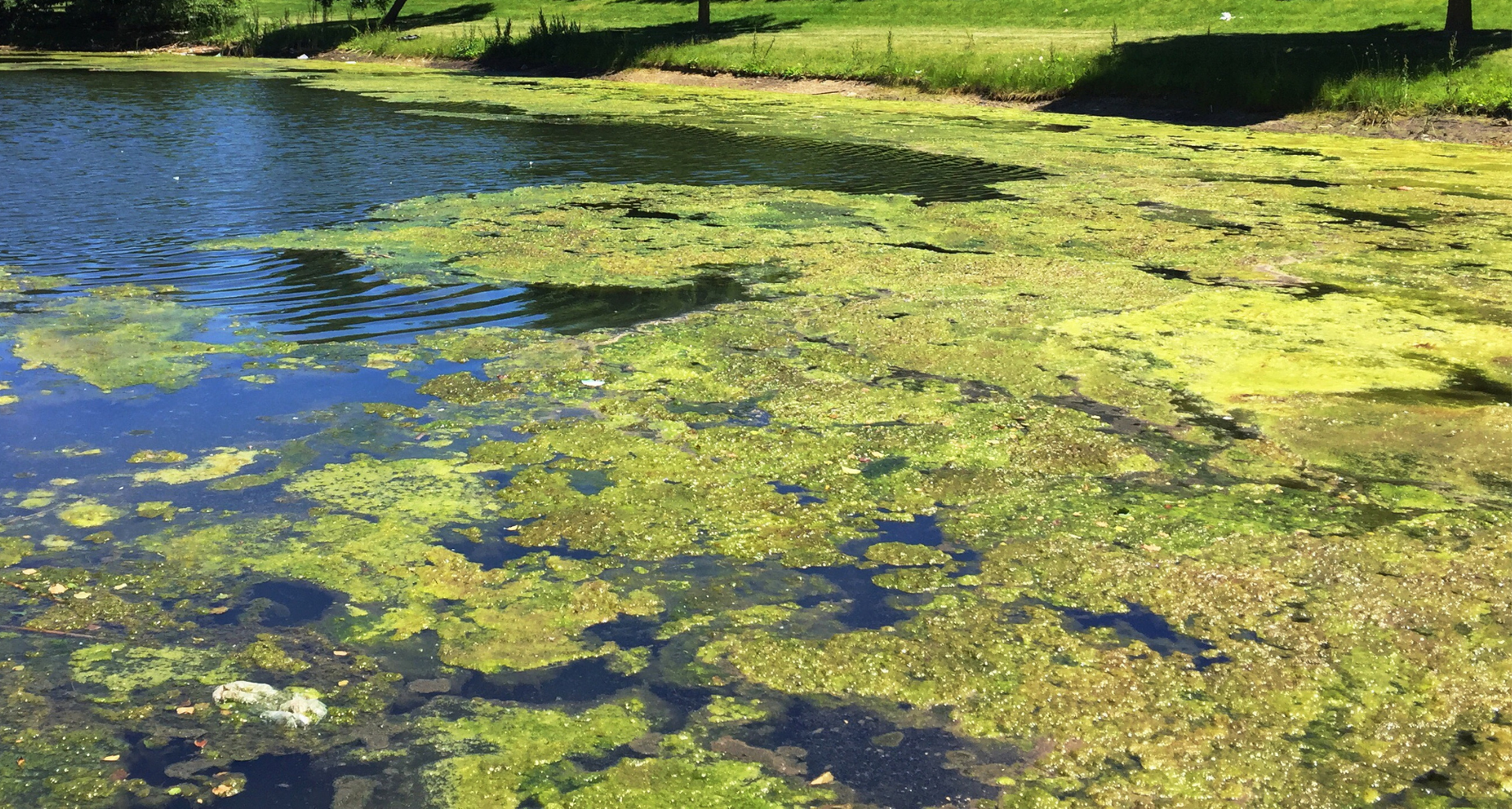
Whether you are a property owner, HOA board member, land manager, or responsible for a golf course, farm, estate, or municipal waterbody, understanding aeration is key to preventing common issues such as algae blooms, murky water, pond muck, and fish kills. Aeration systems help circulate water, increase dissolved oxygen, and support a balanced aquatic environment.
Lake and pond aeration systems introduce oxygen into water bodies, which helps prevent stagnation, supports beneficial bacteria, and creates a healthier habitat for fish and other aquatic life. By improving water movement and oxygen levels, these systems play a vital role in maintaining clear, odor-free, and visually appealing water features.
Now that you understand the scope and importance of lake and pond aeration systems, let's move on to the key takeaways for quick reference.
Key Takeaways
- Pond aeration systems are essential for stable oxygen levels, better water clarity, and a healthier fish population in Northern New Jersey, New York, Vermont, and Ontario, Canada.
- The two main categories of pond aerators are surface aerators and fountains, plus bottom-diffused aeration systems from the pond bottom.
- Surface aerators are ideal for ponds under 6 feet deep, while diffused aeration systems are most effective for ponds deeper than 6 feet.
- Proper pond aeration helps prevent algae blooms, odors, fish kills, ice-related stress, and poor shoreline appearance.
- Ready Scout designs and installs custom aeration systems for private ponds, HOAs, farms, golf courses, estates, and municipal lakes.
- Contact Ready Scout for a site assessment and quote before guessing at the right aerator size.
Surface Aerators vs. Diffused Aeration Systems: Comparison Table
| System Type | Ideal Pond Depth | Main Benefits | Best For |
|---|---|---|---|
| Surface Aerators | Under 6 feet | Rapid oxygen transfer, visual appeal, easy installation | Shallow ponds, decorative ponds |
| Diffused Aeration | Over 6 feet | Deep water oxygenation, full water column circulation, low-profile operation | Deep ponds, lakes, irregular shapes |
| Surface aerators are ideal for ponds under 6 feet deep, providing effective oxygenation and often adding decorative value. Diffused aeration systems are most effective for ponds deeper than 6 feet, ensuring oxygen reaches the entire water column and preventing stagnation in deeper areas. |
Why Pond Aeration Matters for Water Quality & Fish Health
Thermal Stratification and Water Quality
Still water often develops thermal stratification: warm, oxygen-rich surface water sits above cold deep water, separated by a thermocline. In a pond or lake, poor water quality can follow as the bottom loses dissolved oxygen, and that low-oxygen layer can release nutrients, hydrogen sulfide, methane, and other gases that harm the aquatic ecosystem. This is why pond and lake aeration systems matter across different types of water features, from small residential ponds to larger managed lakes, and why they should be part of integrated lake and pond management practices.
Benefits of Aeration
Aeration enhances water circulation, which helps distribute oxygen more evenly through the entire water column, benefiting fish and other aquatic life. Ready Scout offers a full range of aeration system design and installation services for lake aeration systems and pond aeration systems as part of broader ecosystem care that can also support aquatic weed control and effective pond algae control strategies. Aeration reduces stratification, prevents harmful algal blooms, and improves water clarity, while some surface systems can also add visual appeal; for example, Ready Scout can help clients choose proven equipment from brands such as Scott Aerator. Aerators control algae growth by limiting sunlight and nutrients that algae need to bloom, while coordinated aquatic weed control strategies and oxygen-rich environments help bacteria break down pollutants and organic matter. Additionally, aerators improve aesthetics and prevent foul odors in water bodies by promoting oxygen-rich environments, especially when paired with aquatic weed identification and control to manage unwanted plant growth.
By maintaining optimal oxygen levels and reducing stratification, aeration creates a healthier environment for fish and diminishes the potential for fish kills. The benefits include:
- Clearer water
- Fewer odors
- Less mosquito-friendly stagnation
- Stronger sportfish habitat
- Better overall water quality
Now that we've covered the importance of aeration, let's explore how different types of pond aerators work.
How Different Types of Pond Aerators Work
Types of Aerators
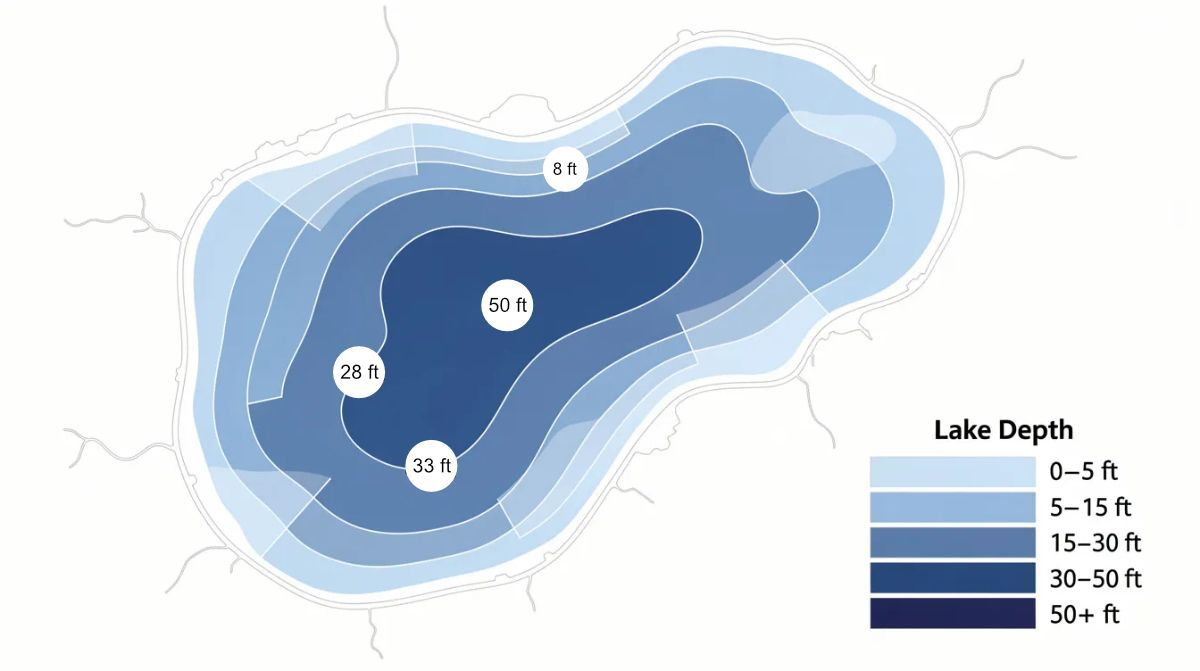
Aerators can be categorized into surface aerators, fountains, and bottom-diffused aerators. Surface aerators are ideal for ponds under 6 feet deep, drawing water from the top and spraying it into the air. Subsurface or diffused aeration systems are most effective for ponds deeper than 6 feet, pumping air through tubes to release bubbles from the lakebed, and they work best when designed using accurate lake maps with depths to position diffusers correctly. Ready Scout often combines multiple units on irregular ponds to avoid dead zones.
Diffused Aeration Systems (Bottom Aeration)
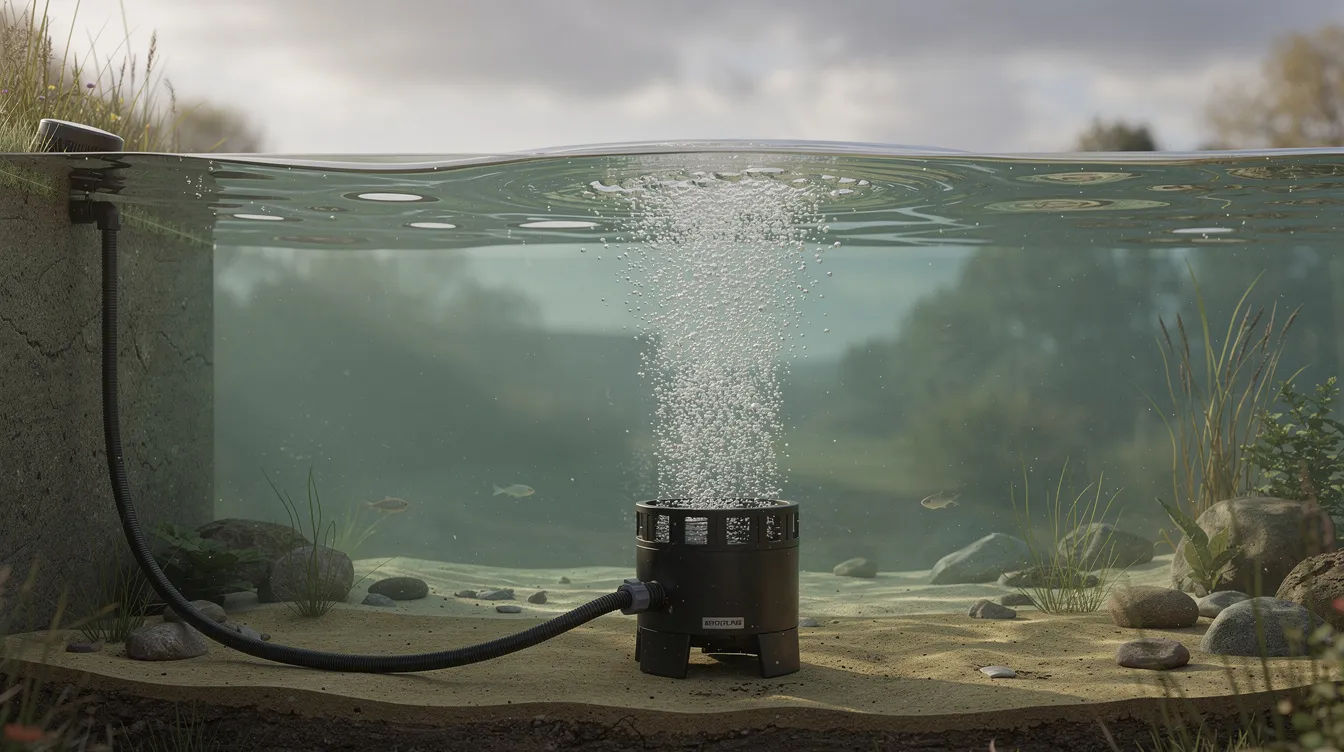
For deep ponds 7-8 ft and deeper, the best pond aeration system is usually bottom diffusion matched to depth and the pond's size, as it pushes oxygen from the bottom up and helps prevent stagnation. Diffused aeration systems utilize a shore-mounted air compressor that pumps oxygen through a hose to diffuser plates placed at the deepest point, creating circulation; bigger ponds and larger ponds often need multiple diffuser stations or higher-capacity compressors to move oxygen through the entire pond.
Diffused aeration creates small bubbles that rise from the diffuser plates and help circulate the entire water column, lifting deep water to the surface, and ongoing water quality monitoring and lake mapping can verify that these systems are improving oxygen levels over time. This process is efficient, low-profile, and ideal for deep water common in New York, Vermont, and Ontario. Ready Scout designs diffused aeration layouts using depth measurements, pond shape, compressor sizing, and multiple diffuser stations as part of its broader professional lake consulting and management services, since undersized aerators may not effectively oxygenate deeper water.
Surface Aerators & Fountain Aerators
Shallow ponds around 5 ft or less, including small ponds, are best suited for surface aerators and fountains, while deeper water is usually better served by diffused systems. Surface units are also often chosen when an owner wants an attractive spray pattern on a decorative water feature. Floating aerators are designed to take deeper, colder water from below the surface and force it into the air, allowing atmospheric oxygen to be captured and released back into the water, which helps in destratification.
High oxygen transfer surface aerators agitate high volumes of water at the surface to improve water quality, and some units can inject up to three pounds of oxygen per horsepower per hour. That makes them suitable for ponds where a decorative fountain pattern is not desired. Decorative fountains can add spray patterns and LEDs for homes, campuses, and golf courses. Ready Scout sources units based on site needs—not brand names like kasco aerators alone.
With a clear understanding of the types of aerators, let's look at specialty and solar-powered options for unique site needs.
Specialty & Solar Aeration Options
Solar pond aeration can help remote farms, hunting properties, and utility sites, and solar aerators are often a practical choice for remote ponds where grid power is unavailable or expensive. The right setup depends on the available power source and the runtime you need. A solar system usually includes panels, a charge controller, battery storage, and a compressor or surface unit. Solar output depends on daylight hours and can be improved with battery backup or hybrid setups. The limits are sun exposure, shading, snow, and higher upfront cost. Ready Scout evaluates whether solar or hybrid power makes sense in Northern New Jersey, New York, Vermont, or Ontario, drawing on up-to-date lake and wetland management strategies and broader sustainable lake management practices. For suitable windy sites, a windmill aerator can also be an effective off-grid option.
Now that you know the main types of aeration systems, let's discuss how to choose the right one for your specific waterbody.
Choosing the Right Pond Aeration System for Your Waterbody
No single effective pond aerator is best for every pond. Depths, shape, fish stock, owner goals, and power access matter. In ponds with a heavy fish load, a stronger aerator pump is necessary to ensure adequate oxygen levels, especially during heat waves and cold snaps.
Factors to Consider: Size, Depth, and Use
Before you choose, note the pond surface area, average depth, maximum depth, water’s edge access, and current issues like algae, odors, or stressed fish. Swimming ponds, livestock ponds, irrigation ponds, ornamental ponds, and stormwater basins all need different coverage, which is where Ready Scout’s lake consulting and management expertise and targeted water quality monitoring programs help match equipment to real-world conditions. Irregular coves may need extra aerator units or diffusers.
Energy, Noise, and Aesthetic Considerations
A 1/2 hp to 5 hp surface aerator can move large volumes quickly, while shore compressors for diffused aeration may be more efficient per acre in deeper lakes. Ready Scout can place compressor cabinets away from homes to help reduce noise and help HOAs choose fountain styles while protecting actual aeration performance.
Once you've selected the right system, proper installation and setup are crucial for optimal performance.
Installation & Setup of Pond Aerators
Most aerators can be set up quickly by placing the unit, connecting the airline or cord, and turning it on. Larger systems are better handled professionally.
Surface Aerator Installation Steps
- Place the floating unit in the desired location on the pond.
- Attach mooring lines to secure the unit.
- Connect the power cord, ensuring safe cable routing and GFCI protection.
- Adjust the spray pattern or aeration settings as needed.
- Turn on the unit and monitor for proper operation.
Diffused Aeration System Installation Steps
- Prepare a level pad for the shore-mounted compressor.
- Lay out and connect weighted airline tubing from the compressor to the pond.
- Position diffuser plates at the deepest points of the pond.
- Connect the airline tubing to the diffusers.
- Start the compressor and check for even bubble distribution.
- Gradually increase runtime for older ponds with heavy muck to avoid rapid mixing.
Small 1/4–1 acre installs may be same-day; larger multi-diffuser lakes often take 1–2 days.
Start-Up, Balancing, and Seasonal Adjustments
Older ponds with heavy pond muck should start slowly. Run new diffused systems for a few hours, then increase over one to two weeks to avoid rapidly mixing low-oxygen water. Full-time operation is common from late spring through early fall, with adjusted schedules during ice formation.
With your aeration system installed, ongoing maintenance ensures long-term performance and reliability.
Maintenance, Repairs, and Winterization
Regular maintenance of aeration systems includes inspections, cleaning, and adjustments to ensure optimal performance.
- Surface systems need screen cleaning, impeller checks, mooring inspection, and cord review.
- Diffused systems need filters, pressure checks, compressor service, and diffuser cleaning when biofilm or minerals reduce bubbles.
Winterizing aeration systems, especially fountains, is essential to protect them from freezing temperatures and potential damage, and many projects also require attention to permitting and regulatory compliance for any chemical or structural work.
If you need expert help, Ready Scout offers local support for assessment, design, installation, and maintenance.
Ready Scout: Local Aeration Expertise for the Northeast
Ready Scout supports assessment, design and installation of aeration systems in the northeast. Its lake consulting service area in NJ and NY includes Northern New Jersey, including Sussex, Morris, and Passaic counties; New York, including Hudson Valley and upstate areas; and nearby regions such as Vermont and Ontario, Canada.
How to Get Started with Ready Scout
Gather your location, approximate pond size, estimated depth, existing equipment, and main concerns. Ready Scout can then inspect the site, measure depths, review shoreline access and electricity, and provide a written plan with recommended equipment, estimated operating cost, and maintenance schedule. Related services may include vegetation control, expert plant and algae management, shoreline management, invasive wetland species control, and water quality monitoring.
Contact Ready Scout: Phone: 908-310-8775 | Email: gps@readyscout.com | Website: https://www.readyscout.com.
Frequently Asked Questions About Pond Aerators
How quickly will a pond aerator improve my water quality?
Many ponds show better surface clarity and fewer odors within 1–3 weeks of continuous aeration. Long-term reductions in muck and internal nutrients can take a full season or more, especially when Ready Scout pairs aeration with targeted algae control and broader lake management consulting services.
Can I run my pond aerator all winter in New York, Vermont, or Ontario?
Often, yes, but settings matter. Diffusers may need to move shallower to maintain gas exchange without destroying the warm bottom refuge fish need for life under ice. Ask Ready Scout and its Certified Lake Manager-led team before experimenting with winter operation.
What size aerator do I need for my pond?
A small 1/4-acre shallow pond may use a 1/2 hp surface aerator, while 1–5 acre lakes often need multi-station diffused aeration. Ready Scout calculates volume, shape, fish load, and compressor or horsepower needs instead of relying only on acreage charts, and can integrate this into broader lake community self-sufficiency planning.
Will a pond aerator eliminate algae completely?
No. Aeration improves oxygen, circulation, and nutrient processing, but fertilized lawns, agriculture, geese, and stormwater can still feed algae. The goal is a healthier, clearer, more stable pond—not swimming-pool-perfect water, especially when you address specific issues such as duckweed management in ponds and use treatments that follow labeled directions and safety guidelines documented in aquatic product label information.
How much does pond lake aerators installation cost?
Small decorative fountains or single-station systems may cost far less than multi-acre, multi-diffuser systems. Power access, trenching, depth, and maintenance needs affect price. For a site-specific quote, contact Ready Scout and request an aeration proposal.