Managing Your Private Lake: Comprehensive Guide to Healthy Lakes & Ponds
Key Takeaways
- Effective lake management combines watershed planning, in-lake treatments, and ongoing monitoring to protect water quality, habitat, and recreation.
- Ready Scout provides full-service lake and pond management across Northern New Jersey, New York, Vermont, and Ontario, Canada.
- Success depends on stakeholders—homeowners, lake associations, and municipalities—working together with clear, written management plans.
- Modern management relies on data: water testing, drone surveys, and GIS mapping guide every decision.
- This article covers practical steps, real example projects, and how to partner with Ready Scout for long-term results.
Introduction
This guide is intended for lake associations, homeowners, municipal officials, and anyone responsible for managing lakes and ponds.
What Is Lake Management?
Lake management is the coordinated care of lakes and ponds to protect water quality, wildlife habitat, and recreational use. It integrates watershed controls (addressing runoff and erosion), in-lake actions (plant and algae control, aeration), and regulatory compliance into a unified approach.
The distinction between lake and pond management matters. Ponds—typically under 5 acres with shallow depth—react faster to nutrient pulses and temperature changes, often requiring quarterly adjustments. A 900-acre recreational lake in New York demands multi-year watershed strategies, while a 3-acre residential pond in Northern New Jersey might focus on muck removal and fountain-based circulation.
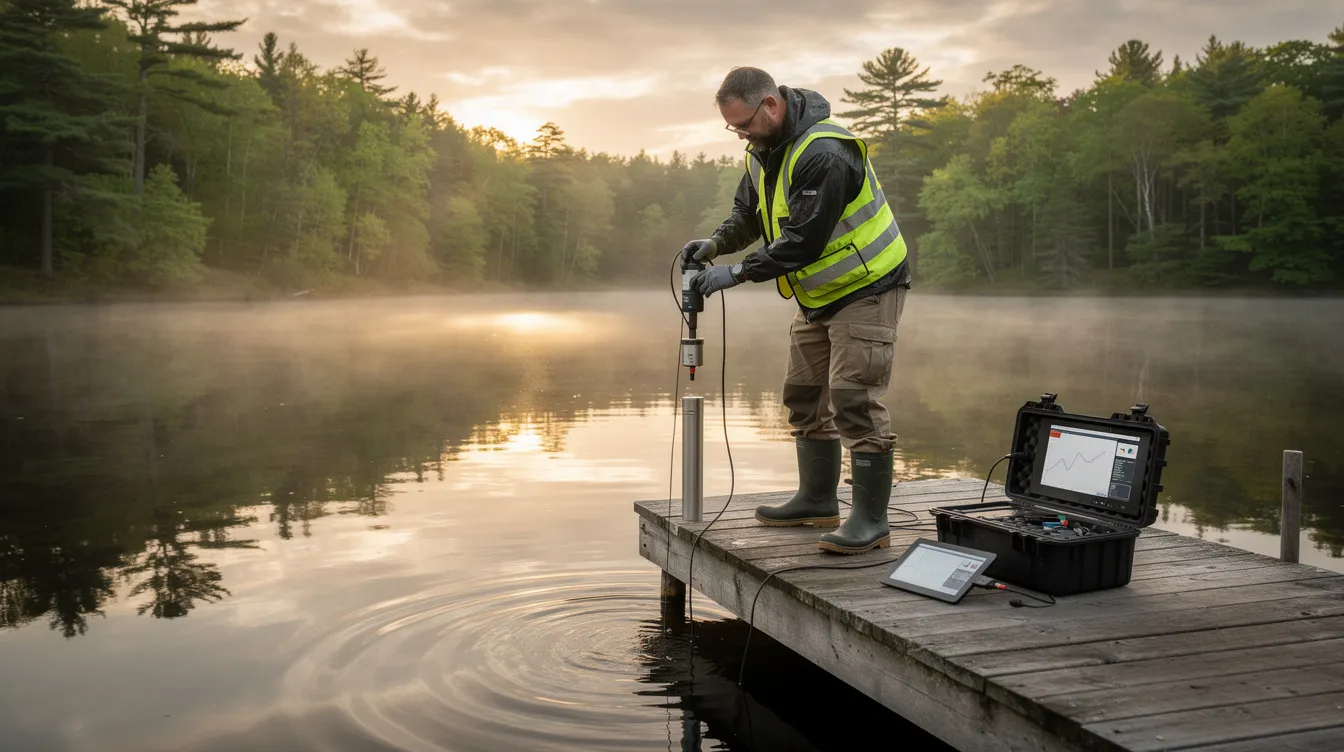
Modern lake management relies heavily on gathering data to guide decisions. This includes:
- Water testing for phosphorus, nitrogen, and chlorophyll-a
- Drone-based imaging for vegetation assessment
- GIS watershed modeling for runoff analysis
- Real-time sensors tracking clarity and dissolved oxygen
Lake and Watershed Management Planning
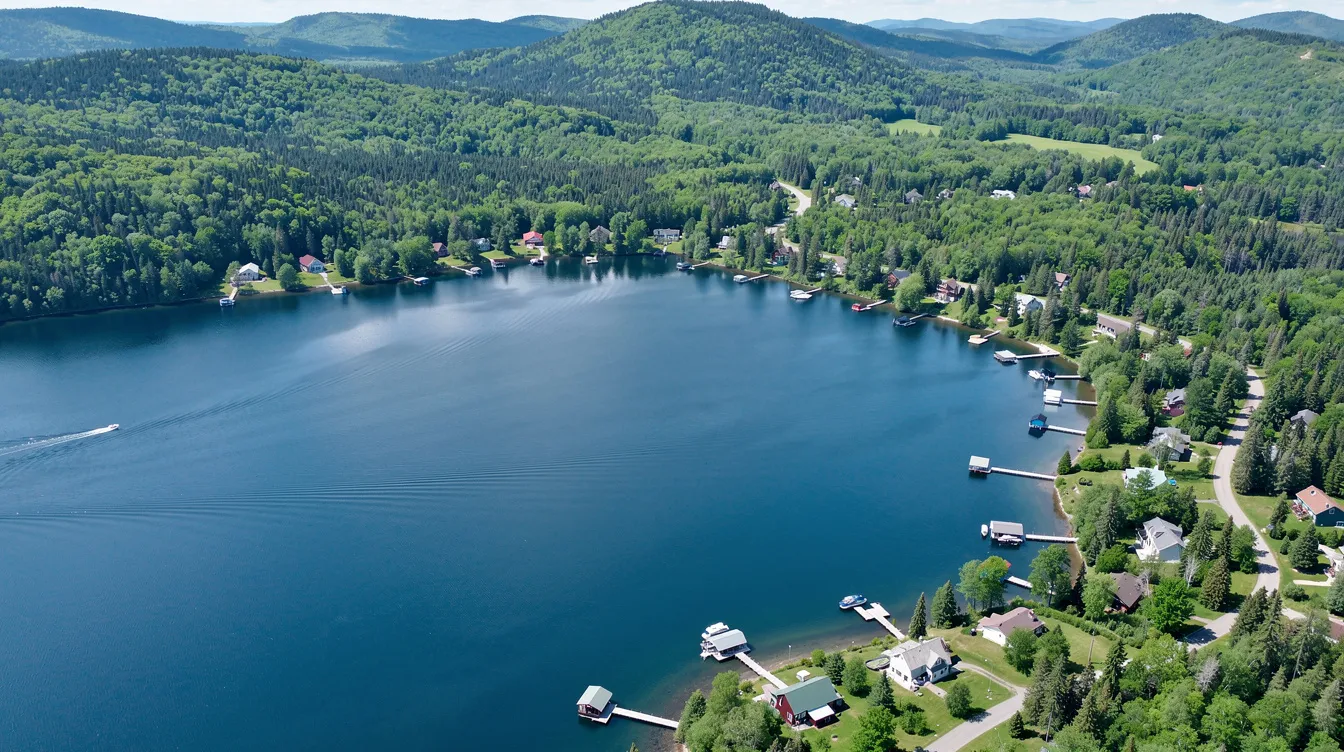
A lake management plan is an evolving document that identifies goals and action items for creating, protecting, and maintaining desired conditions in a lake and its watershed for a specified period of time.
A lake and watershed management plan is a living document that sets goals, timelines, and accountability for the entire drainage area. These plans typically span 5–10 years with annual reviews.
The planning process follows established phases. Phase I involves diagnostic data gathering—monthly water sampling, benthic surveys, and public meetings with lake associations, townships, and conservation commissions. Phase II shifts to implementation, budgeting, and assigning responsibilities.
Lake stakeholders in the Northeast typically include municipal boards, conservation commissions, marinas, angling clubs, and regional agencies across NY, VT, NJ, and Ontario.
Types of Lake Management Plans
There is no one-size-fits-all plan. Plans are tailored to a water body's size, use, and specific problems.
Comprehensive lake management plans cover water quality, habitat, fisheries, recreation, and land use over 8–10 years, with updates completed biennially.
Aquatic plant management plans govern 3–5 year cycles of mechanical mechanical, manual, chemical, biological and cultural management actions.
Aquatic invasive species (AIS) plans target Northeast threats:
- Eurasian watermilfoil (forms dense mats)
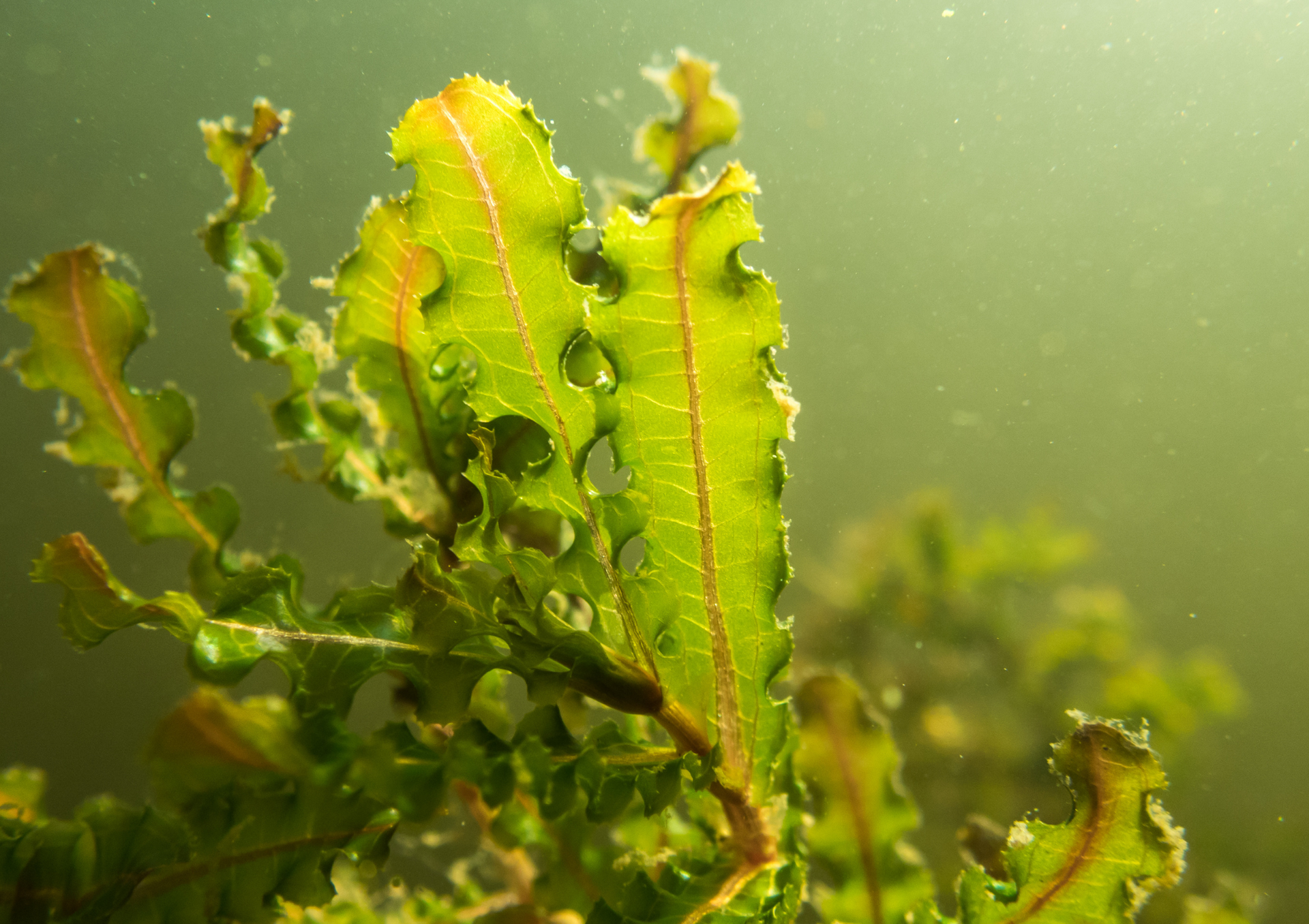
- Curlyleaf pondweed (forms dense mats)
- Water chestnut (can cover 90% of surface)
- Hydrilla (forms thick surface mats)
Additional plans may address recreation access, water quality improvement, or specific watershed conditions depending on local interests.
Core Lake Management Tools & Strategies
Nutrient Management
- Alum and Lanthanum bind phosphorus in water and in sediment for multiple years.
- Addresses internal nutrient loading driving algae growth
Aeration & Circulation
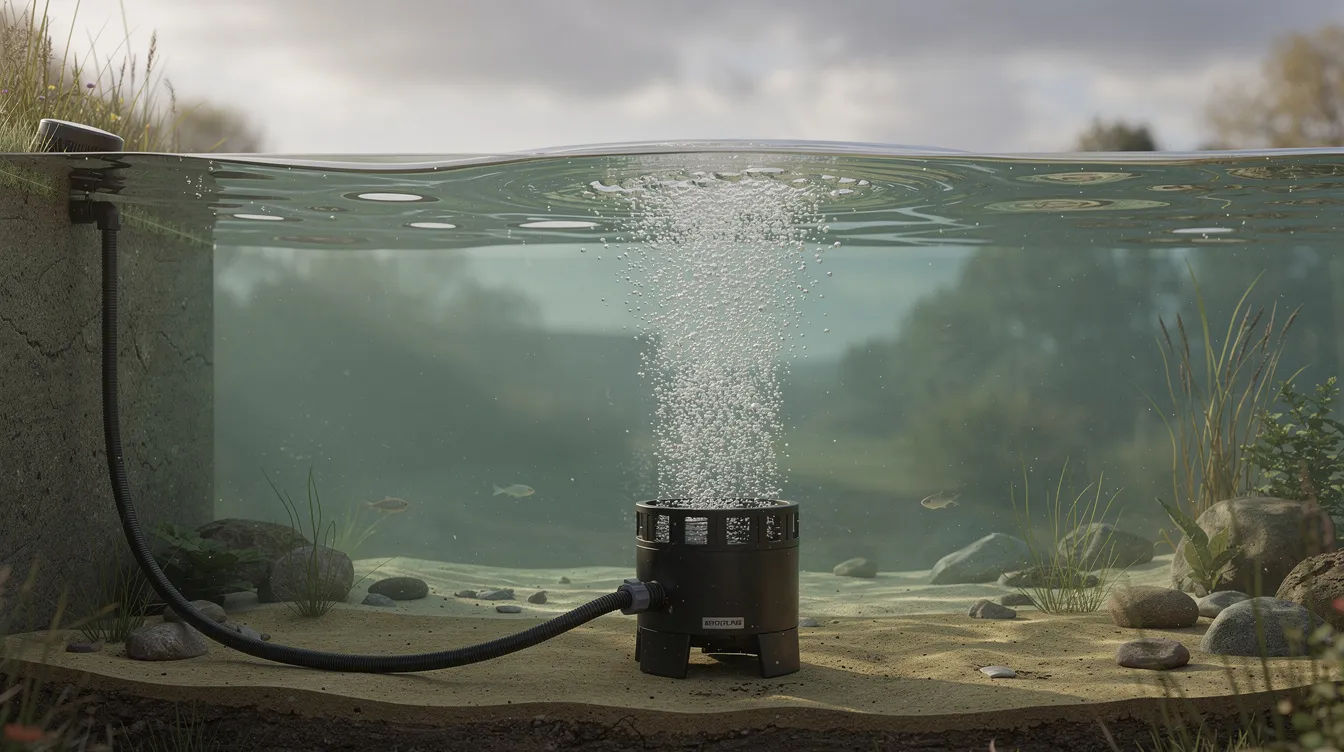
- Diffusers (1–2 hp/acre) boost dissolved oxygen above 5 mg/L
- Professionally designed submerged aeration systems reduce internal phosphorus release by 50–80%
Aquatic Plant Control
- Mechanical harvesting: 2-2.5 acres/day capacity
- Broad spectrum or selective herbicides
- Hand-pulling for limited invasive patches
- Drawdowns can control or delay some shoreline plant species
Watershed-Scale Controls
- Shoreline buffers (50–100 ft native vegetation) trap 60–90% of sediment and nutrients
- Rain gardens achieve 10-80% pollutant removal
- Detention basins reduce phosphorus by 50–70%
All strategies should pair with clear monitoring goals over a 3–5 year period.
Lake & Stream Projects: Real-World Examples (2024–2026)
Concrete examples help stakeholders visualize active management programs.
900-Acre Recreational Lake, Upstate NY
A comprehensive management plan launched in 2024 with baseline testing showing TP at 25 µg/L and Secchi depth of 2.5m. Phase II began in 2025 with alum dosing and shoreline buffer development, projecting 40% clarity improvement by 2030.
400-Acre Valley Lake, Vermont
Phase I diagnostics (water quality monitoring, milfoil surveys via eDNA) finished in 2024. Phase II implementation—shoreline buffers on 20% of shoreline and milfoil suction dredging—began 2025, reducing AIS cover from 15% to under 5%.
40-Acre Headwater Lake, Northern NJ
Annual mechanical harvesting (10 acres/season) plus hand-pulling maintains less than 10% nuisance coverage in a 5-year aquatic plant management cycle.
Watershed Project, Ontario
Stream bank stabilization along 5 km using willow fascines and rock vanes cut total suspended solids by 65% while enhancing flood resilience.
Pond Management: Small Waters, Big Impact
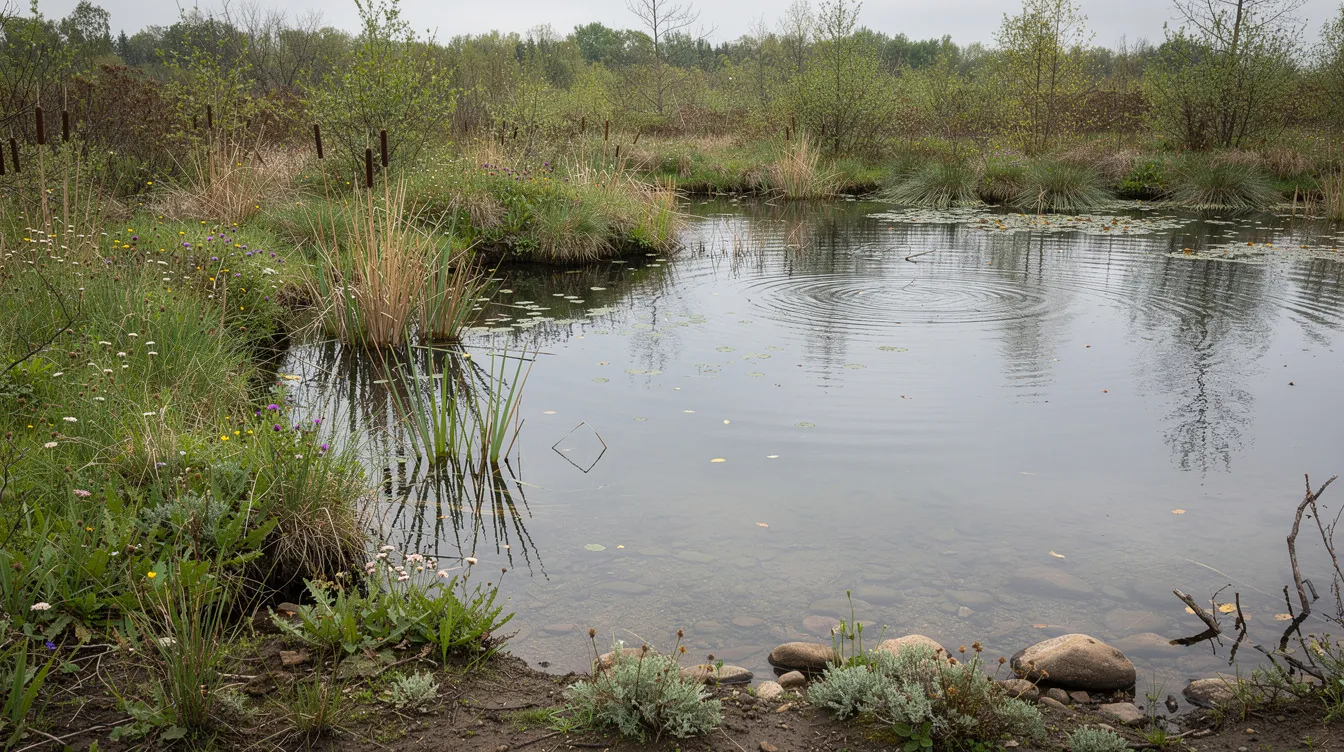
Ponds (often 0.25–5 acres) are common in residential communities, golf courses, farms, and commercial properties. They can degrade quickly without active management.
Key pond issues include:
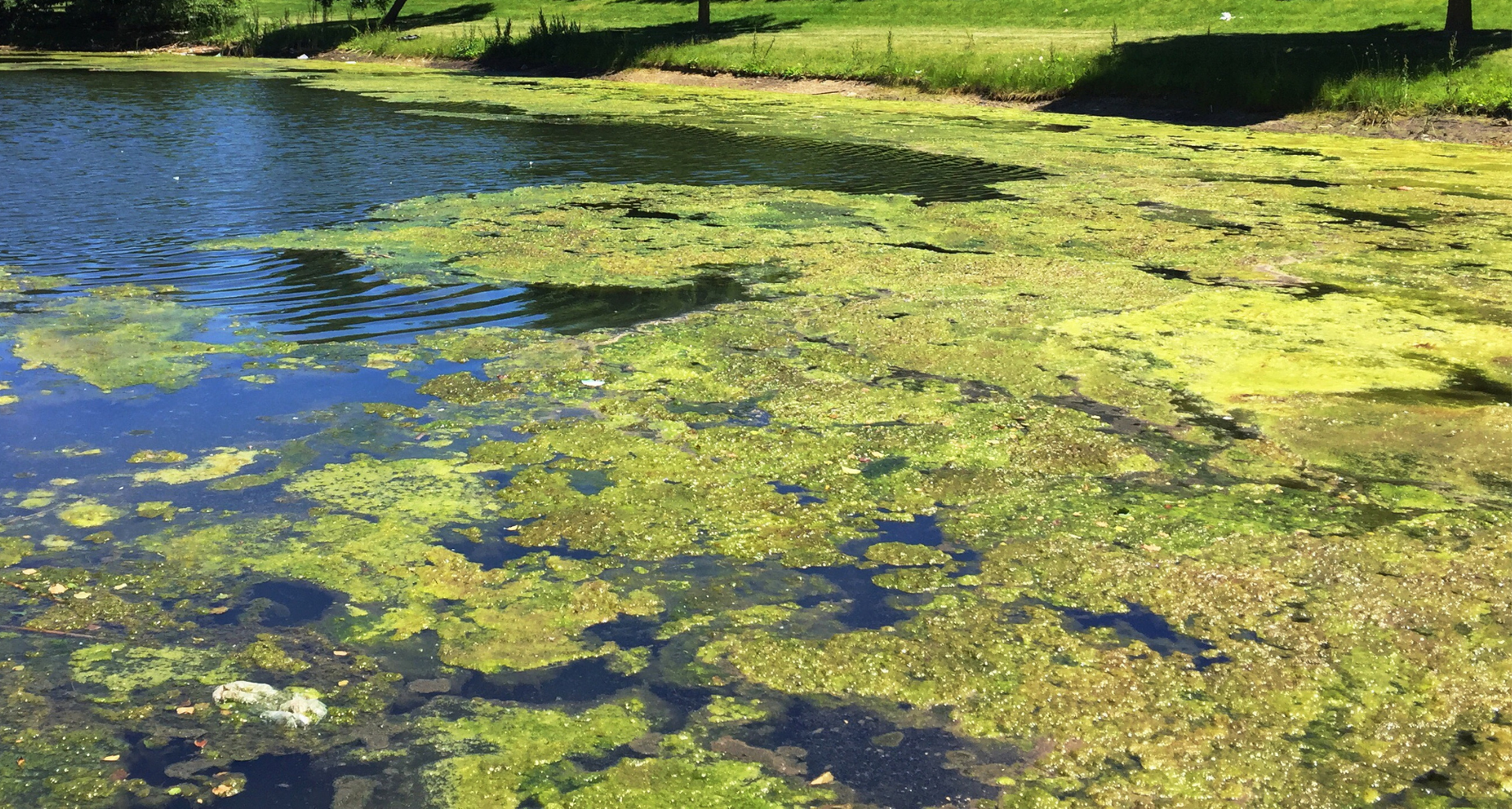
- Algae blooms and nuisance odors
- Muck build-up (1–3 ft per decade)
- Fish kills from low dissolved oxygen
- Shoreline erosion
- Invasive plants like duckweed
Typical pond management tasks:
- Bottom aeration (0.5–1 hp/acre)
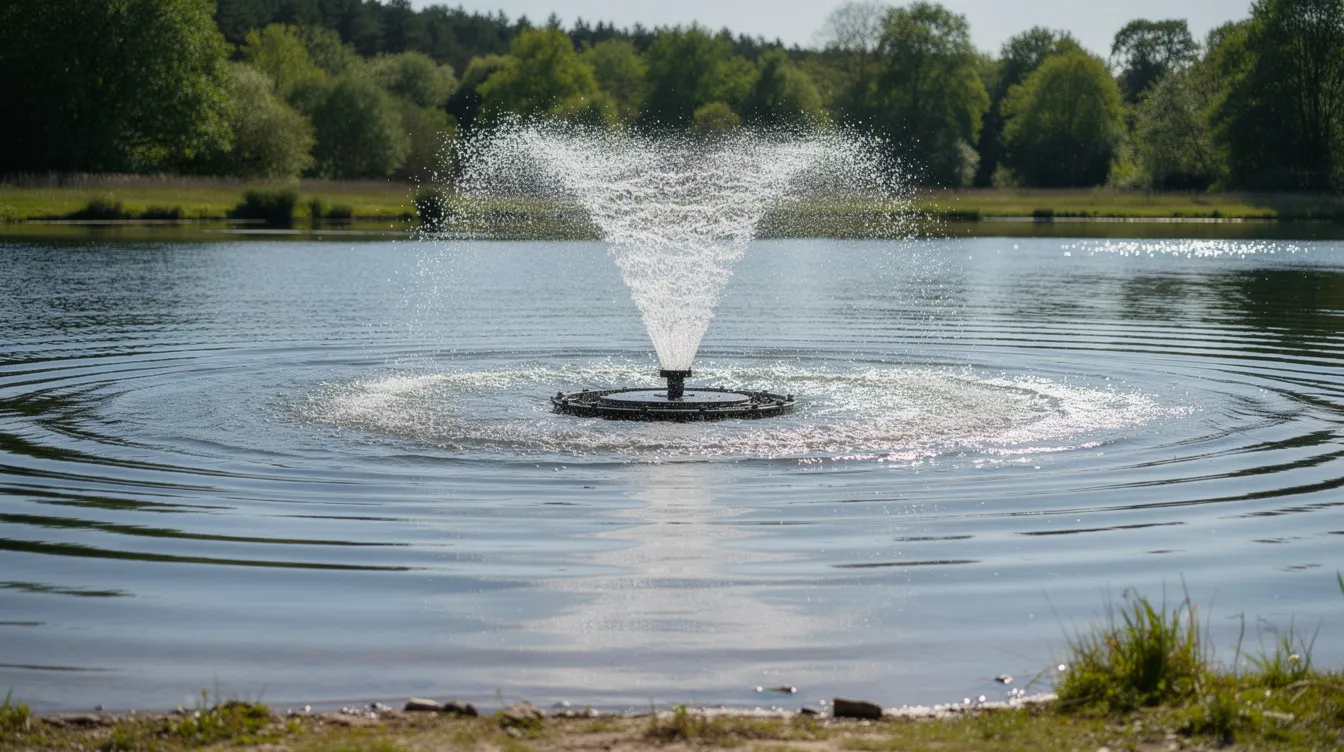
- Fountain installation for circulation
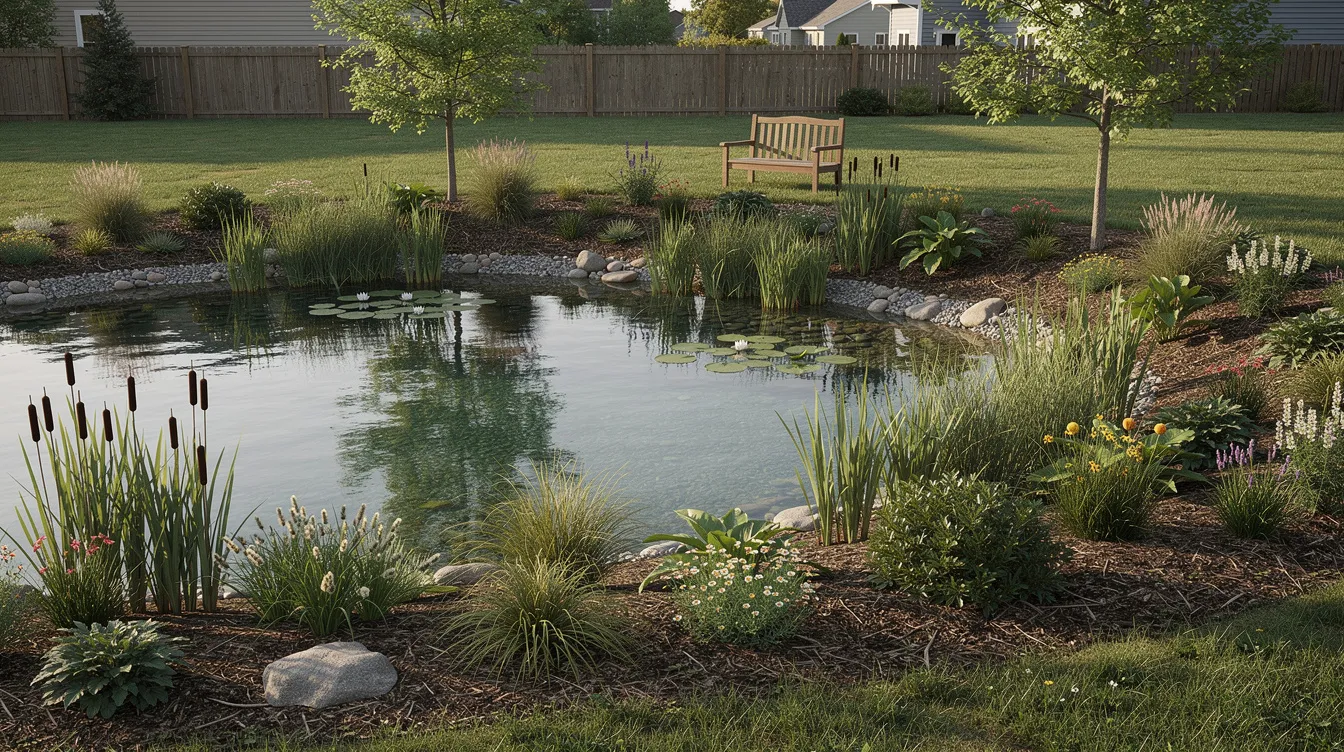
- Shoreline restoration with beneficial plantings
- Fish stocking at recommended ratios (50 bluegill:10 bass/acre)
- Nutrient reduction through biological methods
Pond management plans differ from lake plans—shorter response times, more direct control, and quarterly or bi-annual reviews. Ready Scout offers comprehensive lake and pond consulting and management programs tailored for HOAs, corporate campuses, agricultural ponds, and private estates.
Model Ordinances, Regulations & Permitting
Successful lake management must comply with state, provincial, local, federal, and county review where applicable. Common ordinance topics include floodplain zoning, shoreland setbacks, stormwater controls, erosion standards, and fertilizer restrictions, along with requirements that may apply to wetland and invasive species control projects as you plan how to manage a waterbody and its ongoing maintenance.
Permits may be required for:
- Herbicide applications, including chemicals or pesticide applications in ponds, which may require permits and, where applicable, Aquatic Nuisance Control permits
- Dredging (>10 cubic yards), which may also require authorization under local wetland rules and from the Army Corps of Engineers
- Mechanical harvesting
- Dam repairs and culvert replacements
Construction of a private pond involves multiple regulatory considerations, and ponds over 20 acres may need Lake Encroachment Permits.
Permitting timelines range from 3–12 months. Working with experienced consultants like Ready Scout helps coordinate applications and ensure compliance across jurisdictions, especially where wetlands protection regulations and permitting add complexity.
Monitoring, Data Collection & Adaptive Management
Adaptive management uses new data each season to refine strategies. Typical monitoring includes water clarity, temperature profiles, dissolved oxygen, phosphorus, nitrogen, chlorophyll-a, and detailed aquatic plant mapping and water quality monitoring.
Recommended schedules:
- Large lakes: Monthly sampling May–September
- Ponds: Seasonal checks minimum
Comparing current data against baselines tracks progress toward goals. Ready Scout can set up monitoring programs, interpret reports for non-technical stakeholders, and periodically evaluate results to adjust actions annually.
Stakeholder Engagement & Communication
Public involvement is essential—local lake users catch problems early, build political support, and help secure funding, while lake community self-sufficiency consulting can strengthen preparedness for disruptions.
Effective engagement tools:
- Public workshops and lakeshore walks
- Online dashboards and newsletters
- Annual “state of the lake” meetings
- Social media updates
Inclusive participation brings together shoreline homeowners, seasonal residents, anglers, boaters, business owners, and youth groups. Forming or strengthening lake associations with clear roles, bylaws, and leadership succession ensures long-term success.
How Ready Scout Supports Lake & Pond Management
Ready Scout provides end-to-end professional lake consulting and management services from planning and permitting through implementation and monitoring.
Core services include:
- Lake and watershed management plans
- Aquatic plant management and AIS control
- Water quality monitoring programs
- Stormwater and erosion solutions
- Shoreline restoration
- Pond management programs
Ready Scout collaborates with lake associations, municipalities, and private owners, working with each landowner to set clear goals that match project expectations, realistic timelines, and funding strategies while helping preserve long-term lake and pond health. The team, led by a Certified Lake Manager with over 30 years of experience, handles data collection, plan writing, stakeholder meetings, and proactive management and maintenance tailored to each site, so volunteer boards aren't overwhelmed.
Services scale from modest pond programs ($10K/year) to comprehensive lake management ($200K+ for large public resources).
Ready Scout Service Areas: Northern NJ, NY, VT & Ontario
Ready Scout actively serves Northern New Jersey and upstate New York, Vermont, and Ontario, Canada.
Northern New Jersey: Suburban HOA ponds, hillside reservoirs, and headwater lakes where erosion and stormwater are primary concerns.
New York: Large recreational lakes, Finger Lakes-style systems, and private lakes with mixed boating, angling, and rental uses.
Vermont: Clear but sensitive mountain and valley lakes with strong local focus on habitat protection and low-impact recreation.
Ontario: Cottage-country lakes and agricultural watershed ponds requiring coordinated management for nutrients, AIS, and shoreline development.
Partnering with Ready Scout on Your Lake or Pond
Getting started is straightforward:
- Initial conversation and site review – Discuss your water body's history and concerns
- Data and history audit – Review existing reports and natural resources assessments
- Field assessment – On-site evaluation (1–2 days)
- Draft management plan – Develop goals, methods, and timelines
- Stakeholder review – Conduct public meetings and gather feedback
- Multi-year implementation – Execute the plan with annual adaptive adjustments
Ready Scout can step in at any stage—whether starting from scratch or updating a plan developed 10–15 years ago. The team coordinates across multiple jurisdictions for complex lakesheds spanning state or provincial boundaries.
Before reaching out, gather existing reports, photos, and lake association documents to accelerate planning and benefit from reduced costs.
Frequently Asked Questions About Lake Management: Comprehensive Guide to Healthy Lakes & Ponds
How long does it take to create a lake management plan?
Creating a lake management plan typically takes between 2 to 12 months depending on the size of the waterbody and the complexity of data needed. Simple pond plans can often be completed in 2–3 months, while comprehensive lake and watershed plans for larger lakes may require 6–12 months, especially if a full year of baseline monitoring is necessary.
What does a typical annual lake management budget look like?
Annual budgets vary widely based on lake size and management needs. Small ponds (1–3 acres) may require $5,000–$20,000 per year, while larger lakes with multiple stakeholders can involve $50,000–$500,000 annually. Budgets typically cover monitoring, treatments, maintenance, and stakeholder engagement.
How often should we update our lake or pond management plan?
Management plans should be reviewed annually and formally updated every 5–10 years. Updates may be needed sooner if watershed conditions change significantly due to development, new local regulations, or invasive species outbreaks. Adaptive management allows interim adjustments without rewriting the entire plan.
Is chemical treatment always necessary for algae and weed control?
Chemical treatments are one tool among many and are not always required. Many lakes and ponds benefit first from nutrient reduction, aeration, and shoreline buffers. When herbicides or algaecides are used, they should be targeted, permitted, and integrated into a broader, long-term management strategy.
Can Ready Scout help if our lake spans multiple towns or jurisdictions?
Yes. Ready Scout regularly works on lakes and watersheds crossing municipal, county, state, or provincial boundaries in Northern New Jersey, New York, Vermont, and Ontario. Our experienced team facilitates joint meetings, aligns management goals, and coordinates with regulatory agencies to support complex multi-jurisdictional projects.
Smart Clean Water Management: How Ready Scout Uses Smart Water Technology to Protect Lakes and Ponds