Improving Overall Waterbody Health and Stability with Submersed Diffused Aeration
Key Takeaways
- Maintaining adequate dissolved oxygen with a properly designed aeration system is the single most effective way to prevent fish kills and reduce algal blooms in lakes and ponds.
- Submersed diffused air injection systems oxygenate the entire water column from the pond bottom upward, targeting the oxygen deficient water that surface devices cannot reach.
- Diffused aeration supports beneficial bacteria that naturally digest organic muck, stabilize water quality, and expand habitat for aquatic life, invertebrates, and sport fish.
- Aeration works best as the backbone of an integrated management approach that also addresses nutrient loading, invasive species, and watershed practices.
- Ready Scout, LLC provides comprehensive lake and pond management services, including consulting, design, installation, and monitoring for aeration and water quality management across northern New Jersey, upstate New York, Vermont, and southern Ontario.
Introduction: Why Waterbody Health and Stability Depend on Oxygen
Every pond and lake is, at its core, an oxygen-driven system. Dissolved oxygen fuels the fish you stock, the beneficial bacteria that break down organic matter, and the invertebrates that keep the food web functioning. When oxygen levels collapse, the consequences are immediate and visible: fish kills, foul odors, thick algal blooms, and water that no one wants to swim in or look at. Improving overall waterbody health and stability starts with understanding this single variable and then building management around it.
"Waterbody health" means clear water, balanced aquatic species, minimal nuisance algae, and a low risk of catastrophic events like summer or winter fish kills. In unmanaged ponds across New Jersey, New York, Vermont, and Ontario, the pattern is familiar: organic muck accumulates on the pond bottom, strong sulfur odors develop by mid-summer, filamentous algae covers the surface, and eventually a fish kill event forces an emergency response. These symptoms share a common root cause-inadequate dissolved oxygen in the water column.
Submersed diffused air injection, often called bottom diffused aeration, is the central technology that ties together water quality improvement, biological stability, and physical resilience. Effective waterbody restoration targets root causes of degradation rather than just treating symptoms, and a well-designed aeration system does exactly that. At Ready Scout, aeration is often the first and most important infrastructure upgrade we recommend to clients because it creates the foundation on which every other management tool performs better.
Understanding Dissolved Oxygen: The Foundation of Water Quality
Dissolved oxygen is simply oxygen gas held in solution within water. It enters through the atmosphere at the surface, through photosynthesis by aquatic plants and algae during sunlight hours, and through mechanical mixing. Most dissolved oxygen in a pond is produced or absorbed within the top few feet, which means deeper subsurface waters can become critically low unless actively circulated.
The thresholds matter. Ponds need at least 5 ppm dissolved oxygen for fish health. Here is how the ranges break down:
| Dissolved Oxygen Level | Condition | Biological Impact |
|---|---|---|
| < 3 mg/L | Critical stress | Fish kills likely; many aquatic organisms cannot survive |
| 3–5 mg/L | Marginal | Chronic stress on warm-water fish; cold-water species severely affected |
| 5–8 mg/L | Acceptable | Supports most warm-water aquatic life |
| 8–12+ mg/L | Excellent | Optimal for growth, reproduction, and diverse species |
Dissolved oxygen levels are inversely related to water temperature. As summer heating raises water temperatures, the water physically holds less oxygen at the same time that fish and bacteria consume oxygen at higher rates. This creates a dangerous squeeze, especially in nutrient-rich water bodies where algae and bacteria demand more oxygen than the water can supply.
Daily oxygen cycles add another layer of risk. During the day, algae produce oxygen through photosynthesis. At night, those same algae consume oxygen through respiration, along with every fish, invertebrate, and bacterium in the lake or pond. The result is that dissolved oxygen levels hit their lowest point near dawn-often the exact window when fish kills occur. Water bodies should maintain pre-dawn oxygen levels of 5 ppm to avoid chronic stress.
When a lake stratifies-warm, lighter water sitting on top of cold, denser water at the bottom-the hypolimnion can become a dead zone with near-zero dissolved oxygen. Without adequate aeration, this oxygen depletion builds invisibly until a sudden mixing event brings that toxic bottom water to the surface. Ready Scout routinely measures dissolved oxygen profiles during site visits to diagnose these hidden risks before visible fish kills occur.
Thermal Stratification, Turnover, and Their Impact on Lake Stability
Lakes and ponds in New Jersey, New York, Vermont, and Ontario typically stratify from late spring through early fall. Solar heating warms the surface layer while deeper water remains cold, and because warm water is less dense, it floats on top. Over weeks, the temperature difference strengthens into a barrier that blocks vertical mixing entirely.
The layers have specific names. The epilimnion is the warm, wind-mixed surface zone. The metalimnion (or thermocline) is the transition zone where temperature drops sharply with depth. The hypolimnion is the cold bottom layer. Because the hypolimnion is cut off from the atmosphere and receives no sunlight for photosynthesis, bacteria that decompose organic material on the bottom consume the available oxygen without replenishment. The result: oxygen levels at depth can fall to zero.
Fall and spring turnover events occur when air temperature changes cause surface water to cool (or warm) until it matches bottom water density. The entire water column then mixes rapidly. If the hypolimnion has been anoxic for months, that sudden mixing floods the whole water body with oxygen-poor, nutrient-laden water. Fish that were already stressed by warm summer temperatures can immediately begin dying. Summer fish kills can occur when waters exceed 85°F (29°C), but turnovers following cold fronts or large rain events are another common "mystery" cause of fish kill reports we receive at Ready Scout.
Well-designed diffused aeration intentionally weakens stratification in small to medium water bodies. Research at Lake Carmi, Vermont demonstrated this clearly: summer mean Schmidt Stability (a measure of a lake's resistance to mixing) dropped from approximately 40.1 J/m² before aeration to just 9.4 J/m² with the aeration system running. Less stratification means less severe turnovers and more stable conditions year-round.
Common Symptoms of an Unstable or Unhealthy Lakes
If you manage a pond or lake, you may already recognize some of these warning signs. They tend to build gradually before producing a crisis event.
Visual symptoms:
- Recurring pea-soup green water or brown, turbid conditions
- Thick surface scums, especially blue-green cyanobacteria mats
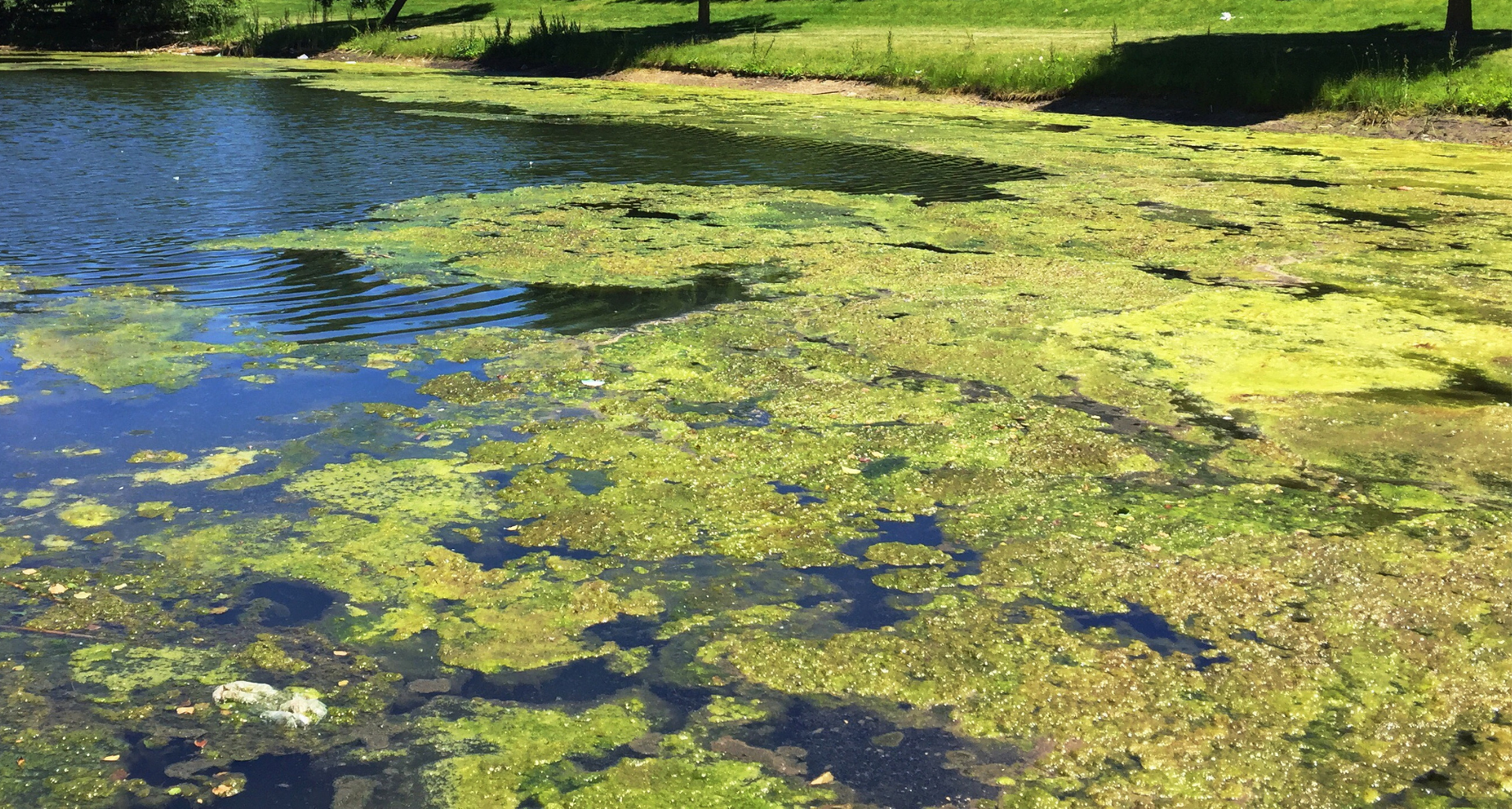
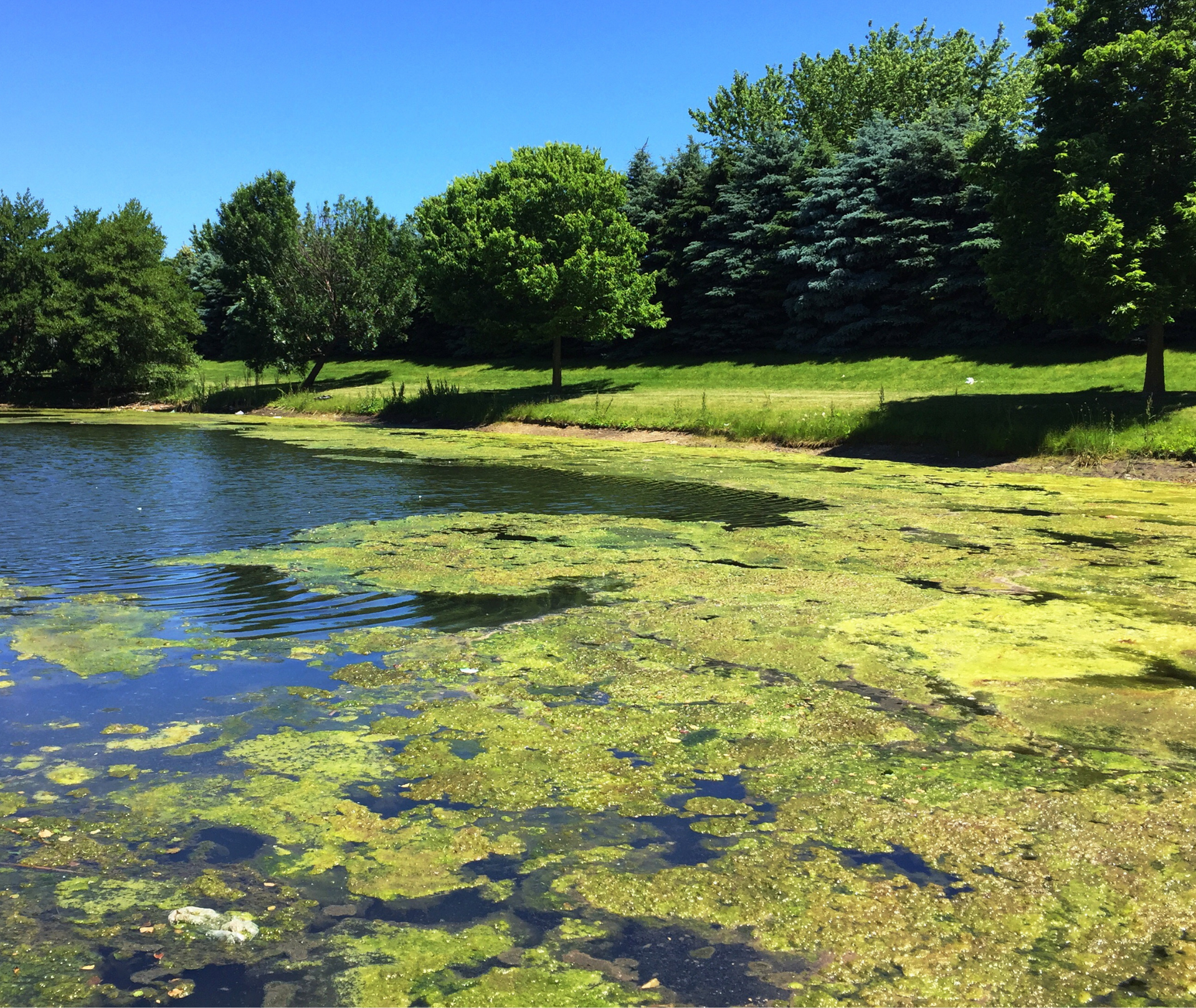
- Floating filamentous algae mats-filamentous algae can appear as green mossy mats or slime across the surface
- Oily sheens from decaying organic material
- Strong sulfur or "rotten egg" odors, especially near shore
Biological symptoms:
- Fish gulping at the surface near dawn, a sign they cannot find adequate oxygen below
- Disappearance of sensitive aquatic species like trout or certain invertebrates
- Sudden fish kills after storms, heat waves, or herbicide treatments
- Birds and waterfowl congregating in unusual numbers, feeding on stressed or dead fish
Physical and chemical symptoms:
- Black, anoxic muck accumulating on the pond bottom
- Steep oxygen gradients with near-zero dissolved oxygen at depth while surface water tests normal
- Very low water clarity, with Secchi depth under 1–2 feet
- Elevated phosphorus and nitrogen in water samples
Ready Scout can assess and confirm these issues using field meters, water chemistry panels covering nutrients, pH, and alkalinity, along with sediment probing to assess muck depth.
How Excess Nutrients and Algal Blooms Destabilize Waterbodies
Nutrient enrichment is the engine behind chronic instability. Phosphorus and nitrogen enter ponds from lawn fertilizer, agricultural runoff, septic leaching, stormwater, and even waterfowl waste. Once these excess nutrients accumulate, they fuel explosive growth of algae and aquatic plants that push dissolved oxygen into wild swings between daytime highs and dangerous overnight lows.
Algae require nutrients and sunlight to grow aggressively, and a nutrient-rich pond provides the perfect conditions. When a large algal bloom dies off-whether naturally or after a herbicide application-the resulting mass of organic matter is consumed by bacteria. Those bacteria consume oxygen at enormous rates, stripping dissolved oxygen from the water column. A single bloom-crash cycle can drop oxygen levels low enough to trigger a fish kill in hours.
Effective aquatic ecosystem management requires watershed-scale approaches because nutrient sources are rarely limited to the water body itself. Preventing agricultural runoff limits nutrient loading and algal blooms. Minimizing phosphorus and nitrogen input through fertilizer management, buffer plantings, and stormwater controls is critical for nutrient management and long-term pond stability.
Even when blooms appear seasonal, repeated bloom-crash cycles damage long-term aquatic life health and accelerate organic muck accumulation. Each cycle deposits more dead algae on the bottom, increasing future oxygen demand and releasing more nutrients back into the water-a self-reinforcing loop that worsens without intervention.
Aeration alone cannot fix major nutrient loading, but it greatly reduces bloom severity when combined with source control and beneficial bacteria treatments. By maintaining dissolved oxygen through the entire water column, diffused aeration keeps the aerobic conditions that prevent internal nutrient recycling from anoxic sediments.
The Role of Beneficial Bacteria in Muck Reduction and Water Clarity
Every healthy pond contains communities of aerobic bacteria that function as nature's cleanup crew. These organisms break down leaf litter, dead algae, fish waste, and other organic matter into simpler compounds. The catch is that they need dissolved oxygen to do their work. When oxygen disappears from the pond bottom, these bacteria are replaced by anaerobic organisms that produce hydrogen sulfide, methane, and other byproducts that make sediments smell terrible and release phosphorus back into the water.
Bacterial additions can safely decompose organic sludge and excess nutrients when paired with a functioning aeration system. Aerobic beneficial bacteria convert ammonia to nitrate, break down organic sediments, and reduce the internal nutrient recycling that fuels future algal blooms. Beneficial bacteria can reduce excess nutrients in ponds over time.
Ready Scout often pairs submersed diffused aeration with targeted beneficial bacteria and enzyme programs for accelerated muck reduction as part of integrated lake and pond management strategies. Unlike quick-fix chemical treatments, bacterial approaches are gradual but create more stable, self-regulating waterbody conditions over multiple seasons. Think of the aeration system as the infrastructure and the bacteria program as the workforce-neither is as effective alone as the two are together.
Why Submersed Diffused Air Injection Systems Are So Effective
Submersed diffused air injection systems are the primary focus of this article because they offer the most comprehensive benefits for deeper ponds and small lakes. Understanding how these systems work is essential for anyone considering an aeration investment.
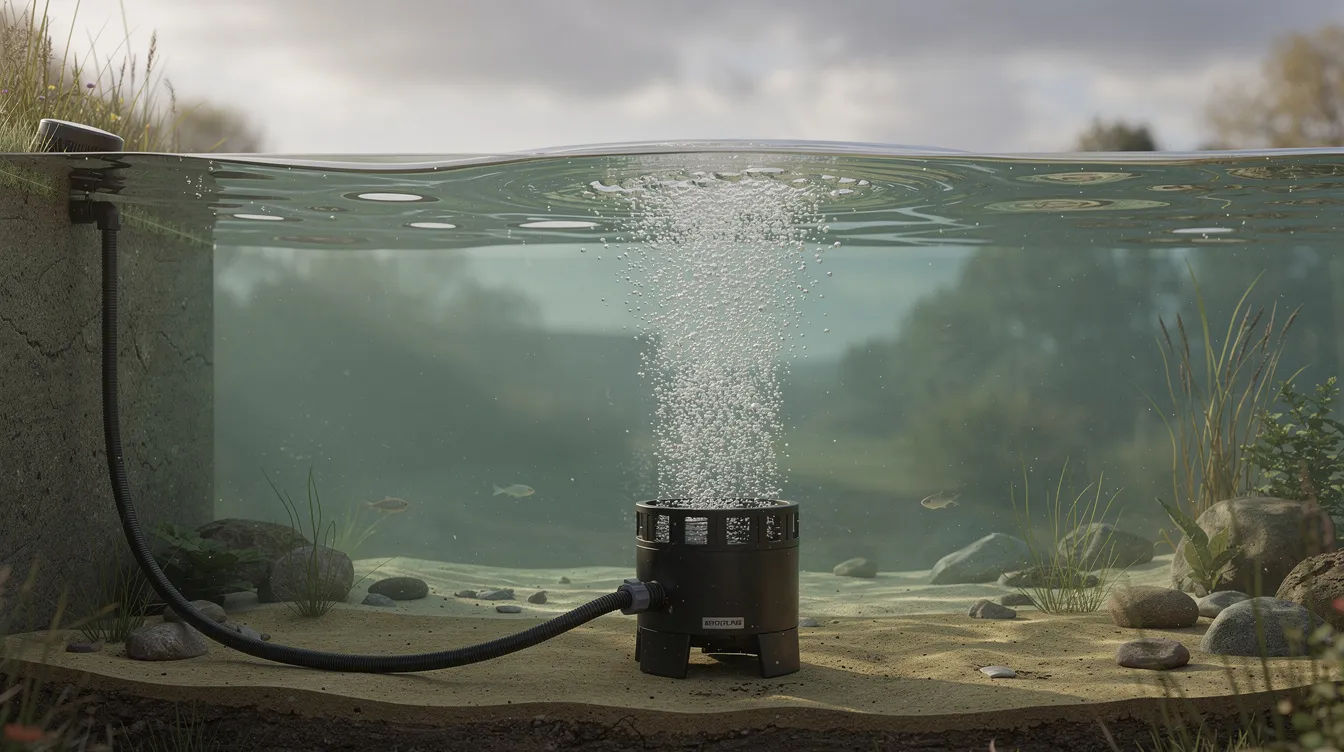
The mechanism is straightforward. An on-shore compressor pushes air through weighted airlines to diffusers positioned on the pond bottom. These diffusers release fine bubbles that rise through the water column. As the bubbles ascend, they entrain low-oxygen bottom water and pull it to the surface, where it contacts the atmosphere, absorbs oxygen, and circulates back downward. The result is increased dissolved oxygen throughout the entire water column, from surface to sediment.
Submersed diffused aeration systems oxygenate lower depths of lakes and ponds, which is exactly where oxygen deficient water accumulates. Diffusers use air pumps to circulate this bottom water upward, and aeration systems increase oxygen levels in water bodies with measurable results. In Lake Carmi, Vermont, bottom water dissolved oxygen improved from an average of 0.77 mg/L before aeration to 3.96 mg/L during aeration summers-a statistically significant improvement.
Unlike surface fountains, diffused aeration targets the hypolimnion directly and reduces stratification, internal nutrient release, and deep-water anoxia. Research confirms that fine-bubble diffused aeration provides approximately 3.7–4 kg O₂ per kilowatt-hour compared to roughly 1.5–2 kg O₂/kW-hr for mechanical surface aerators-a substantial efficiency advantage.
Ready Scout designs and installs aeration systems as part of its professional lake consulting services, basing diffuser layouts on bathymetry, pond geometry, and ecological goals, not just surface area. This site-specific approach ensures that every diffuser is working where it matters most.
Key Benefits of Diffused Lake Aeration for Waterbody Health
A balanced ecosystem-based approach improves waterbody health and stability, and diffused aeration is the cornerstone of that approach. Here are the specific benefits tied to improved stability:
- Uniform dissolved oxygen throughout the water column. Fish, invertebrates, and beneficial bacteria gain access to the full water body volume instead of being squeezed into a narrow surface layer during summer. This supports a wider range of aquatic life and reduces stress during heat waves.
- Reduced risk of catastrophic fish kills. Aeration prevents fish kills by maintaining dissolved oxygen levels above critical thresholds. By preventing severe oxygen stratification, the system also moderates the impact of turnover events that would otherwise crash oxygen levels lake-wide.
- Enhanced performance of beneficial bacteria. Consistent oxygen at depth means aerobic bacteria can work year-round on muck digestion, leading to clearer water and lower internal nutrient recycling that fuels algal blooms.
- Stabilized temperature and oxygen profiles. More predictable habitat conditions support sport fish growth and reproduction while also benefiting invertebrates that serve as natural food sources and organic matter processors.
- Decreased hydrogen sulfide and methane production. Properly sized aeration systems prevent unhealthy water circulation patterns that allow anoxic sediments to generate these noxious gases. The result is reduced odors and lower corrosion risk for docks, pipes, and other infrastructure.
- Gradual muck reduction. Over multiple seasons, sustained aerobic conditions at the pond bottom accelerate natural decomposition of accumulated organic material.
Comparing Diffused Aeration to Surface Fountains and Other Methods
Many pond owners first encounter aeration through decorative floating fountains. These devices spray water into the air, creating a visual display while oxygenating and circulating the top few feet of surface water. For shallow ponds with aesthetic priorities, fountains serve a purpose. However, they do not reach the hypolimnion or address the root problem of oxygen depletion at depth.
Submersed diffused aeration works from the bottom up. It targets the deepest, most oxygen-depleted zones and creates whole-column circulation that fountains simply cannot replicate. In water bodies deeper than about 8 feet, this distinction is the difference between cosmetic improvement and genuine ecological recovery.
Ready Scout often recommends combined systems-diffused aeration plus decorative fountains-where both deep oxygenation and visual impact are desired by the client. Other tools have their roles as well. Mechanical harvesting removes aquatic weeds to prevent nutrient buildup. Chemical algaecides and phosphorus binders provide quick but temporary relief. Biomanipulation controls aquatic pests and algae by managing the food web. But diffused aeration remains the long-term, energy-efficient backbone of a comprehensive plan because it addresses the fundamental oxygen deficit that drives most water quality problems.
Designing the Right Aeration System for Your Pond or Lake
Sizing and layout directly determine whether an aeration system performs well or wastes energy. An undersized system fails to circulate the full volume. An oversized system in a shallow pond can resuspend sediments and create chronic turbidity. Effective aeration systems must be properly sized for water bodies to deliver results.
Key design variables include:
- Maximum and average depth
- Basin shape, including coves, islands, and irregular shorelines
- Total water volume
- Existing stratification patterns
- Current water quality and sediment conditions
- Target aquatic species (warm-water vs. cold-water fish)
Diffusers work best in water deeper than 6 feet, where the hydrostatic pressure and vertical distance create efficient oxygen transfer and strong circulation. Diffuser count and placement depend on water body depth and shape-deeper basins need fewer diffusers per acre because each diffuser circulates a larger volume of water through greater vertical lift.
Ready Scout uses depth surveys and bathymetric mapping to create site-specific aeration system designs, and shares additional educational resources on lake and wetland management to help clients understand these tools. We also account for safety and electrical considerations, including dedicated circuits, weather-resistant compressor enclosures, and noise management for systems near residential areas.
Placement and Zoning: Getting the Most from Every Diffuser
Even a well-sized aeration system can underperform if diffusers are poorly positioned. General best practice is to locate diffusers in the deepest zones of the lake or pond, where they maximize vertical lift and target the most oxygen-depleted water. Placing diffusers a few inches above the sediment surface-rather than directly on it-helps prevent stirring up settled material.
Complex shorelines, coves, or ponds with multiple basins may require separate diffuser "zones" to prevent stagnant pockets. A single cluster of diffusers in the center of a long, narrow pond will leave the far ends poorly circulated. Detailed lake maps with depths are essential for identifying these zones during the design phase.
Ready Scout field-verifies placement using depth measurements, oxygen profile data, and visual circulation patterns such as subtle surface upwelling above active diffusers. In very shallow ponds with an average depth under 6 feet, combining bottom diffusers with surface devices may be necessary to achieve mixing without chronic sediment resuspension.
Seasonal Operation: Spring Start-Up Through Winter Management
Operating schedules affect both stability and safety. Aeration systems should run continuously from spring to fall for maximum benefit, with adjustments at the seasonal transitions.
Spring start-up: In stratified water bodies, ramping up aeration gradually over 7–10 days prevents a sudden, full-column turnover that could cause a dissolved oxygen crash. Start with one diffuser zone and add zones incrementally as the temperature differential between surface and bottom narrows.
Peak summer: During July and August heat in the Northeast, 24/7 operation is typically recommended. This is when dissolved oxygen demand is highest, temperatures push stress thresholds, and the risk of oxygen depletion is greatest.
Fall transition: As air temperatures cool and natural turnover approaches, aeration helps moderate the mixing process, preventing the abrupt oxygen crashes that follow a cold front.
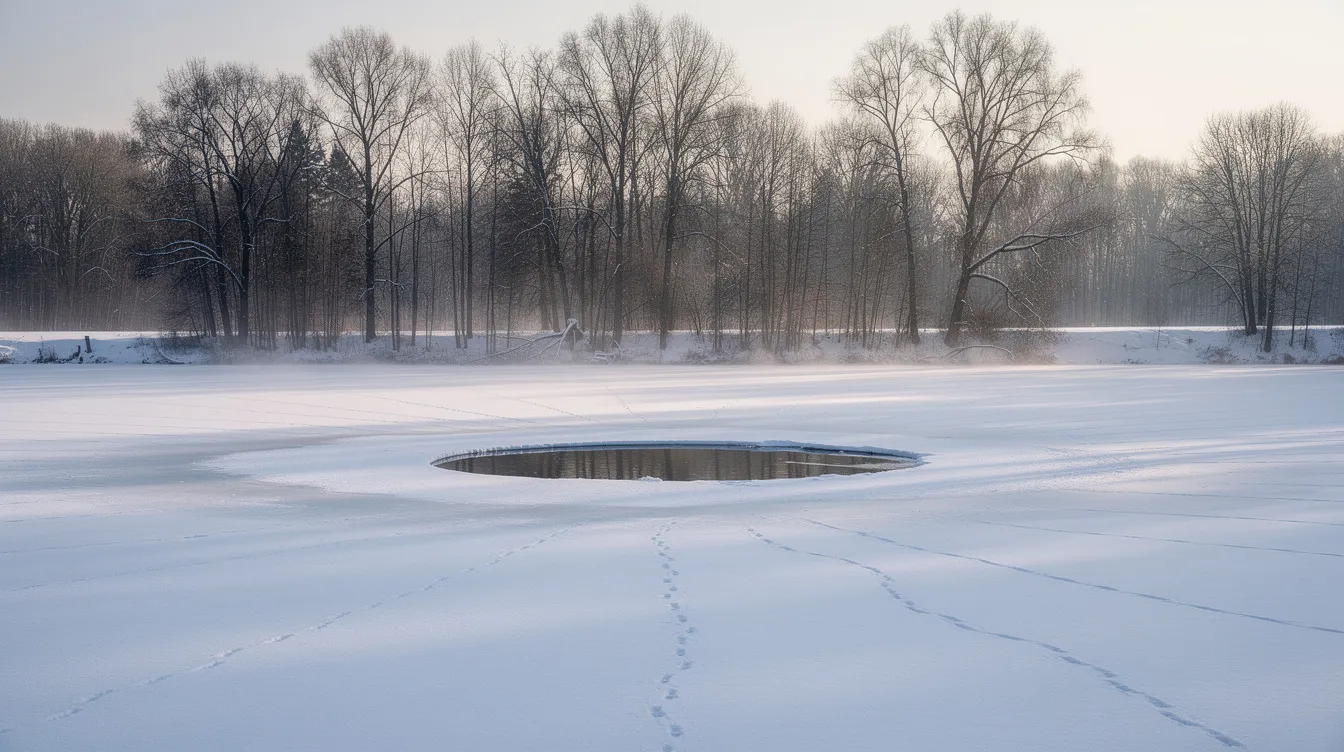
Winter management: In northern New Jersey, upstate New York, Vermont, and Ontario, winter aeration maintains small open-water areas that prevent severe under-ice oxygen depletion. This is critical for preventing winter fish kills in ponds that develop thick ice and snow cover. Open-water zones must be clearly marked for safety.
Buffer strips of 20 to 50 feet of native vegetation along the shoreline further reduce nutrient loading year-round, complementing the seasonal protection that aeration provides.
Integrating Aeration with Watershed and Shoreline Management
Aeration works best when combined with nutrient and erosion controls that address the sources of degradation, not just the symptoms.
Land-based practices play an important role in long-term pond stability:
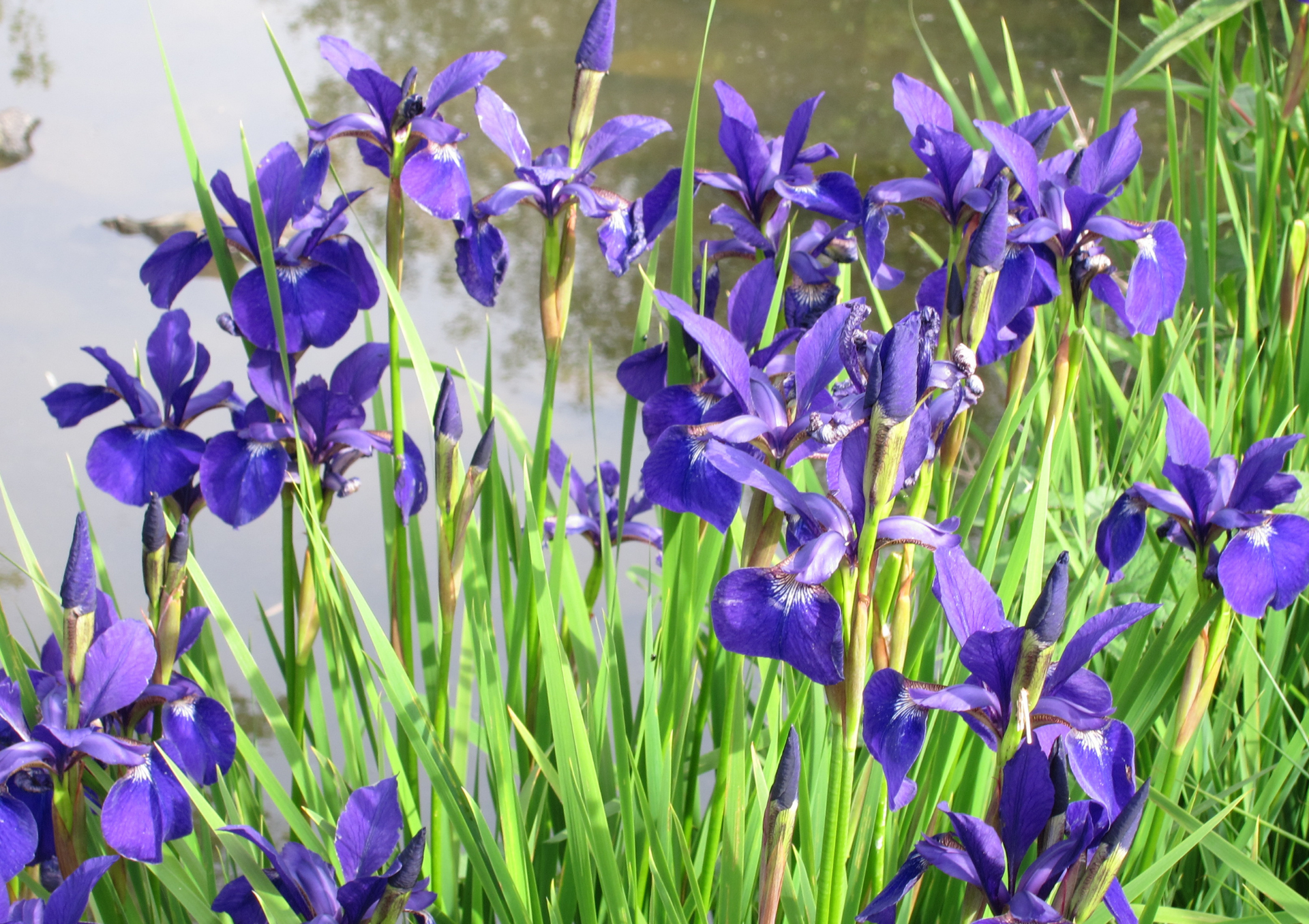
- Shoreline buffers: Establishing shoreline buffers minimizes sediment entry and nutrient runoff. Native grasses, shrubs, and trees filter stormwater before it reaches the pond. Riparian vegetation restores habitat and filters pollutants.
- Fertilizer management: Reducing or eliminating fertilizer application within the buffer zone directly cuts phosphorus and nitrogen inputs.
- Stormwater controls: Redirecting downspouts, installing rain gardens, and stabilizing bare soils prevent concentrated flow from carrying sediment into the water.
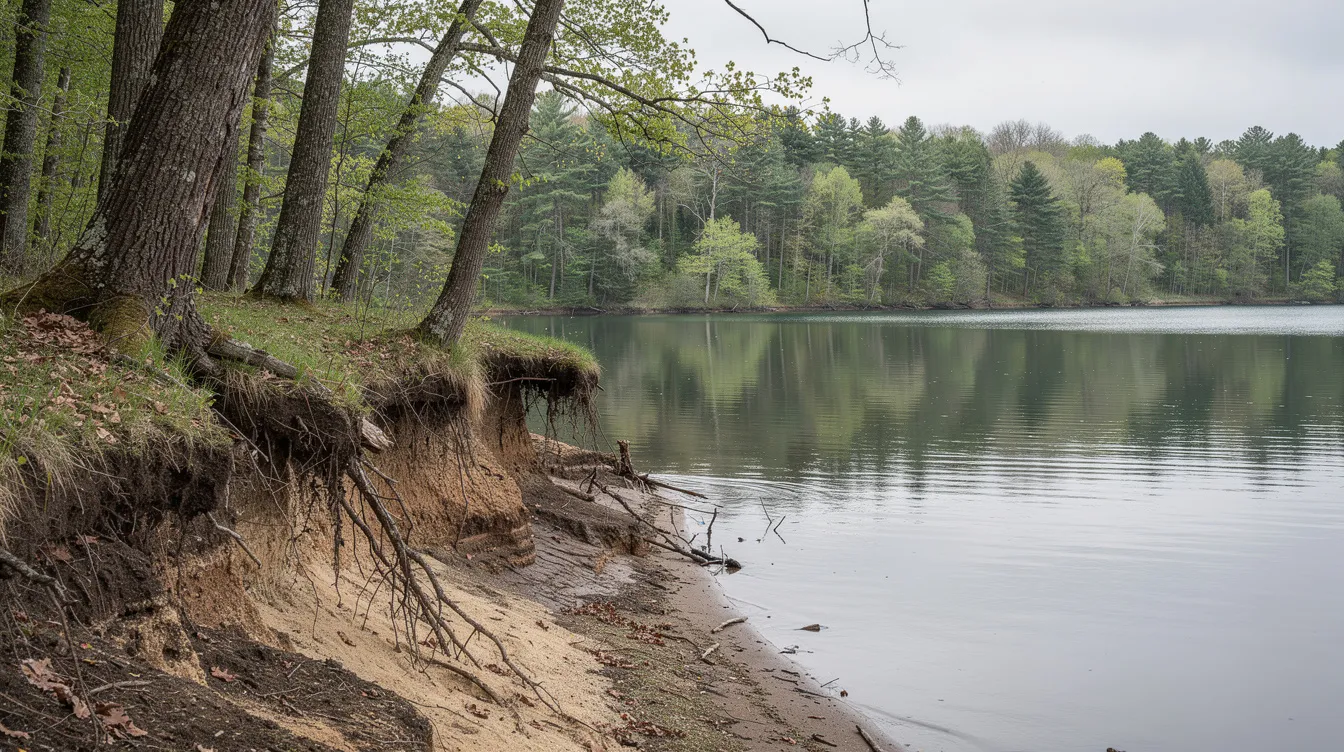
- Living shorelines: Living shorelines using native vegetation stop erosion while providing habitat for wildlife, amphibians, and beneficial insects. Eroding banks introduce sediment, reducing water depth and destroying habitats over time.
In-water practices matter too. Managing waterfowl feeding areas reduces direct nutrient contributions. Shoreline plantings and bioengineered banks reduce wave erosion and create transition zones that support aquatic organisms.
Phased restoration approaches include recognition, protection, and improvement-and Ready Scout often starts with a full lake or pond assessment before prioritizing actions based on budget and urgency, drawing on its lake consulting and management experience in the Northeast. The long-term payoffs are significant: slower sedimentation, fewer algal blooms, and reduced dependence on herbicides or copper-based algaecides.
Supporting Healthy Aquatic Life and Fisheries
Stable dissolved oxygen and temperature conditions are the foundation of robust aquatic life, including sport fish, invertebrates, amphibians, and the organisms they depend on. A well-aerated lake doesn't just prevent fish kills-it actively improves the quality of the fishery.
In a stratified, unaerated water body, fish are often squeezed into a narrow band between hot surface water and the anoxic hypolimnion. This "oxygen trap" concentrates fish into stressful conditions where disease spreads faster, growth slows, and reproduction suffers. Diffused aeration expands usable habitat by maintaining safe oxygen levels through the full water column.
Consistent oxygen levels reduce chronic stress, improving growth rates, reproduction, and resilience to disease in fish populations. Warm-water species like bass and bluegill thrive when dissolved oxygen stays above 5 mg/L. Cold-water species like trout require even higher levels-typically 6–8 mg/L or more.
Over 400 endangered species depend on wetlands for habitat, and the health of adjacent ponds and lakes directly affects these sensitive communities. Wetlands cover approximately 7% of global land surface, yet they punch far above their weight in ecological importance. Invasive species can disrupt local ecosystems and biodiversity, and aquatic invasive species can be transported by birds and boats into otherwise healthy water bodies.
Ready Scout can pair aeration projects with fishery management recommendations-stocking plans, habitat improvements, and harvest guidance-tailored to client goals, and offers direct support for pond and lake owners through its contact services. Better habitat also supports beneficial invertebrates that process organic matter and serve as natural food sources up the food chain.
Preventing and Responding to Fish Kills
Fish kill events are emotionally and financially costly, but they are often preventable with proactive management. Pond owners should manage algae blooms to protect fish populations, and understanding the causes of kills is the first step.
Major causes include:
- Algal bloom crashes: A large bloom dies and bacterial decomposition strips dissolved oxygen faster than it can be replenished.
- Sudden turnovers: Rapid mixing of anoxic bottom water with surface water during storms or cold fronts.
- Extreme heat: Water temperatures above 85°F compound oxygen stress because warm water holds less dissolved oxygen while fish metabolisms increase their demand.
- Excessive plant die-offs: Whether from natural decomposition or herbicide application, large volumes of dead organic material overwhelm oxygen supply.
Year-round diffused aeration greatly reduces the likelihood of both summer and winter fish kills by maintaining oxygen reserves throughout the water column. With aeration, even when a bloom crash or storm event occurs, the baseline oxygen levels are high enough to buffer the system against complete collapse.
If a kill event is developing, quick response guidance includes: monitoring for early signs such as fish gasping at the surface or exhibiting unusual behavior, deploying emergency aeration or temporary pumps, and conducting rapid water quality testing to identify the specific trigger. Ready Scout offers emergency consulting and post-event diagnostics to help determine the cause and prevent recurrence.
Algae and Aquatic Plant Management Alongside Aeration
Aeration reduces, but does not eliminate, conditions that favor nuisance algal blooms. Some targeted control is almost always needed alongside a well-running aeration system.
Complementary tools include:
- Pond dyes: Controlling sunlight with pond dye helps manage algae growth by reducing light penetration into deeper water, limiting photosynthesis in the lower portions of the water column.
- Beneficial bacteria: Applied regularly, these organisms compete with algae for nutrients and accelerate breakdown of organic material.
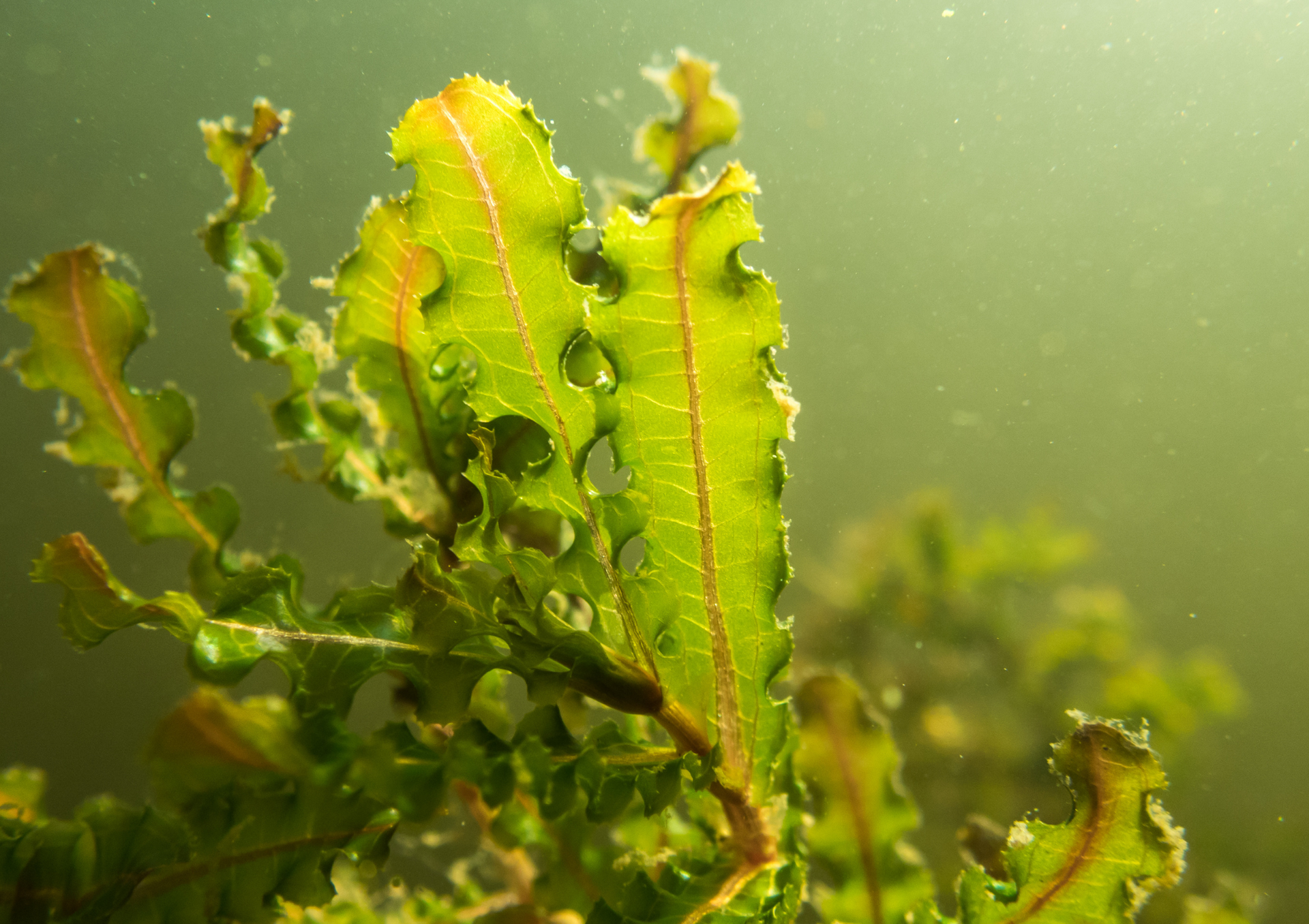
- Selective herbicides: When invasive plants like curly leaf pondweed or aggressive native species dominate, targeted treatments can restore balance-but timing matters.
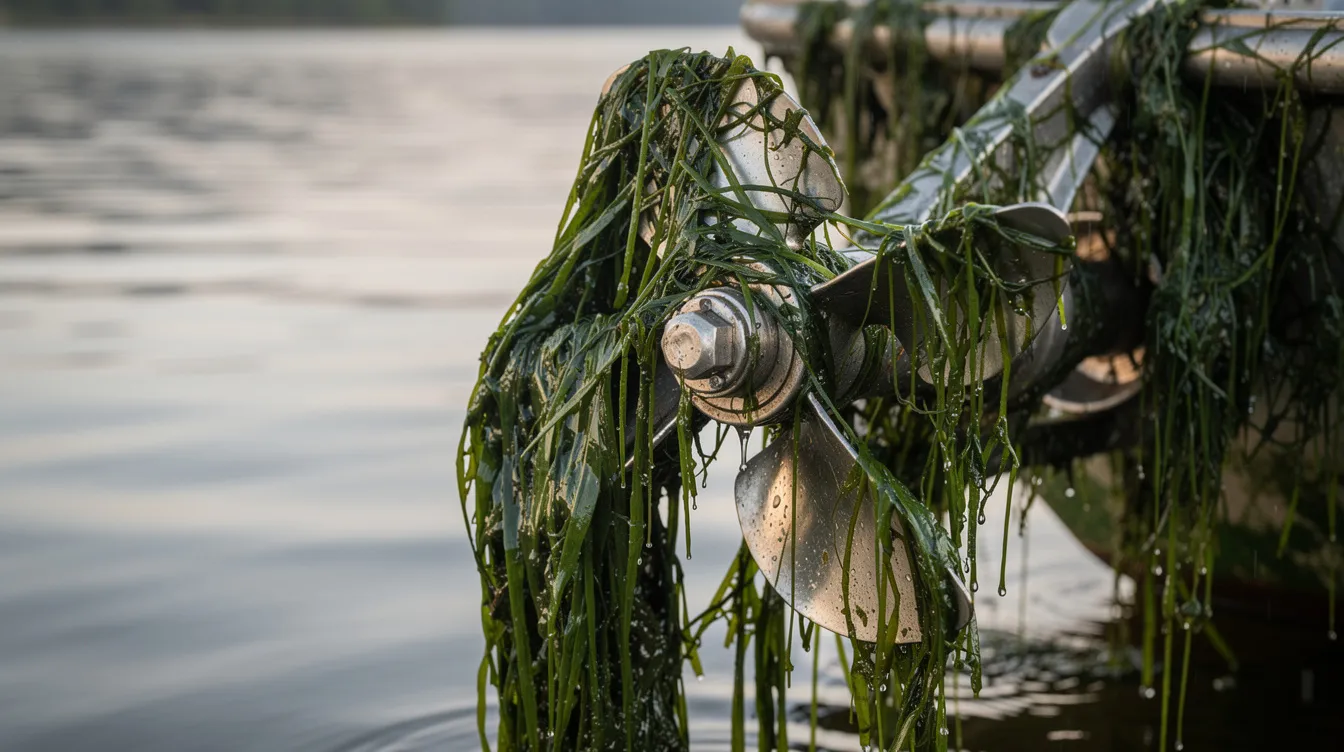
- Mechanical harvesting: Mechanical harvesting removes aquatic weeds to prevent nutrient buildup, physically extracting biomass from the system.
Ready Scout creates integrated plant and algae management plans that phase treatments, respect regulatory requirements found on product labels, and protect non-target aquatic life.
Water Quality Monitoring: Tracking Progress Over Time
Data-driven management is essential for long-term stability and for verifying that an aeration system is delivering the expected benefits. Monitoring water quality involves tracking dissolved oxygen, pH, and turbidity, along with other parameters that paint a complete picture of pond health.
Key parameters to track:
| Parameter | Why It Matters | Frequency |
|---|---|---|
| Dissolved oxygen profiles | Confirms aeration performance at all depths | Monthly + spot checks during heat waves |
| Temperature profiles | Reveals stratification and mixing patterns | Monthly |
| Secchi disk transparency | Measures water clarity trends | Monthly May–October |
| pH and alkalinity | Indicates buffer capacity and biological activity | Monthly |
| Total phosphorus and nitrogen | Tracks nutrient loading trends | Monthly or quarterly |
| Chlorophyll-a | Proxy for algal biomass | Monthly during growing season |
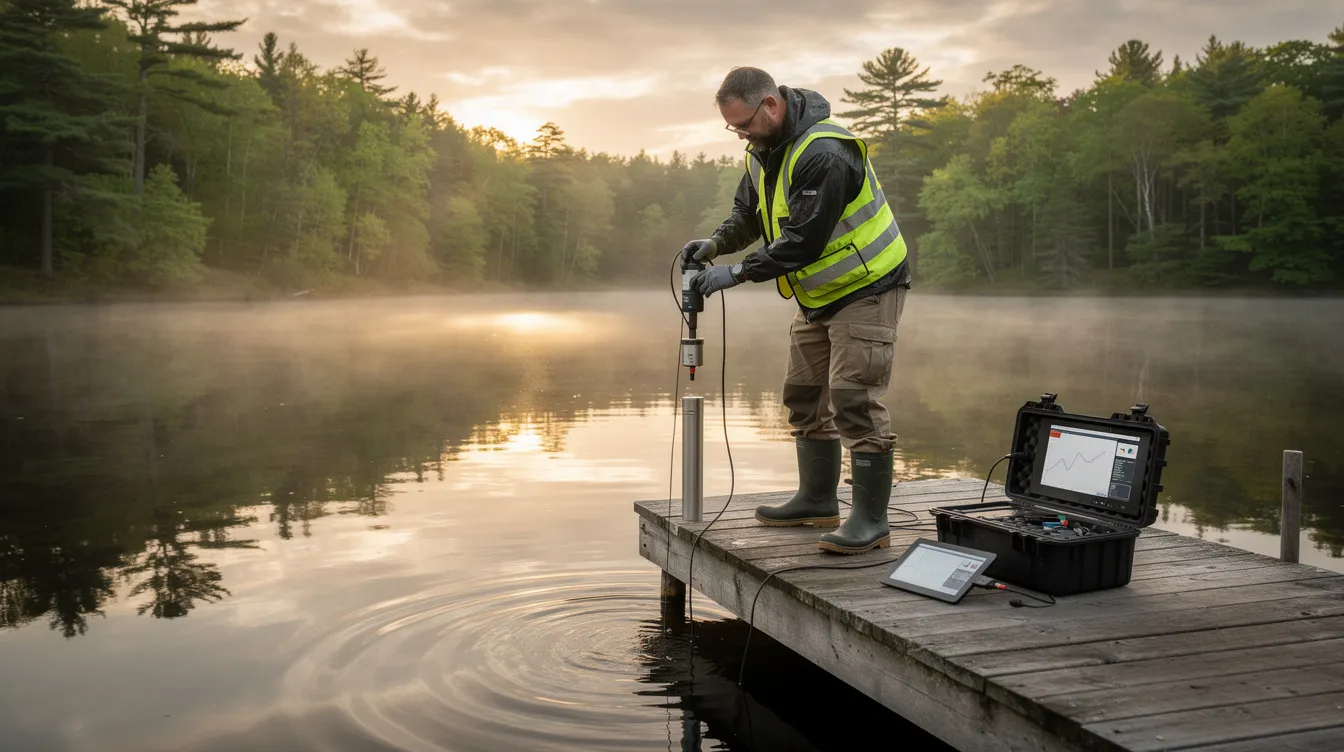
Regular water quality testing supports proactive, ongoing management rather than reactive crisis responses. Continuous monitoring provides a comprehensive overview of waterbody health, which is why Ready Scout uses monitoring data and lake mapping technology to adjust aeration runtimes, refine bacteria dosing, and advise on additional interventions.
Working with Ready Scout: Our Approach to Waterbody Stability
Ready Scout is a regional environmental services firm focused on lakes, ponds, and wetlands across northern New Jersey, upstate New York, Vermont, and southern Ontario, led by a Certified Lake Manager with over 30 years of experience. Our work centers on improving overall waterbody health and stability through science-based management that adapts to each site's unique conditions.
Our consulting process follows a clear path:
- Initial conversation to understand your concerns, goals, and history with the waterbody.
- Site visit and data collection, including bathymetric mapping, dissolved oxygen and temperature profiles, water chemistry, habitat assessment, and sediment evaluation.
- Development of a tailored management plan that prioritizes actions based on ecological need, budget, and timeline.
- Implementation, including aeration system design and installation, plant and algae management, invasive species control, and community education.
- Ongoing support through seasonal system check-ups, data review, and adaptive management recommendations.
We collaborate with lake associations, municipal owners, and private landowners to balance ecological, recreational, and budget considerations, under the guidance of our experienced principal lake manager. Whether you need a single aeration system for a backyard pond or a comprehensive multi-year restoration plan for a community lake, Ready Scout brings the regional expertise and hands-on capability to deliver results.
Frequently Asked Questions about Aeration and Waterbody Health
These FAQs address common concerns and practical details that supplement the guidance covered above.
How long does it take to see improvements after installing a diffused aeration system?
Some changes are noticeable within weeks of installation. Pond owners often report more even water temperatures, fewer fish congregating at the surface, and reduced sulfur odors within the first month of operation. However, major improvements in muck depth, algae frequency, and overall water clarity typically require one to three full growing seasons. This timeline depends heavily on the nutrient load entering the pond and whether watershed practices are being improved simultaneously. Ready Scout usually recommends a minimum two-year evaluation window for judging full ecosystem responses in northeastern climates, where ice cover, spring runoff, and summer heat all influence the pace of recovery.
Can I run my aeration system only at night or only in the summer?
Night-only operation can help target the lowest dissolved oxygen periods and reduce the visibility of bubble plumes during daytime use. In moderate-risk ponds, this approach may be sufficient. However, in high-risk ponds-those with heavy nutrient loading, deep muck, or a history of fish kills-continuous summer operation is significantly safer. Turning aeration off during the day allows stratification to re-establish, and research has shown that even brief interruptions in aeration can trigger rapid phosphorus release from sediments. Ready Scout customizes run-time schedules based on site data, local climate, and energy cost considerations, and may recommend seasonal adjustments such as reduced winter runtime rather than full shutdown. The goal is to match operation to risk: more aggressive schedules during critical periods, with flexibility during lower-risk seasons.
Will aeration alone solve my algae problems?
Aeration is a cornerstone of algae management, but it is not a standalone solution. It significantly reduces the severity and frequency of algal blooms by maintaining aerobic conditions at the pond bottom (which limits internal phosphorus recycling) and by supporting beneficial bacteria that compete with algae for nutrients. However, if significant external nutrient sources remain-such as lawn fertilizer runoff, septic leaching, or waterfowl waste-blooms will continue to some degree. The most effective approach is a whole-watershed strategy combining aeration with nutrient source control, effective algae management practices, beneficial bacteria, and sometimes targeted treatments. Ready Scout can help develop this type of integrated plan.
Is there a risk that aeration will stir up sediments and make the water look worse?
Properly designed diffused aeration systems in ponds deeper than about 8 feet rarely resuspend sediments. Problems typically arise from over-powered systems in very shallow ponds or from diffusers placed directly on soft muck rather than slightly above it. In ponds with average depths under 6 feet, the risk of turbidity increases, and system design requires more care-lower air volumes, strategic diffuser placement, or a combination of bottom diffusers with gentle surface circulation. Ready Scout accounts for depth, sediment type, and desired circulation intensity when specifying compressor size and diffuser placement, ensuring the system improves clarity rather than degrading it.
Do I need permits to install an aeration system in my pond or lake?
Requirements vary by state, province, and local jurisdiction. In general, a small aeration system on a private pond may not require special environmental permits, but electrical work near water typically needs to meet code and may require inspection. Larger systems on community lakes, or any installation that involves work in regulated wetlands, flood zones, or near protected shorelines, may trigger permitting requirements. In New Jersey, New York, Vermont, and Ontario, the intersection of wetland protection laws, shoreland buffer regulations, and electrical codes creates a patchwork that varies by municipality. Non-floodplain wetlands are critical for nutrient processing functions even where their regulatory status has shifted, so responsible installation practices matter regardless of permit requirements. Ready Scout can help identify and navigate relevant permitting pathways as part of project planning, ensuring compliance while keeping your project on schedule.
Take the Next Step: Partner with Ready Scout to Stabilize Your Lake or Pond
If you have read this far, you already understand that improving overall waterbody health and stability is not about a single treatment or a one-time fix. It is about building the right infrastructure-starting with a well-designed submersed diffused aeration system-and managing your waterbody with consistent, data-driven practices over time. The science is clear, the regional case studies confirm it, and the alternative-reactive emergency responses after fish kills and bloom events-is always more expensive and less effective.
Ready Scout works with lake associations, municipalities, camps, golf courses, and private pond owners in northern New Jersey, upstate New York, Vermont, and southern Ontario. We specialize in submersed diffused aeration system design and installation, supported by permitting assistance, water quality monitoring, and full-spectrum lake management services.
Before reaching out, gather what you can: your water body's approximate size and depth, photos of current conditions, and a summary of any known water quality issues or past events. This information makes our initial conversation more productive and helps us move quickly toward a site visit and assessment.
Investing in a well-designed aeration system today prevents costly fish kills, emergency treatments, and lost recreational value over the coming decades. Your pond or lake is a living system-and with the right support, it can be a healthy, stable, and beautiful one for generations to come. Contact Ready Scout today to schedule your consultation.
Smart Clean Water Management: How Ready Scout Uses Smart Water Technology to Protect Lakes and Ponds