Pond Weed Management Guide for Lakes & Ponds
Key Takeaways
- A pond weed can be a helpful native plant, an invasive aquatic weed, or nuisance algae; a healthy pond should have about 20% plant coverage, with roughly 15–25% aquatic vegetation often supporting aquatic life.
- Problems begin when invasive pond weeds, nuisance plants, or blue green algae dominate, especially curly leaf pondweed, hydrilla, Eurasian watermilfoil, duckweed, and phragmites.
- Pond weeds are categorized into submerged, floating, and emergent types, and early, accurate identification is the foundation of safe aquatic weed control.
- Integrated management works best: prevention, mapping, mechanical control, biological tools like triploid grass carp, and carefully selected aquatic herbicides where legal.
- Ready Scout, LLC provides on-site assessments, plant ID, lake mapping, permitting, aeration systems, water quality monitoring, and long-term pond weed plans in northern NJ, upstate NY, Vermont, and Ontario.
Pond weed problems rarely start overnight. They build quietly through excess nutrients, warming water temperature, plant fragments on boats, and missed early warning signs. By the time dense weed growth blocks a dock or turns a cove into a floating canopy, the pond ecosystem is already out of balance.
This guide explains how to identify pond weed types, why some aquatic plants are beneficial plants, and how Ready Scout helps pond owners and lake associations manage weed growth through effective weed control lake strategies without overreacting or harming natural resources.
What Are Pond Weeds and Why They Matter
“Pond weed” is a broad term for aquatic plants, invasive species, and algae-like growths that appear in pond water. Some are native plants such as american pondweed, bulrush, and emergent plants along pond edges. Native plants provide essential habitat and oxygen for aquatic ecosystems. Healthy levels of native vegetation oxygenate the water in ponds, stabilize sediment, and support aquatic habitats.
The goal is not a sterile pond. Submerged plants produce oxygen vital for fish and aquatic organisms, and emergent plants stabilize shorelines and filter nutrients from runoff. Issues arise when invasive pond weeds or filamentous algae produce excessive growth, block sunlight, and crowd out native vegetation. Dense mats of invasive weeds block sunlight and inhibit photosynthesis, while dense weed growth can impede recreational activities like boating and fishing.
Excessive aquatic plant growth can reduce oxygen levels in ponds. Dead and decaying mats of weeds can strip oxygen from water, causing oxygen depletion and sometimes fish kills. Overabundant weeds contribute organic matter that increases muck and sludge on the pond bottom. Excessive plant growth indicates high nutrient levels in ponds, especially high phosphorus levels.
Common signs of trouble include:
- Thick mats on the water surface or pond surface
- Strong earthy, musty, or rotten odors
- Fish gasping at dawn or after hot, still nights
- Sudden bright green, brown, or turquoise water color
- Blue green algae scums that look like spilled paint
2024–2026 Northeast conditions matter. Warmer summers, heavier rain, and nutrient pulses from fertilizers and animal waste are speeding algae growth and aquatic plant growth in nutrient rich waters across NJ, NY, VT, and Ontario. The EPA notes that climate change can increase freshwater harmful algal bloom risk.
Types of Pond Weeds: Floating, Submerged, and Emergent
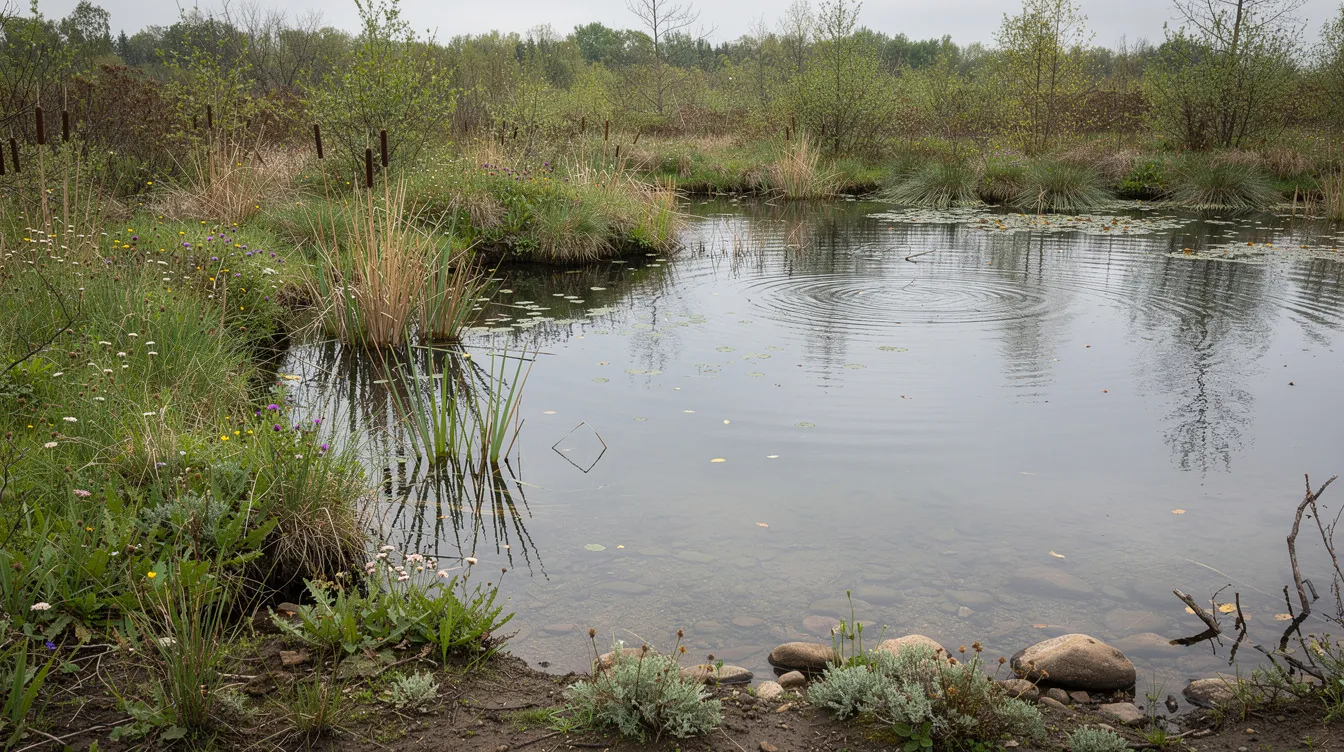
Pond managers classify aquatic weeds by growth form because floating pond weeds, submerged weeds, and emergent weeds behave differently. A floating aquatic plant that covers the water column needs a different response than rooted submerged plants or shoreline reeds with a deep root system.
Some “weeds” are actually algae, including filamentous algae and chara, but they behave like nuisance plants when they form mats, limit sunlight penetration, and interfere with use. A simple comparison photo guide with close-up images of the three growth forms is often helpful during community meetings.
Floating Pond Weeds and Surface Mats
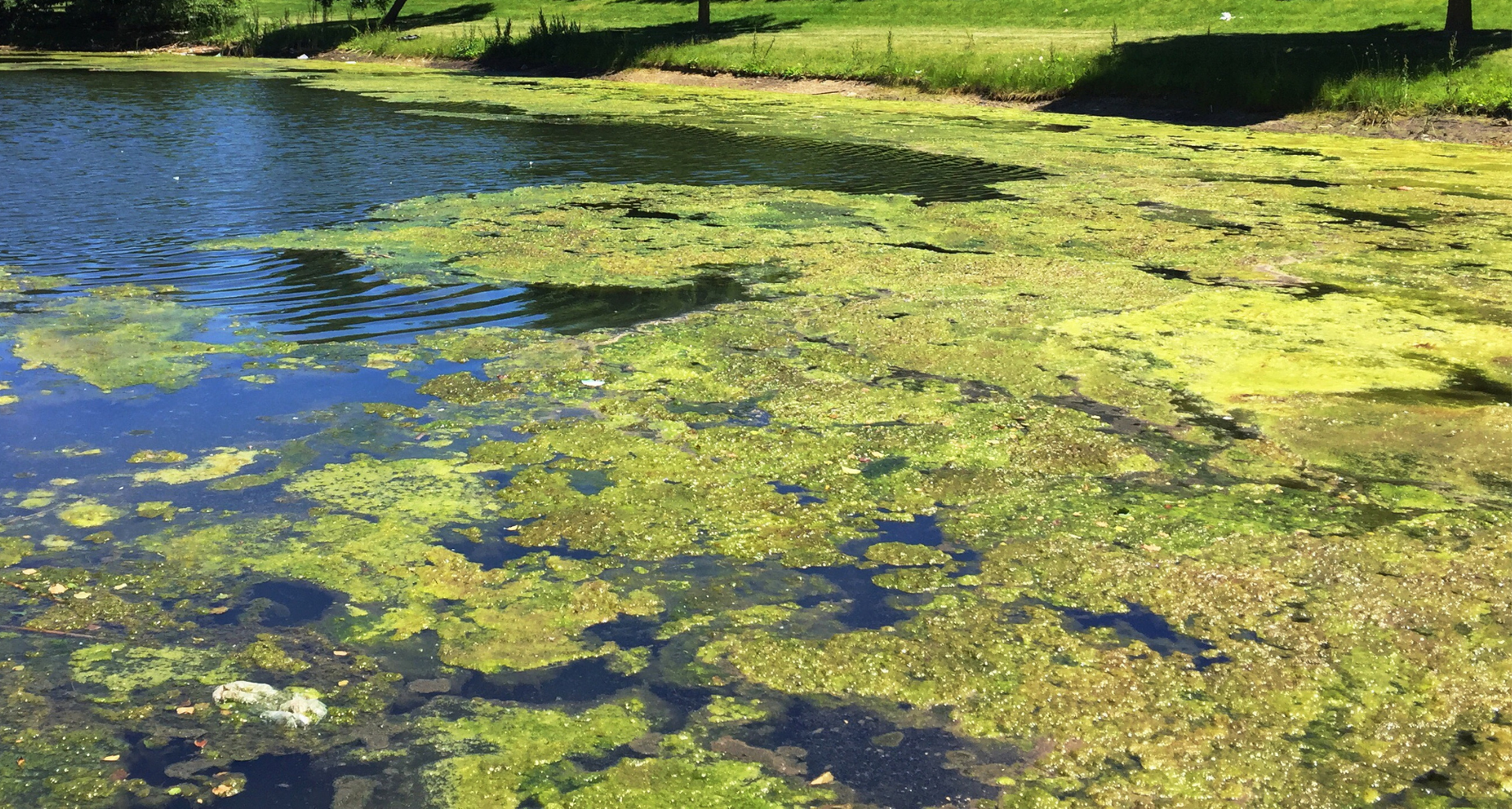
Floating weeds form a surface layer that shades water, restricts gas exchange, and can cover smaller ponds within weeks. Duckweed can rapidly reproduce, forming dense surface mats. Duckweed can rapidly cover pond surfaces in nutrient-rich waters, and Duckweed can rapidly cover the surface of ponds.
Examples include duckweed, watermeal, water hyacinth where legal, water lettuce, and floating heart. Floating leaves may be tiny and rootless, as with watermeal, or larger with dangling roots, as with duckweed and water lettuce. When scooped with a fine-mesh net, floating weeds feel like a thin green meal or soft plant layer. Using a fine-mesh net helps remove floating weeds like duckweed.
Floating blue green algae scums are different: they often look oily, paint-like, or streaked. Thick floating pond weeds often signal excess nutrients from lawns, agriculture, failing septic systems, or storm drains. Ready Scout often combines mechanical skimming, nutrient reduction, water circulation improvements, and aeration before chemical control for small community ponds.
Submerged Pond Weeds (Underwater Growth)
Submerged weeds grow underwater and may create a dense floating canopy just below the surface. Common regional plant species include curly leaf pondweed, Eurasian watermilfoil, coontail, hydrilla, and american pondweed.
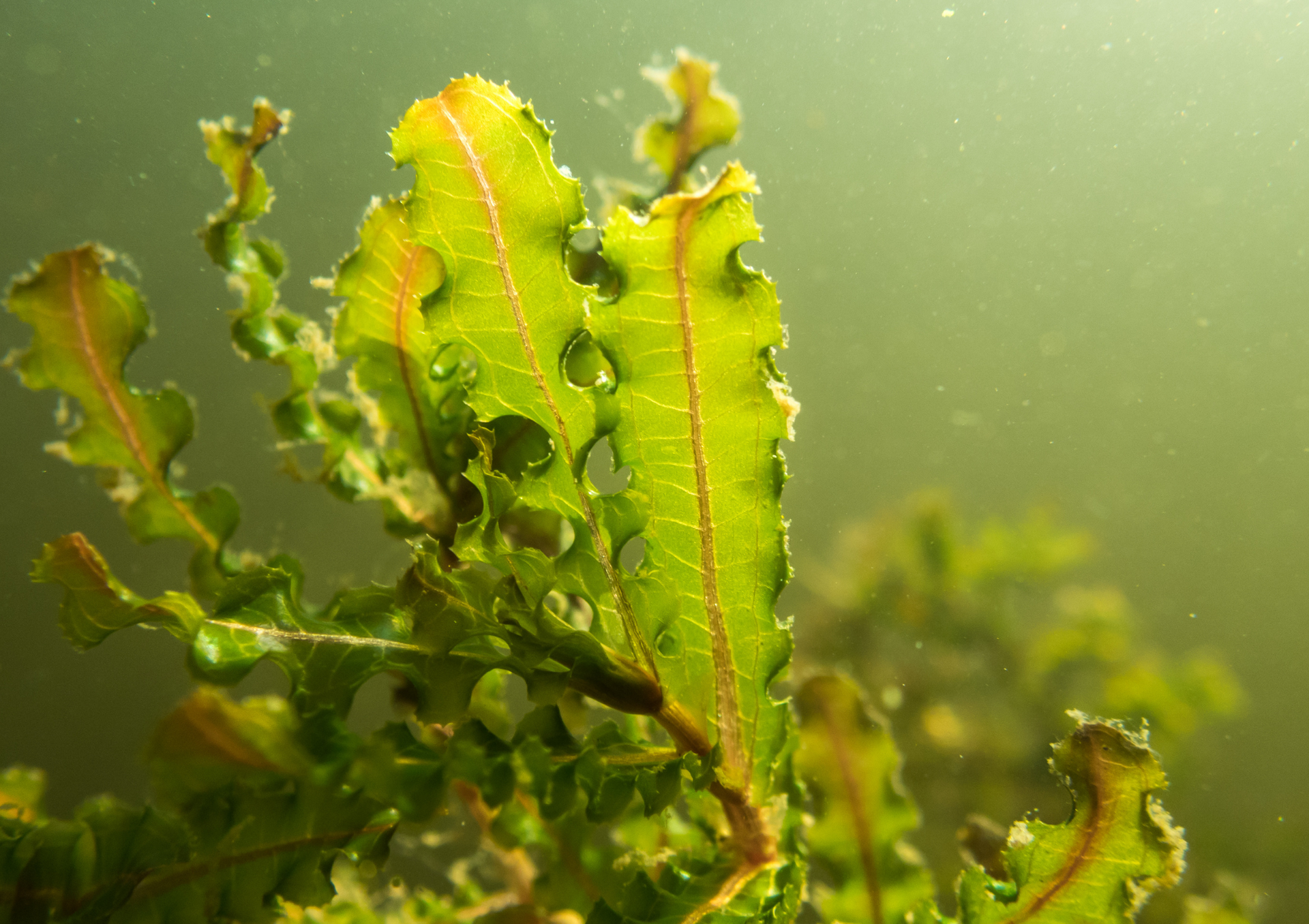
Curly-leaf pondweed thrives in low-lit water during early spring. Curly-leaf pondweed thrives in low-lit water and can grow in fall. It has stiff, crinkled leaves and often grows before other native vegetation is active. American pondweed has submerged stems and oval to sword-shaped floating leaves. Eurasian watermilfoil has feathery, fan-like leaves and can spread rapidly through fragmentation. Eurasian watermilfoil was introduced to the US in the early 1900s. Eurasian watermilfoil was introduced to the U.S. in the early 1900s.
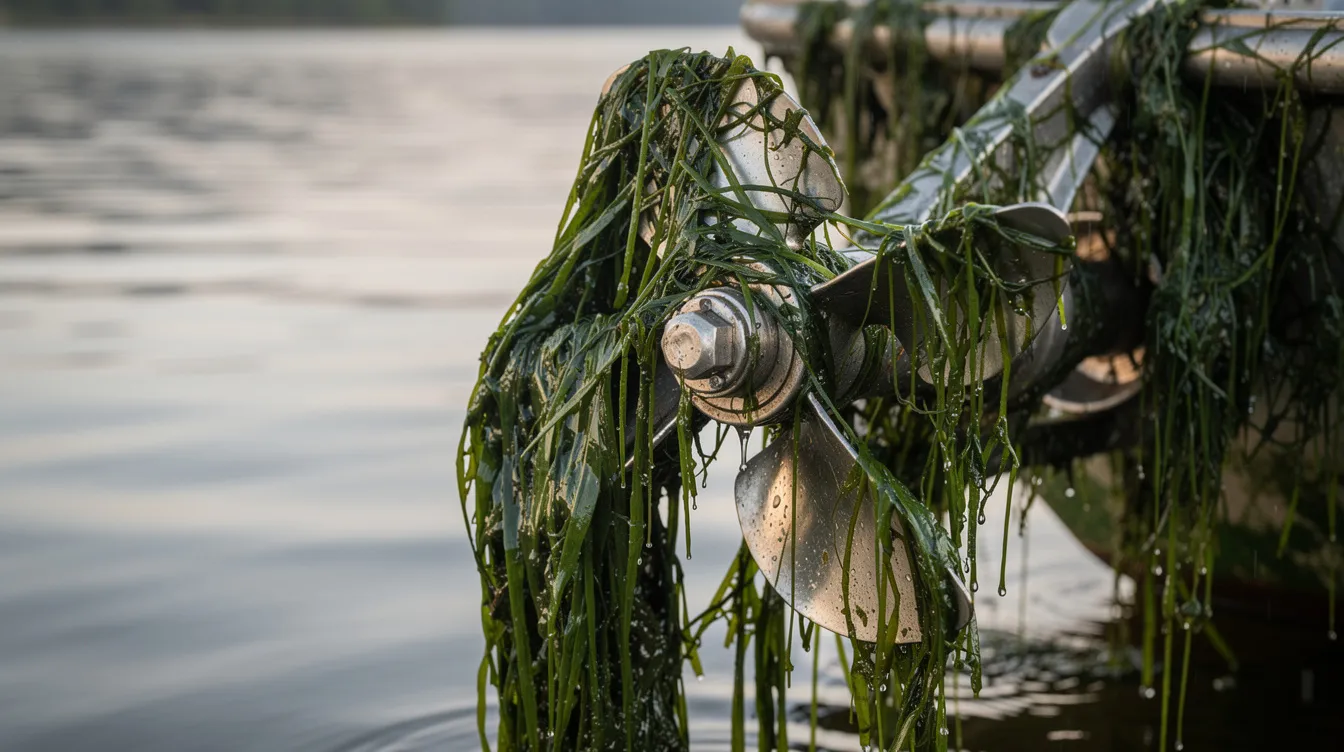
Submerged aquatic weeds foul propellers, tangle fishing lines, reduce swimming access, and can cause overnight oxygen drops when dense beds die back. Plant fragments on kayaks, trailers, fishing gear, and boat launches are a major prevention concern.
Emergent Weeds and Shoreline Invaders
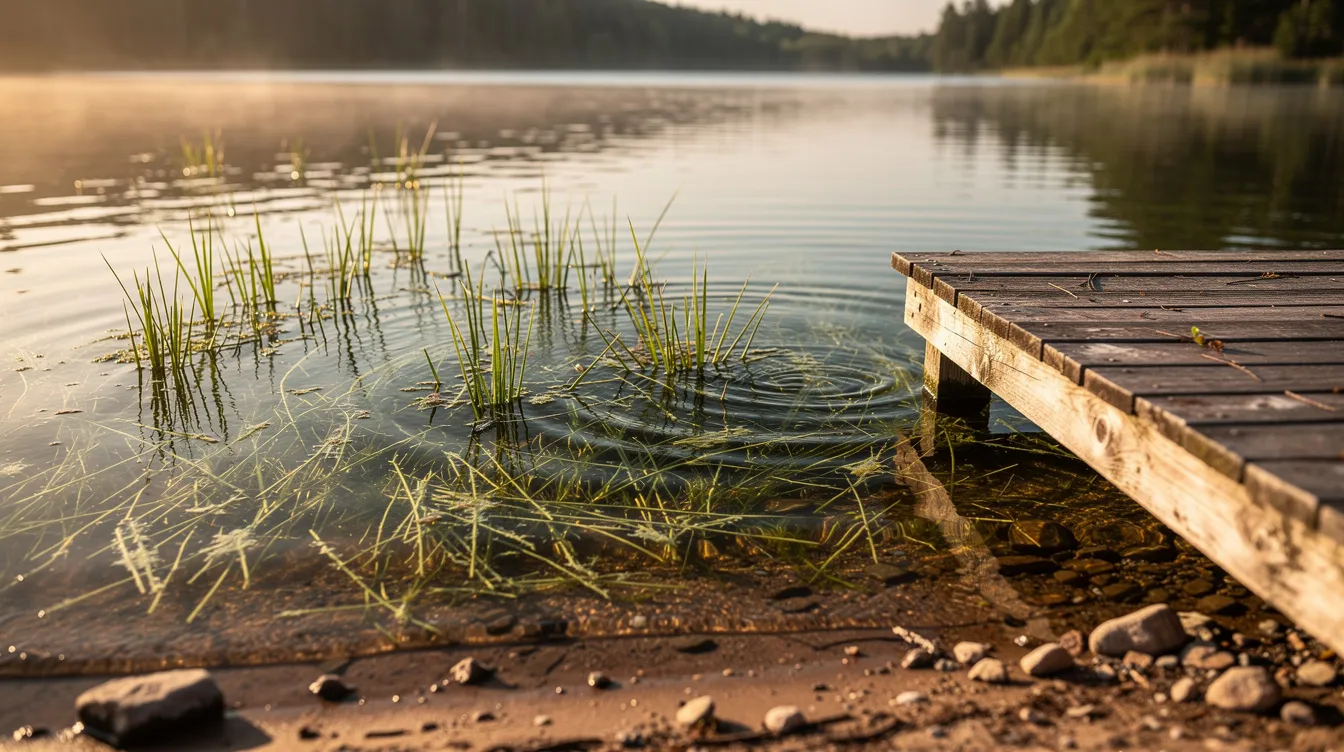
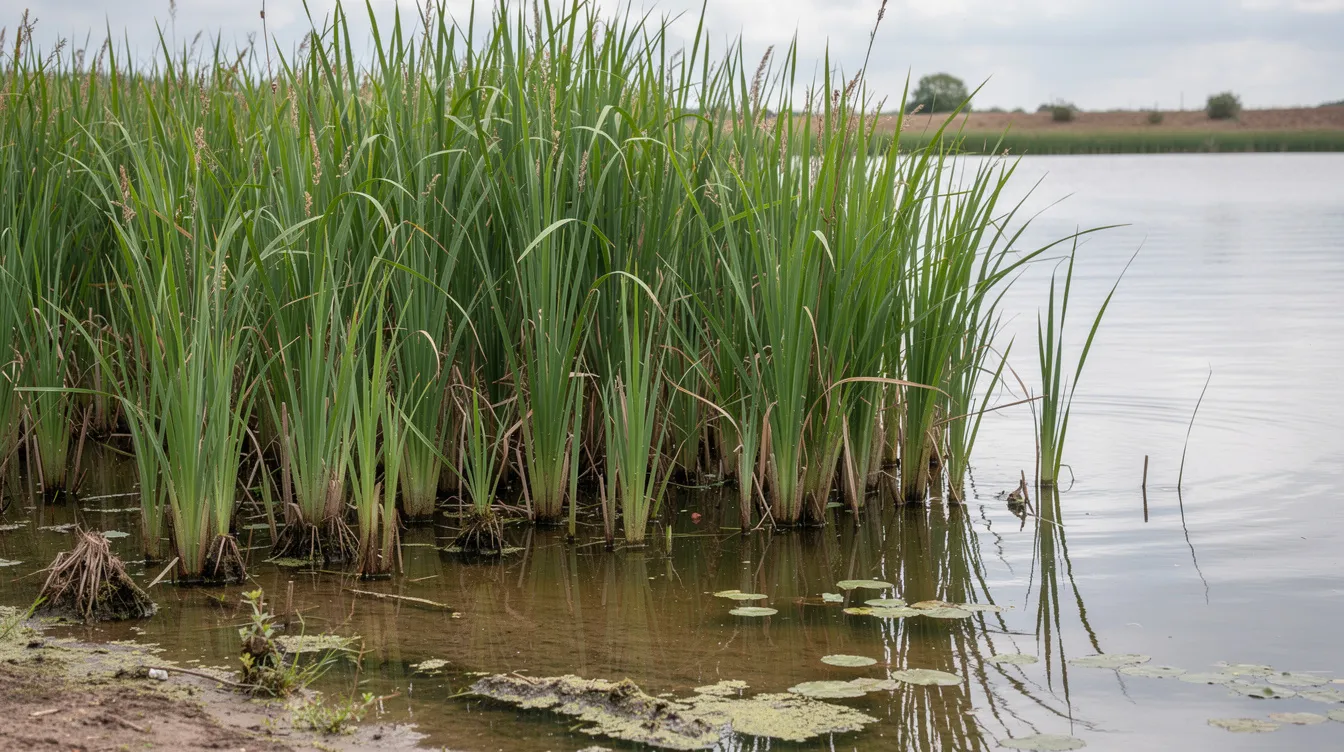
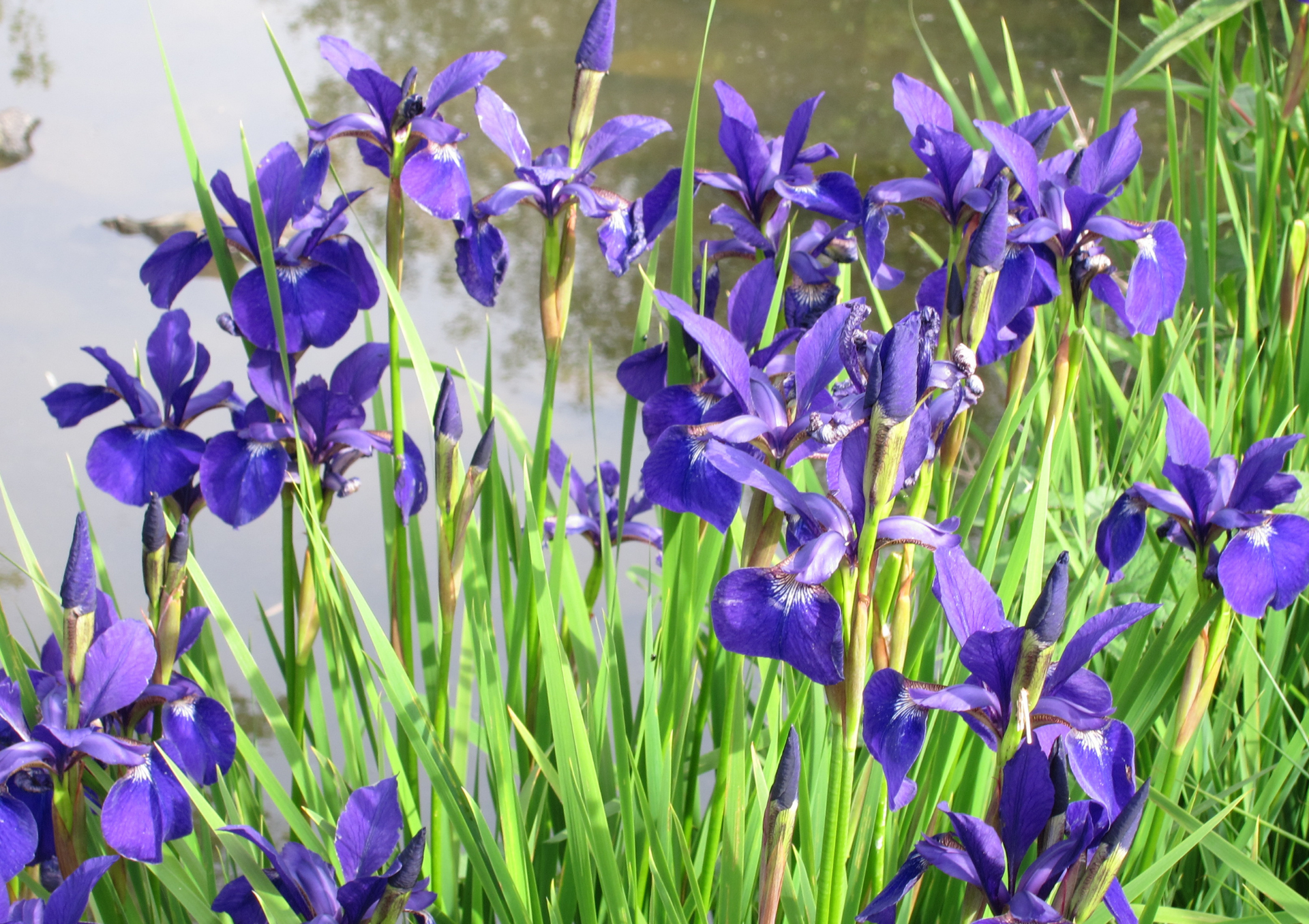
Emergent weeds root in shallow water or saturated soils but grow above the surface. Regional examples include alligatorweed, creeping water primrose, cattails, phragmites, purple loosestrife, and bulrush.
Quick ID clues help: cattails have brown seed heads, phragmites has tall plumes, purple loosestrife has bright flower spikes, and primrose can have hollow reddish jointed stems. Common reed can grow up to 16 feet tall and forms dense stands. Common reed can grow up to 16 feet tall.
These weeds trap sediment, fill coves, block dock access, and create stagnant mosquito pockets. Ready Scout often integrates selective cutting, permitted treatment, erosion control, and replanting with native marginal plants to compete for nutrients against weeds, supported by expert plant and algae management services.
Nuisance Algae and Blue-Green Algae Blooms
Algae are not true pond weeds, but most owners notice them first as green water, hair-like strands, or floating scums. Filamentous algae, often called blanket weed, forms cottony mats that rise from the pond bottom. Barley straw releases enzymes that inhibit the growth of certain algae and weeds, although results vary and it should not replace nutrient control.
Blue green algae are cyanobacteria such as Microcystis, Anabaena, and Oscillatoria. Some blooms produce toxins harmful to people, pets, wildlife, and aquatic life. Managing nutrient levels is key to controlling Anabaena growth.
Warning signs include pea-soup water, paint-like streaks, metallic or earthy odor, sudden pet illness after swimming, or dead fish and birds. Chemical control of blue green algae must be paired with nutrient reduction. Ready Scout supports water quality monitoring, screening coordination, and long-term cyanobacteria management plans.
Invasive Pond Weeds of Concern in the Northeast
A few invasive pond weeds cause most serious problems in northern New Jersey, upstate New York, Vermont, and Ontario. Early detection and rapid response are much cheaper than waiting until a lake-wide infestation develops.
Curly Leaf Pondweed: Cold-Season Competitor
Curly leaf pondweed was introduced in the 1800s in the Great Lakes. The plant thrives before native plants are fully active, reaching the surface in 3–10 feet of water. It peaks in May–June, then collapses mid-summer, releasing nutrients that can fuel algae.
It spreads through turions, or overwintering buds, that move with boats, trailers, gear, and waterfowl. Treatment is usually timed for early spring before turion formation. Ready Scout develops treatment calendars tied to local ice-out dates, water temperature, permitting windows, and whole-pond nutrient levels.
Hydrilla and Eurasian Watermilfoil
Hydrilla is one of the most aggressive submerged invaders. Hydrilla was first found in the US in 1959. Hydrilla was first found in the US in Florida in 1959. Hydrilla was first found in Florida in 1959. Ontario confirmed its first hydrilla detection in 2024, making rapid response especially important.
Hydrilla grows from fragments, tubers, and turions. Eurasian watermilfoil also spreads from tiny fragments, so careless harvesting can make problems worse if cut material is not captured. Both species form thick canopies that block sunlight, limit sunlight penetration, and harm native pond weeds. Control commonly requires mapping, systemic herbicides, targeted spot treatment, and boat-cleaning education.
Phragmites and Other Aggressive Shoreline Species
Phragmites, or common reed, forms 10–16 foot monocultures along pond edges and wetlands. It spreads by rhizomes, stolons, and seed, especially on disturbed, nutrient-rich shorelines.
Effective management often uses late-summer or fall systemic herbicide applications followed by cutting or removal of dead stems. Ready Scout designs phragmites projects around wetland rules, mapping, permit support, and native re-planting for stabilized margins. Fanwort and giant salvinia are additional regional or watch-list species to monitor.
Identifying Pond Weeds in Your Waterbody
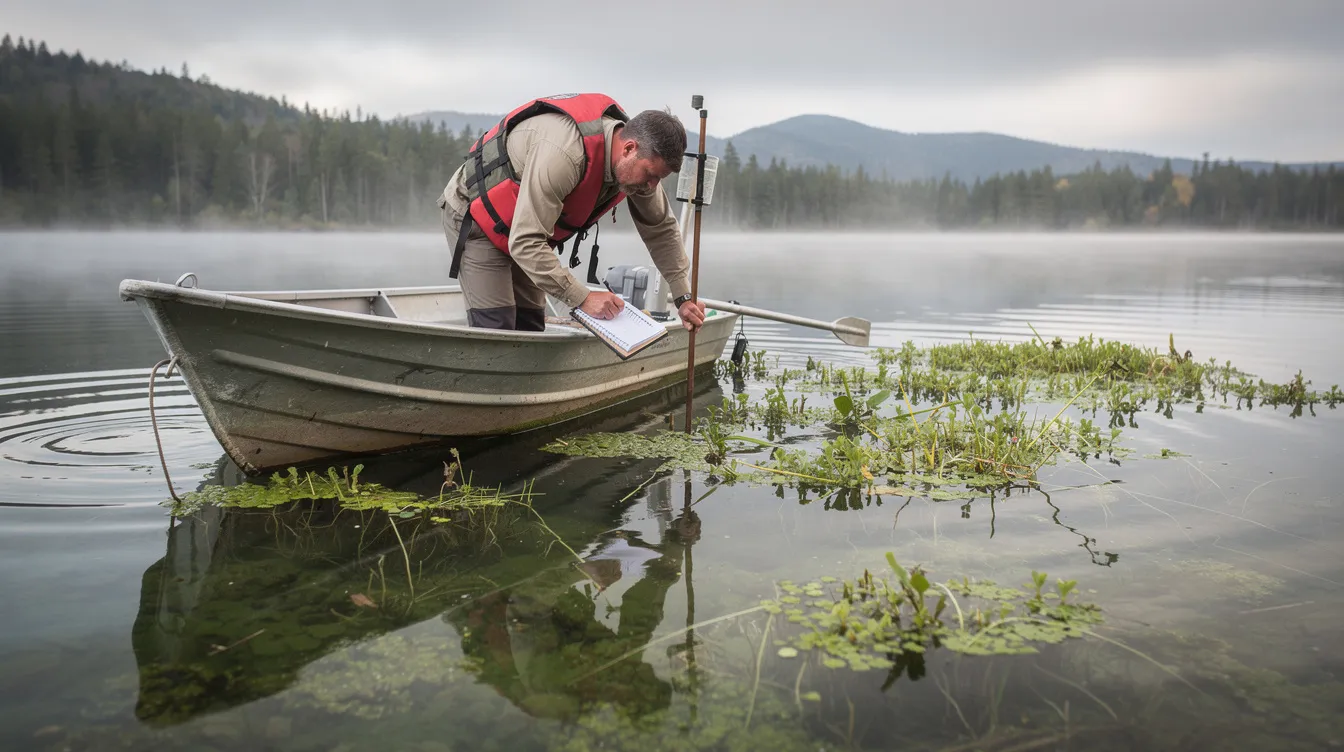
Accurate pond weed ID is the most important first step before buying products or choosing methods. To accurately identify different species, collect a small sample with a rake or pool net, photograph it on a white background, note depth and location, and record the date and approximate water temperature.
Common mistakes include confusing filamentous algae with submerged weeds, mistaking american pondweed for invasive pondweeds, or treating chara as if it were vascular aquatic vegetation. These distinctions matter because aquatic herbicides, contact herbicides, systemic herbicides, pond dye, and algaecides work differently depending on species, alkalinity, hardness, flow, and acidic waters.
Use regional field guides, extension agencies, and professional ecologists. Ready Scout encourages owners to send clear photos, samples, and site information for ID and practical recommendations, and to stay informed through expert lake and wetland management articles.
Control Options: Physical, Biological, and Chemical
Integrated pest management starts with prevention, then layers mechanical, biological, and chemical tools only where needed. No single method is a silver bullet. Regular inspections help catch pond weeds early, and yearly logs of dates, products, weather, and outcomes make future decisions easier.
Physical and Mechanical Management
Manual removal of weeds is effective for maintaining a garden pond. In larger systems, physical options include raking, seining, hand-pulling in shallow water, cutting submerged weeds, fine-mesh skimming, and benthic barriers near beaches.
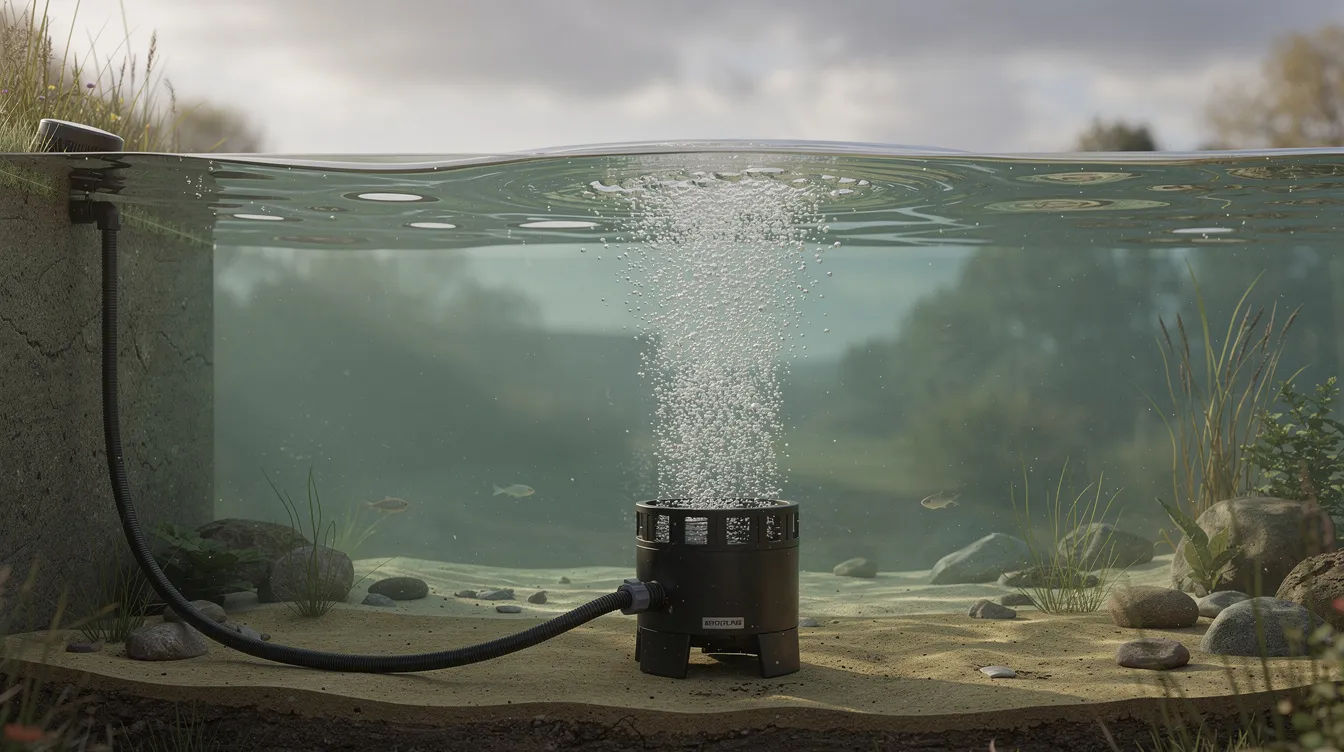
Mechanical control gives fast visual improvement and avoids residues, but regrowth is common from seeds, roots, and fragments. Aeration improves water circulation and reduces weed growth. Bottom-diffused aeration systems and fountains can improve oxygen levels, reduce stratification, and indirectly limit some algae and weed growth. Ready Scout designs and installs aeration systems sized to pond shape, depth, and water quality goals, often paired with water quality monitoring and lake mapping services.
Biological Management and Grass Carp
Grass carp eat some submerged aquatic weeds, including certain pondweeds and naiads, but they are less effective on filamentous algae, tough emergent plants, and some mature invasive beds. Only sterile triploid grass carp are legal in many jurisdictions.
Grass carp stocking rates are usually 7 to 15 per acre. Grass carp stocking rates are usually 7 to 15 per surface acre. Stocking generally requires permits and certified suppliers. Biological control is gradual and works best with aeration, buffers, limited targeted treatment, and beneficial shoreline plantings.
Chemical Control and Safety Considerations
Chemical control involves using herbicides labeled for aquatic use. Aquatic herbicides and algaecides must be EPA- or Health Canada-approved, labeled for aquatic use, and applied according to dosage, acreage, depth, and water-use restrictions.
Contact herbicides act quickly on top growth. Systemic herbicides move through the plant and are often used for rooted invasive species. Improper treatment can cause oxygen depletion and fish kills when too much biomass dies at once, so sectional treatment and supplemental aeration may be needed. Ready Scout does not promote blanket spraying; it builds permitted, targeted plans aligned with ecological goals and community preferences.
Preventing Pond Weed and Algae Problems Long-Term
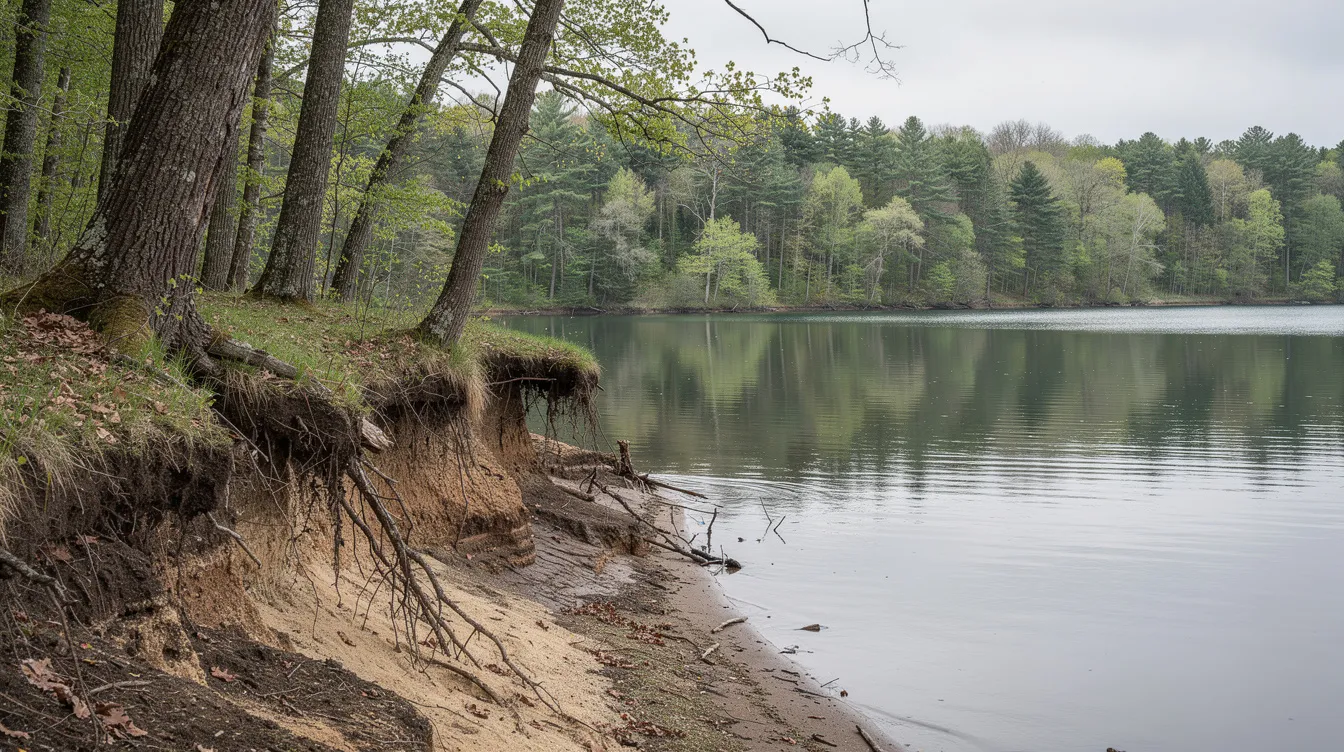
Prevention is less expensive than midsummer crisis response. Nutrients often enter ponds from fertilizers and animal waste. Other sources include eroding banks, stormwater outlets, waterfowl, septic systems, and lawn clippings.
Practical fixes include unfertilized shoreline buffers, redirecting downspouts, vegetated swales, stabilized soil, and avoiding mowing to the water’s edge. In-pond practices include debris removal, aeration, moderate fish stocking, and preserving some native vegetation instead of trying to make a pond swimming-pool clear.
Ready Scout offers seasonal nutrient sampling, clarity testing, dissolved oxygen profiles, GPS and sonar mapping, and budget planning so lake communities can act before conditions peak, supported by its broader professional lake consulting services.
How Ready Scout Helps Manage Pond Weeds and Algae
Ready Scout, LLC is a regional lake consulting and management firm serving lake associations, HOAs, municipalities, private landowners, and wetland owners. Services include aquatic vegetation surveys, plant and algae ID, invasive species control, aquatic weed management plans, blue green algae response planning, and permitting and regulatory compliance.
Technical services include water quality monitoring, GPS mapping, sonar lake mapping, drone imagery where allowed, aeration system design and installation, shoreline restoration with native plants, and long-term monitoring. Ready Scout also helps with NJ aquatic pesticide permits, NY Article 15 considerations, Vermont nuisance aquatic plant permitting, Ontario requirements, and wetland-related compliance within its defined NJ and NY service area.
Ready Scout’s lake community self-sufficiency consulting trains boards, volunteers, and maintenance staff to recognize aquatic weeds, log observations, take photos, and complete simple tasks between professional visits.
Frequently Asked Questions About Pond Weeds
How can I tell if my pond has “too many” weeds?
Some weeds are helpful, but problems usually begin when more than about 25–30% of the pond surface area or volume is occupied by dense weeds or algae. If you cannot paddle through coves, intake screens clog often, or fish kills occur after hot nights, density is likely excessive.
A professional plant survey and basic water quality testing can quickly show whether the pond is out of balance and what changes are needed.
Is it safe for pets and children to use a pond with blue green algae?
Visible blue green algae blooms are a red flag. Keep pets, children, and adults away from water that looks like green paint, thick pea soup, or scummy streaks.
Some cyanobacteria produce liver and nerve toxins that can sicken or kill pets within hours. Seek local guidance and testing when a bloom is suspected; Ready Scout can help coordinate water quality assessments and management plans in its service area.
When is the best time of year to treat pond weeds?
Timing depends on species. Early spring is important for curly leaf pondweed before turion formation, late spring to early summer often fits many submerged weeds, and late summer to fall is common for emergent species like phragmites.
Treating too late can release nutrients and fuel algae, while treating too early in cold water can reduce effectiveness. A multi-year schedule should match local climate, water temperature, and permit windows.
Do I always need chemicals, or can I manage pond weeds naturally?
Some ponds can be managed largely through prevention, aeration, shoreline buffers, barley straw, and targeted physical removal, especially when infestations are localized.
Severe lake-wide invasive infestations may require carefully planned herbicide use to regain control. After that, more natural methods can often maintain improvements.
How much does professional pond weed management typically cost?
Cost depends on pond size, depth, infestation severity, access, regulatory needs, repeated treatments, mapping, and infrastructure such as aeration. A small private pond has very different needs than a multi-basin lake association.
Ready Scout provides site visits and written proposals so owners and boards can compare options and phase work over multiple seasons, drawing on information about Ready Scout’s lake management expertise and the background of its Certified Lake Manager founder.
Next Steps: Partner with Ready Scout for Healthy, Weed-Balanced Ponds
Effective pond weed and algae management combines accurate ID, thoughtful planning, science-based tools, and consistent follow-through. The best results come from balancing beneficial plants, protecting water quality, and acting before invasive weeds dominate.
If you manage a pond or lake in northern New Jersey, upstate New York, Vermont, or Ontario, contact Ready Scout for a professional assessment, vegetation survey, water quality review, and practical management roadmap. Reach out before midsummer so permitting, mapping, and treatment windows can be scheduled efficiently.
Ready Scout works with single-pond owners and multi-stakeholder lake communities to restore clear water, safe recreation, and resilient aquatic ecosystems through proactive pond weed control.
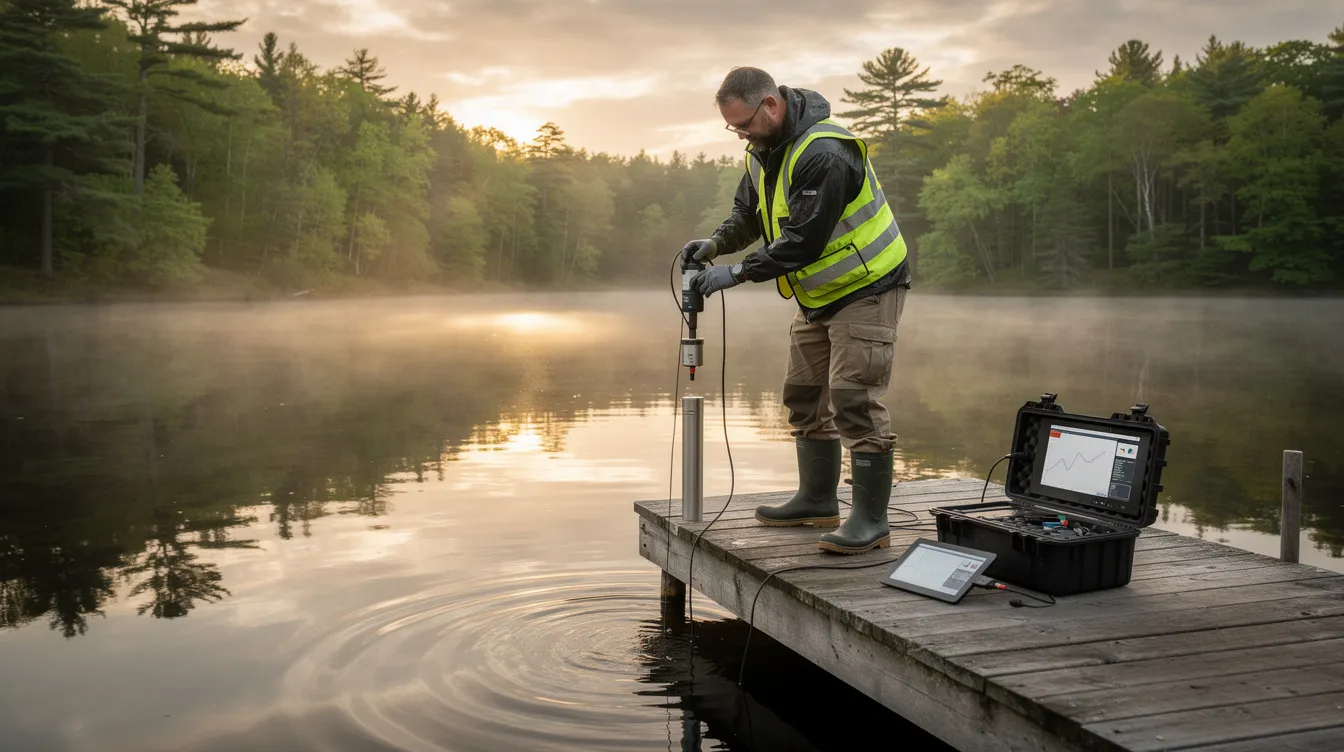
Smart Clean Water Management: How Ready Scout Uses Smart Water Technology to Protect Lakes and Ponds