Aquatic Invasive Plant Species: Identification, Impacts, and Management in NJ, NY, VT & Ontario
Key Takeaways
Aquatic invasive plant species like Eurasian watermilfoil, and hydrilla, and wetland invasive plants like phragmites, are spreading rapidly across inland lakes and ponds in northern New Jersey, upstate New York, Vermont, and southern Ontario. This article gives lake and pond owners a practical roadmap for responding before infestations become unmanageable.
- Invasive aquatic plants spread quickly through fragmented vegetation on boats, trailers, and fishing gear-moving from one water body to the next in a single outing.
- Unchecked infestations reduce biodiversity, lower property values, and limit recreational activities like boating and swimming.
- Early detection during May–July surveys is critical; Ready Scout provides professional plant surveys, permitting, treatment design, and long-term lake management plans for HOAs, lake associations, and private owners across the region.
- Sections below cover species identification, legal context, control options, and simple steps your lake community can take this season.
What Are Aquatic Invasive Plant Species?
Aquatic invasive plant species are non-native plants that disrupt ecosystems and cause harm when they establish in lakes, ponds, wetlands, and slow moving streams. Unlike many non native plants that stay contained, invasive aquatic plants form dense mats, alter water quality, and require management under state or provincial rules. Common examples of aquatic invasive plants include Water Hyacinth and Eurasian Watermilfoil. Many aquatic invasive plants reproduce vegetatively, complicating control efforts, and these plants often lack natural predators in new environments and grow uncontrollably.
Introductions of invasive species are often facilitated by human activities, including:
- Aquarium and water garden releases into local waterbodies
- Hitchhiking fragments on boat trailers, live wells, and fishing gear
- Spread via connected waterways like the Great Lakes–St. Lawrence and Hudson–Mohawk–Champlain systems, sometimes carried in ballast water
High-Risk Aquatic Invasive Plants in the Ready Scout Region
Ready Scout commonly encounters these high-priority invasive aquatic plants across New Jersey, New York, Vermont, and Ontario. Accurate identification drives correct permitting and treatment, because these species outcompete native vegetation for resources and displace native plant and animal communities.
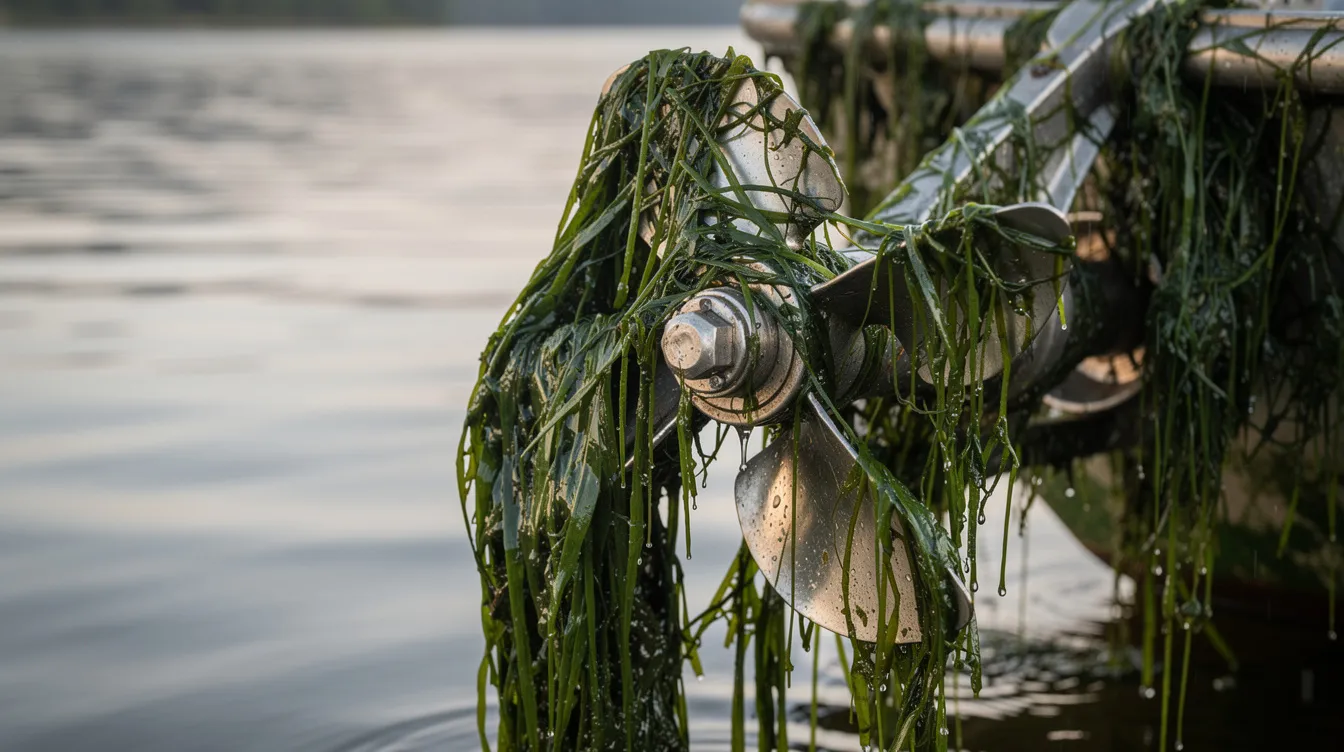
- Eurasian watermilfoil - Feathery, whorled underwater leaves (12–21 leaflet pairs), reddish stems, summer flower spikes. Widespread across the great lakes and Champlain region. Often first noticed when propellers clog with vegetation near the water surface.
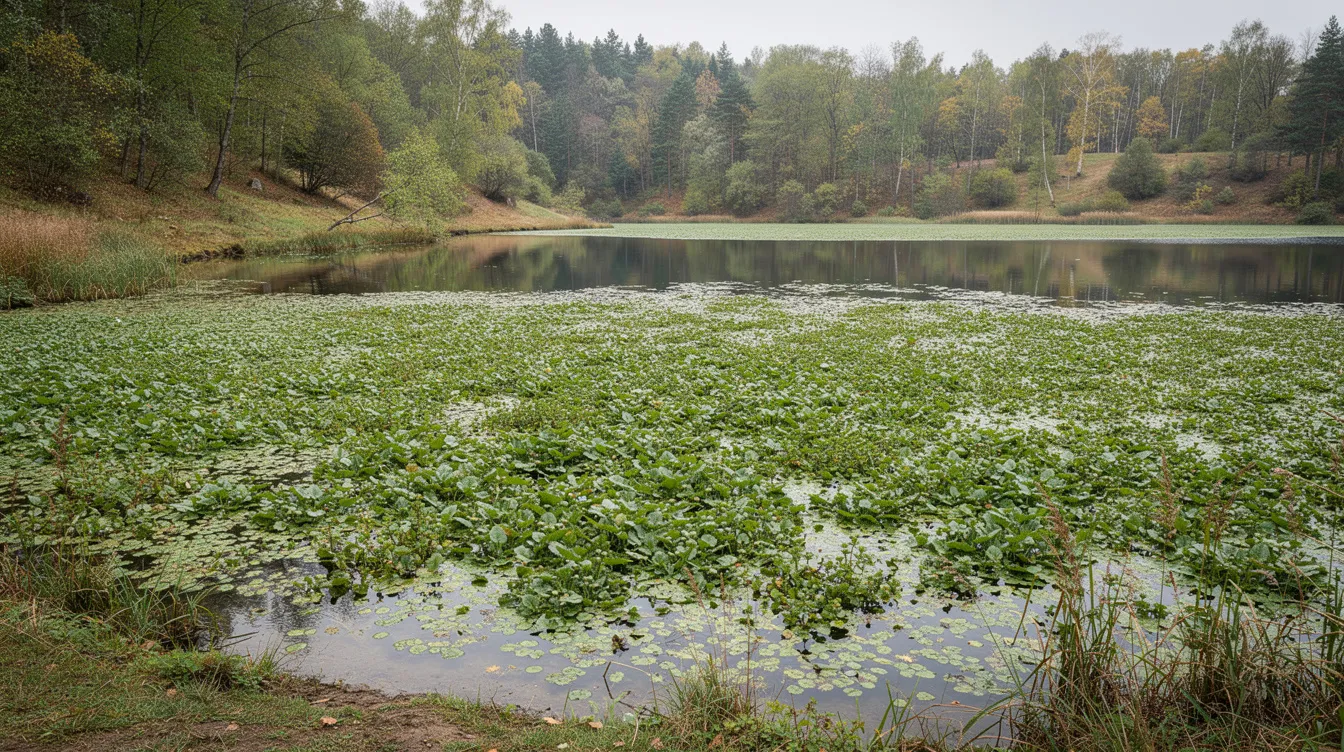
- European frog bit - Small floating kidney-shaped leaves, three-petaled white flowers with yellow centers. Forms surface mats in quiet coves and wetlands in Ontario, the St. Lawrence, and border waters of NY and VT.
- Starry stonewort - An invasive macroalga with star-shaped bulbils at nodes, crunchy texture, forming thick carpets 6–8 feet tall that smother fish spawning habitat in shallow areas of inland lakes.
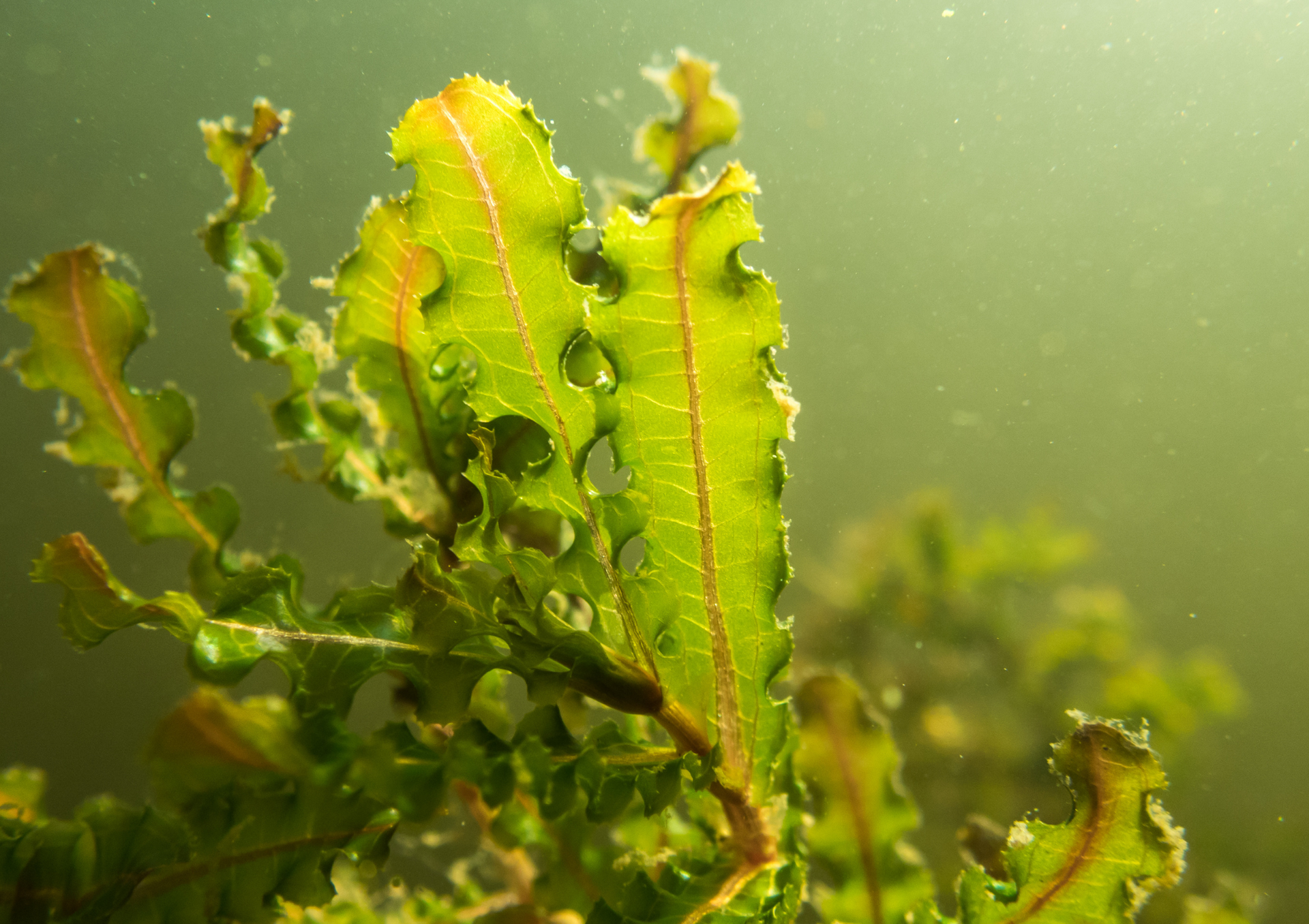
- Curly-leaf pondweed - Wavy, serrated leaves; turion germination rates of 60– 80%; starts growing under ice, giving it a spring advantage over native species.
- Hydrilla - Whorled leaves with sharp teeth, spreads from tubers in mud; nearly impossible to eradicate once established.
- Water chestnut - Triangular floating rosettes with saw-toothed edges and hard barbed nuts dangerous to bare feet; severe infestations block channels along the Hudson and Mohawk rivers.
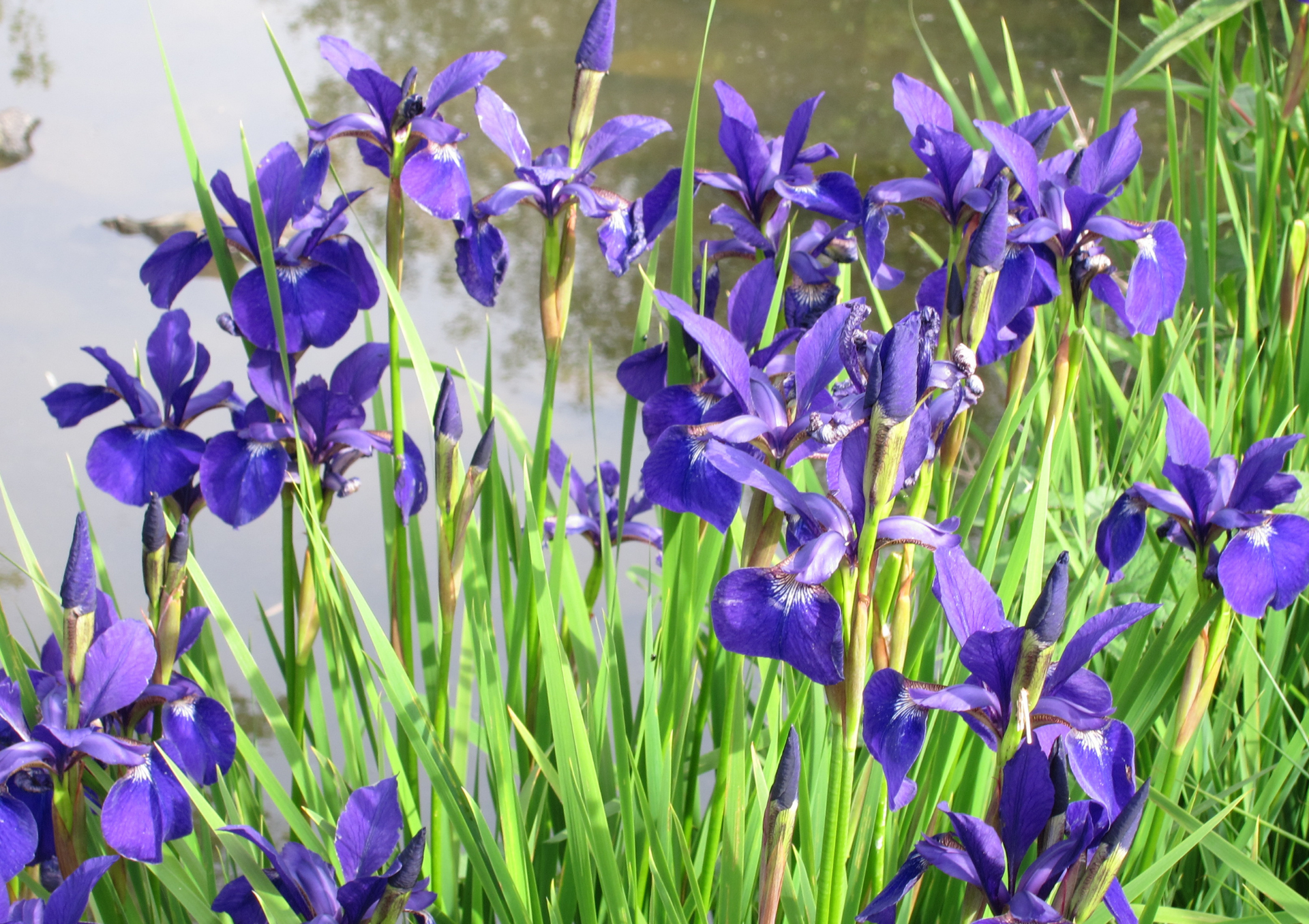
- Phragmites and purple loosestrife - Shoreline invaders that reduce native habitat in wetlands, crowding out food and shelter for wildlife, waterfowl, amphibians, and native animals.
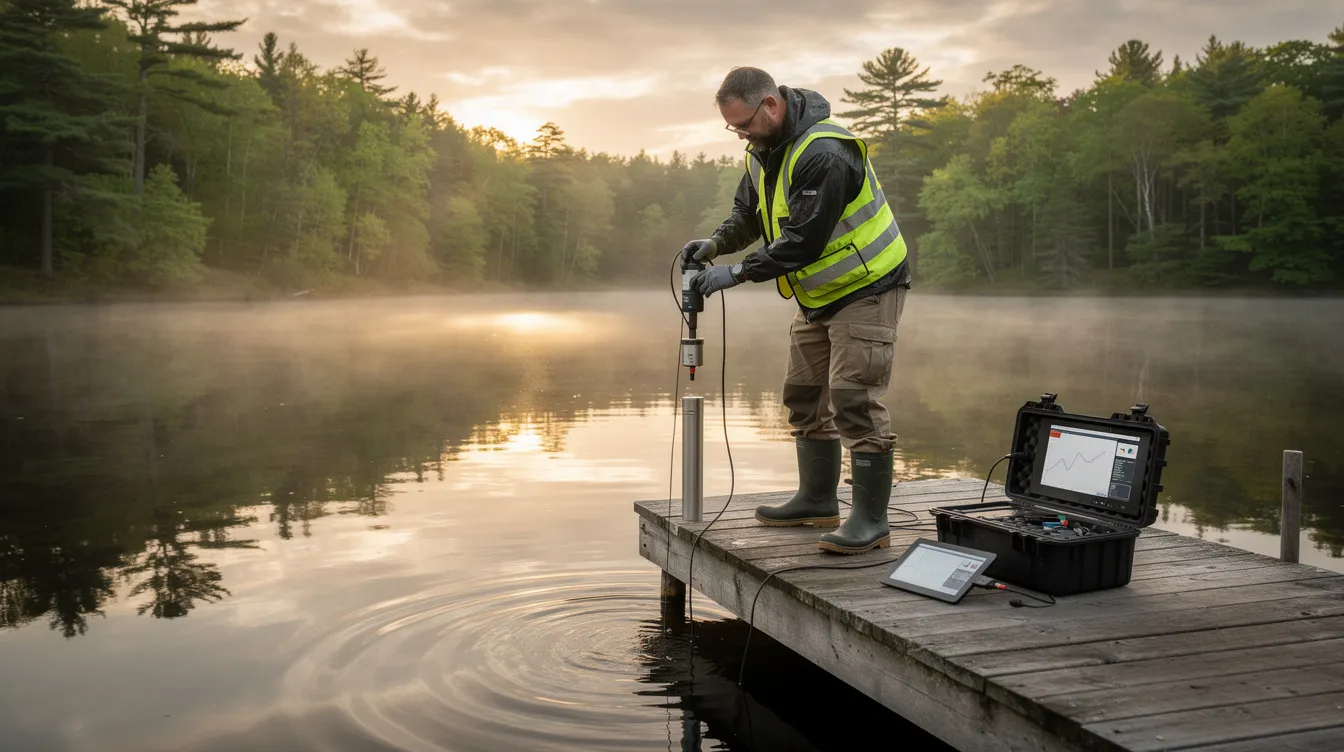
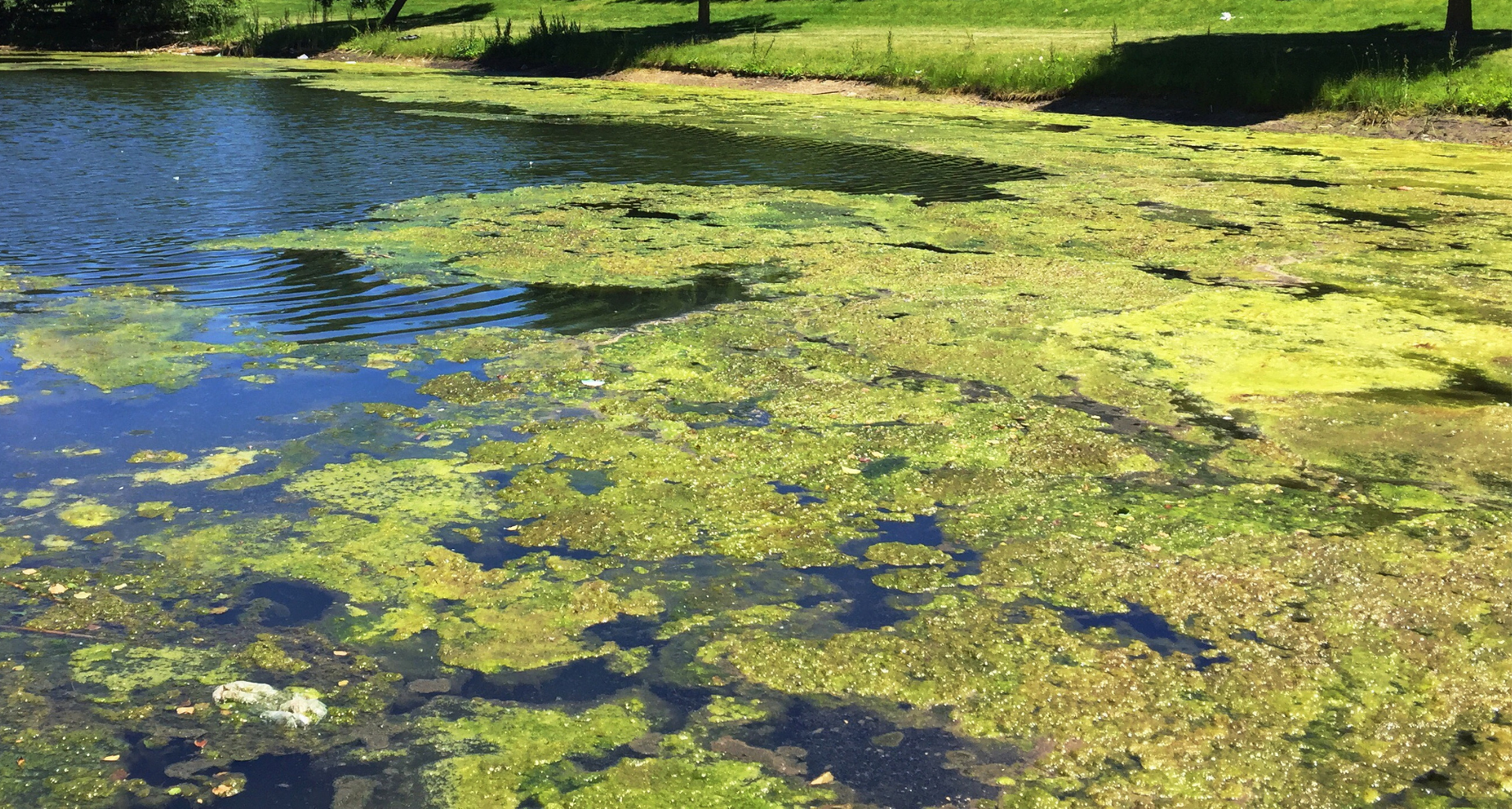
They form dense mats that block sunlight and reduce oxygen levels in water, degrading aquatic habitats for fish and invertebrates. Ready Scout offers professional plant surveys, water quality monitoring, and GPS lake mapping to distinguish invasive species from beneficial native plants, including terrestrial plants along shorelines.
Ecological, Recreational, and Economic Impacts
Aquatic invasive plants are far more than a visual concern. Invasive plant species can cause ecological and economic harm in freshwater and marine environments, and they can significantly increase the costs of managing water access and recreation.
Ecological damage:
- Aquatic invasive plants reduce biodiversity by displacing native species and can alter water quality and disrupt local food webs, affecting what fish, animals, and predators feed on
- Starry stonewort blankets spawning shoals; Eurasian watermilfoil monocultures eliminate habitat complexity that native aquatic plants provide
- Invasive species reduce water quality and recreational opportunities across entire aquatic ecosystems
Water quality effects:
- The decomposition of aquatic invasive plants can lead to hypoxic conditions, releasing phosphorus from sediments and fueling harmful algal blooms-a growing threat to human health in NJ, NY, and VT lakes
- Pathogens, parasites, and diseases can spread more easily in degraded water where oxygen is low and biodiversity has collapsed
Recreation and safety:
- Propeller fouling, kayak entrapment, blocked swimming areas, and reduced fishing access near the surface during summer
- European frog bit and water chestnut can close off narrow channels and launch areas, limiting recreational use
Economic costs:
- Economic impacts of aquatic invasive plants include increased management costs and reduced property values; infestations cause habitat disruption and loss of property values for waterfront homeowners
- Aquatic invasive species can cause significant economic harm through reduced tourism revenue, higher association fees, and liability concerns for marinas and structures near impaired lakes
- Agriculture operations drawing irrigation water also face increased filtration costs Early, well-designed control programs cost far less over a 5–10 year period than emergency responses to fully established infestations. Proactive management built around sustainable lake and pond management practices helps protect natural resources and community investment alike.
Prevention, Early Detection, and Regulatory Compliance
Effective prevention of aquatic invasive plants is generally the most efficient strategy. Regulations in NJ, NY, VT, and Ontario increasingly require responsible practices from boaters and lake managers. Educational outreach, backed by expert lake and wetland management guidance, is a key prevention method for invasives at every level.
Prevention for lake users:
- Clean, Drain, and Dry prevents aquatic invasive species spread-remove all vegetation, drain live wells, and dry equipment between launches
- Courtesy Boat Inspections are conducted at boat ramps across NY and VT to catch hitchhiking fragments
- Boat ramp warning signs inform about infestation status at many public launches
Monitoring and early detection:
- Schedule at least one trained survey per growing season (June–August) targeting boat ramps, inflow streams, and sheltered bays
- eDNA methods help in early detection of invasive species before visible populations establish
- Ready Scout trains volunteer communities in field identification, reporting protocols, and data collection
Regulatory framework:
- Chemical treatments, harvesting, and benthic barriers require permits from NJDEP, NYSDEC, Vermont DEC, or Ontario MECP and conservation authorities
- Some aquatic invasive species are prohibited to possess or transport, affecting how plant fragments and equipment must be handled
Ready Scout assists clients with permit applications, treatment reporting, pre- and posttreatment monitoring, and coordination with regulators through its professional lake consulting and management services. Well-documented programs also stand a better chance of receiving grant funding when available.
Control and Long-Term Lake & Pond Management Strategies
No single tool solves every invasive aquatic plant problem. Integrated lake and pond management strategies that combine mechanical, chemical, and ecological methods deliver the best long-term results for any water body in the region.
Mechanical and physical methods:
- Hand-pulling works for small patches
- DASH (diver-assisted suction harvesting) targets submerged species like eurasian watermilfoil without fragment spread
- Mechanical harvesting covers large areas but risks spreading fragments
- Benthic barriers smother localized beds in ponds and shallow zones
Chemical control:
- Herbicides such as 2,4-D, triclopyr, and florpyrauxifen-benzyl can selectively target invasive aquatic plants while protecting native species when applied correctly when guided by expert plant and algae management services
- Product selection, dosage, and timing must comply with label requirements and permits; post-treatment monitoring is essential
Biological and ecological tools:
- Milfoil weevils and strictly regulated grass carp offer biological options in certain situations
- Reducing nutrient inputs from septic systems, fertilizers, and stormwater lowers phosphorus and limits the environment that favors invasive species over native plants
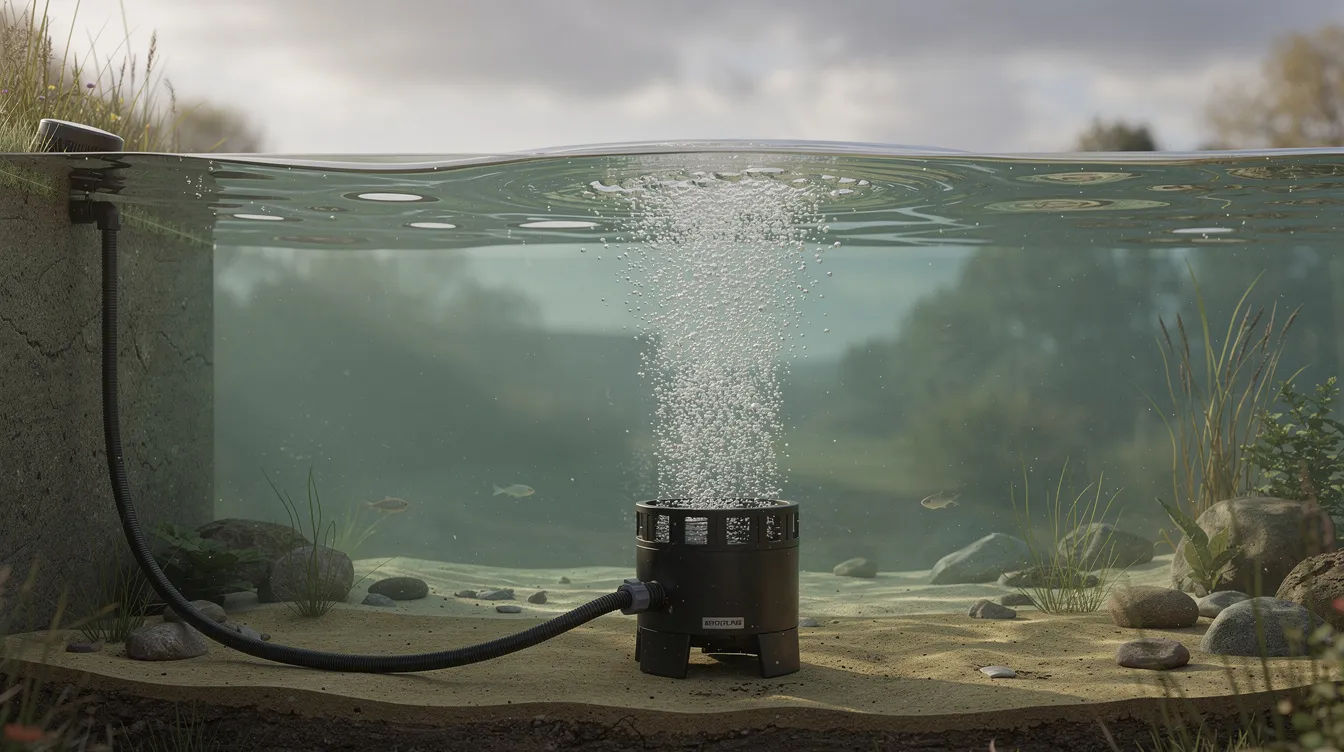
Integrated lake management with Ready Scout: Ready Scout develops multi-year plans combining water quality monitoring, aquatic plant and algae management, aeration system design, and community education. Services include baseline plant surveys, GPS lake mapping, aeration and circulation installation, ongoing water sampling, and lake consulting and management services to help lake communities build self-sufficient governance programs through dedicated lake community self-sufficiency consulting. Don't wait until your lake is fully choked-calling Ready Scout early allows smaller, more targeted, and affordable interventions.
Frequently Asked Questions About Aquatic Invasive Plants and Ready Scout Services
Below are common questions from lake associations and pond owners not fully covered above.
How do I know if my lake has an invasive aquatic plant problem?
Signs include unusually dense weed growth near the surface, unfamiliar vegetation appearing after boats visit from other waterbodies, or plants that look different from long-standing native species. Take clear photos, note the location (cove, launch, inlet), and contact Ready Scout for a professional survey. One-time assessments and recurring annual monitoring are both available.
When is the best time of year to treat invasive aquatic plants?
Timing depends on the species, but many treatments in NJ, NY, VT, and Ontario occur from late spring through early summer when plants are actively growing but before peak recreation. Targeting curly-leaf pondweed before turion production, for example, dramatically reduces re-growth. Ready Scout evaluates water temperature, species, and permit windows to recommend specific dates.
What will Ready Scout actually do during a site visit?
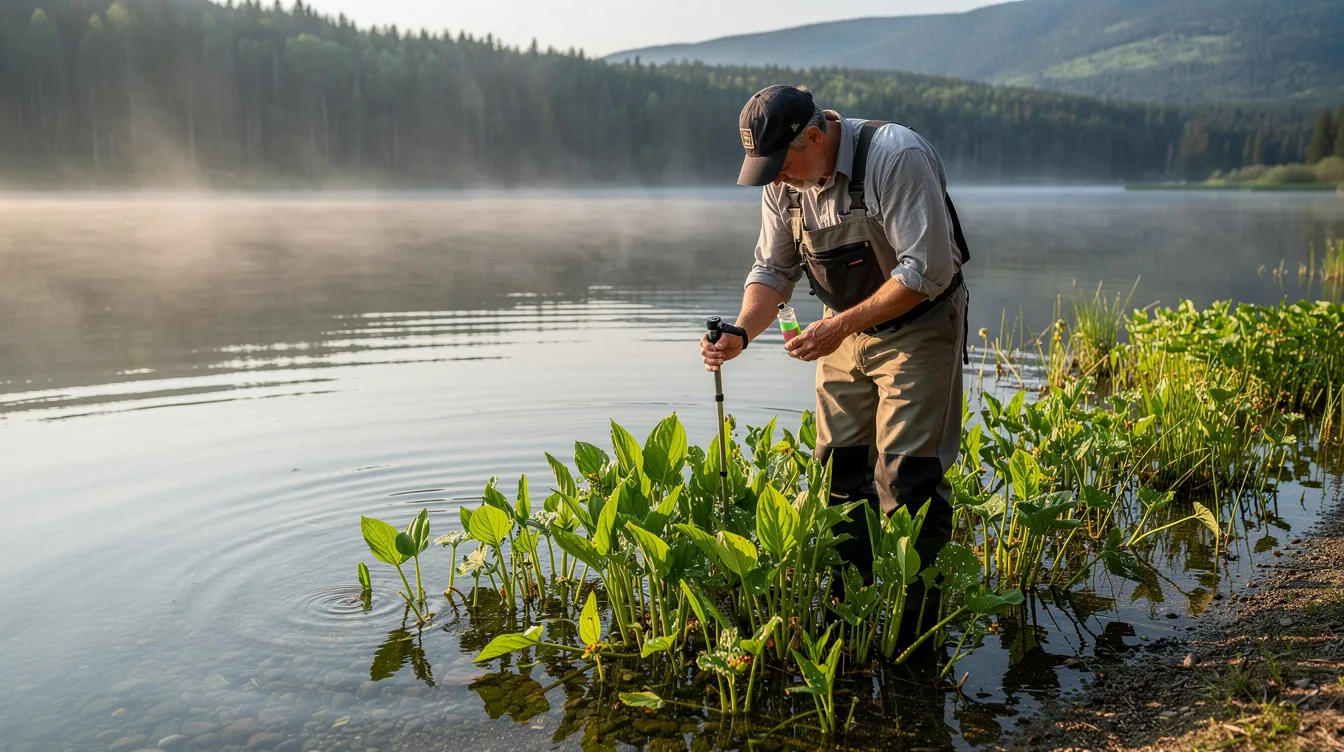
A typical visit includes shoreline inspection, on-water survey using rake tosses or underwater cameras, GPS mapping of suspected invasive beds, and discussion with the owner or lake association. Ready Scout may collect plant samples for confirmation and review existing water quality data or treatment records. The outcome is a written summary with management options, estimated budgets, and permitting next steps.
Can our lake association manage invasive species ourselves after initial setup?
Many groups choose a hybrid approach: Ready Scout handles permitting, initial treatments, and baseline surveys, then trains local volunteers for routine monitoring. Ready Scout's lake community self-sufficiency consulting includes plant ID training, data collection templates, and annual planning checklists so boards can make informed decisions year after year.
How do we get started with Ready Scout?
If you're in northern New Jersey, upstate New York, Vermont, or southern Ontario, contact Ready Scout by phone or through the website to schedule an initial consultation. Review information about Ready Scout's lake management consulting and confirm your lake falls within their New Jersey and New York service area before you call. Share your lake's location, size, known issues, and any photos so Ready Scout can propose a tailored aquatic invasive species management and water quality program. Early action protects your lake, your property values, and the ecosystems your community depends on.