Lake Management Services in New York
Lake Management Services Tailored for New York Communities
When algae blooms close your beach mid-July, invasive weeds choke your coves, or murky water turns away swimmers and lowers property values, your New York lake needs more than a quick fix - it needs a science-based management program built for the specific conditions of your water body. Ready Scout provides professional lake and pond management services across upstate New York, helping lake associations, HOAs, private landowners, municipalities, and camps restore and protect the waterbodies their communities depend on.
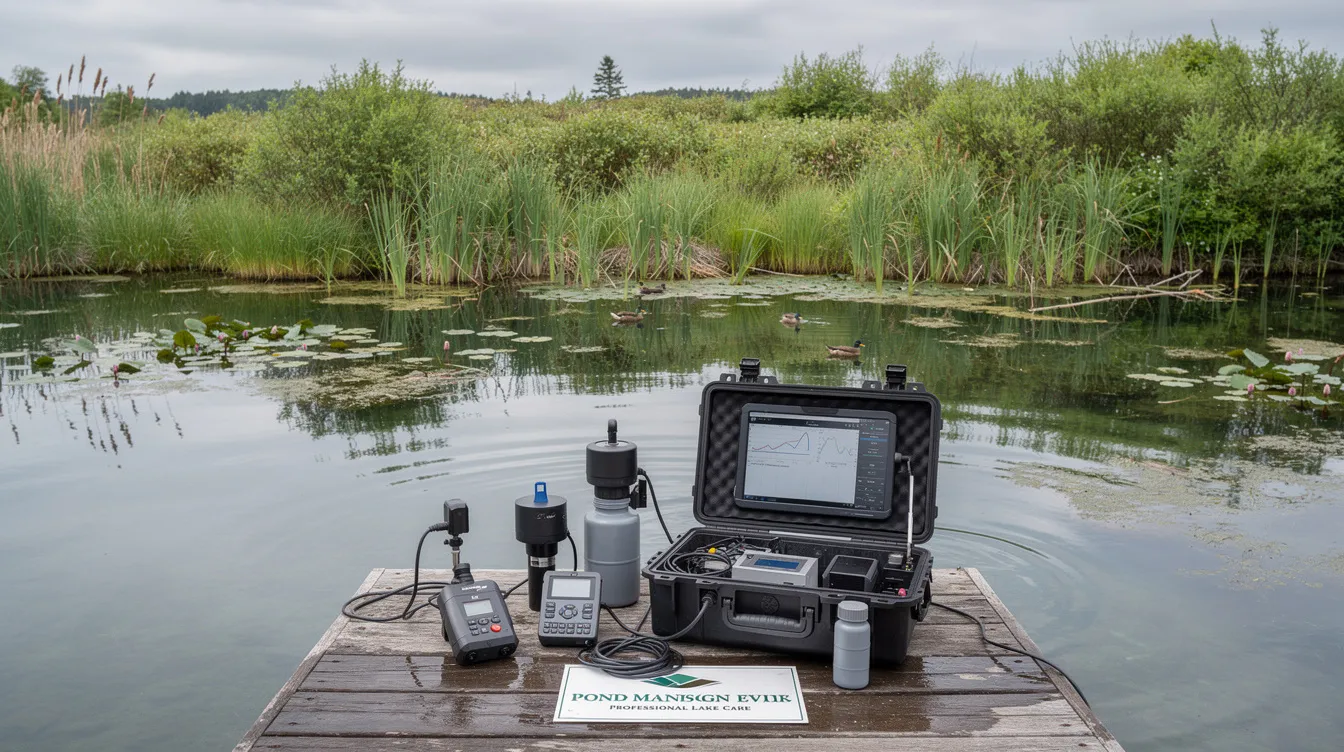
New York's lakes face a distinct set of pressures: spring nutrient pulses from snowmelt, summer stratification that starves deeper water of oxygen, harmful algal blooms driven by excess phosphorus, and a growing list of invasive species that spread from launch to launch. Successful lake management requires a tailored management approach based on specific water body conditions - not a one-size-fits-all chemical application. Acting before the growing season, ideally from ice-out through early May, is critical for securing NYSDEC permits, establishing monitoring baselines, and scheduling preemptive treatments before problems become emergencies.
Ready to protect your New York lake or pond? Reach out with your lake's location, size, and main concerns to schedule an initial consultation - we typically respond within one business day.
Why New York Lake Communities Trust Ready Scout
Ready Scout combines deep regulatory knowledge with hands-on field experience across a wide range of NY lakes and ponds. Here's what that means in practice:
Key Credentials and Experience
- Certified Lake Manager (CLM)-led team with 30+ years of professional lake and pond management experience in New York and the Northeast. Meet our principal.
- Deep fluency with NYSDEC permitting, including the expanded 2025 freshwater wetlands regulations under New York's Environmental Conservation Law - we understand which projects need permits and how to keep timelines on track. Permits must be filed with the New York State Department of Environmental Conservation, and the permitting process can take up to three months.
- Experience across New York waterbody types: small HOA ponds, community swimming lakes, golf courses, stormwater basins, and natural lakes in regions including the Hudson Valley, Catskills, Adirondack foothills, Capital District, and Finger Lakes.
- Fully insured and licensed, using only NY-registered aquatic products and management practices for algae control, aquatic weed control, and invasive species management. Lake management companies should possess relevant New York State certifications and licenses.
Why New York Chooses Ready Scout for Lake Management
Most lake management programs fail not because the wrong product was applied, but because no one understood the lake's ecology, regulatory constraints, or nutrient sources before pulling the trigger. Ready Scout is a lake management company built around data, compliance, and ecological balance - not reactive chemical dumps.
What Sets Our New York Lake Management Apart
- Locally tuned strategies: Management plans account for New York's specific climate and seasonality - ice cover, spring melt pulses, July–August harmful algal blooms - so treatments are timed for maximum effect and minimal disruption. Ecological balance is a primary focus in effective lake management.
- Compliance without chaos: We coordinate NYSDEC and local approvals where needed, including aquatic pesticide permits, wetland disturbance permits, and drawdown approvals, so associations and property owners avoid fines and delays. Violations of regulatory requirements can lead to steep fines.
- Less guesswork, more monitoring: Recurring water quality monitoring - Secchi depth, total phosphorus, nitrogen, chlorophyll-a, dissolved oxygen profiles, and bacteria where relevant - informs every decision. Water quality testing can reduce chemical use by 20% to 40%.
- Priority on reduced chemical load: We focus on nutrient control, aeration, shoreline buffers, and physical removal so many lakes see lower herbicide and algaecide use over time.
- Lake community self-sufficiency: Ready Scout trains boards and committees in basic monitoring, record-keeping, and resident education through our self-sufficiency consulting, so lakes become more resilient and less crisis-prone.
New York Lake Management Services
Our services are offered as one-time assessments or multi-year lake management programs, tailored for each waterbody's size, use - swimming, fishing, drinking-water-adjacent, decorative - and regulatory setting. Ready Scout works across northern New Jersey, upstate New York, Vermont, and Ontario, but this page focuses on New York lakes and ponds. Below are the core service categories most relevant to New York clients.
Water Quality Monitoring & Lake Assessment in New York
Poor water quality is often the root cause behind beach closures, fish kills, and declining property values around NY lakes. Routine water quality monitoring is essential in managing lakes and ponds and is the foundation of every management plan we develop.
Our monitoring services include:
- Routine sampling for nutrient levels (total phosphorus, total nitrogen), water clarity (Secchi disk), chlorophyll-a, dissolved oxygen and temperature profiles, and bacteria screenings where relevant.
- Lake mapping using GPS and depth/bathymetric surveys to understand volume, shoals, and sediment build-up that drives weed growth and internal phosphorus loading.
- Reports that translate technical data into clear recommendations for lake associations, including seasonal trends, harmful algal bloom risk, and priority projects.
Monitoring programs like CSLAP assess lake water quality annually across New York State, and our programs complement and build on that public data. According to the 2026 LakeQuality.org report, of roughly 180 graded lakes, about 63.6% earned A or B water quality grades - but approximately 13.6% scored D or F, with nutrients as the top cause of impairment.
Algae and Aquatic Weed Control
New York lake owners regularly deal with filamentous algae mats, planktonic algae blooms, Eurasian watermilfoil, curly-leaf pondweed, water chestnut, and duckweed choking coves and shorelines. Harmful algal blooms threaten aquatic ecosystems and recreation, and phosphorus is the limiting nutrient that drives them.
Ready Scout uses a full range of tools for plant and algae management: mechanical harvesting (which can remove 1–3 acres of plants per day), hand harvesting as a free method for managing aquatic plants in sensitive areas, spot and whole-lake aquatic herbicide programs compliant with NYS registrations, and habitat or flow modifications. Copper sulfate is commonly used to control algal blooms - for example, Truesdale Lake has been treated with copper sulfate for over 50 years. Excess nutrients can lead to poor water quality and algal blooms, which is why we design treatment schedules that fit New York's permit windows and protect recreation from Memorial Day through Labor Day while preserving beneficial native vegetation.
Invasive Species Management (AIS) in New York Lakes
Invasive species control is a critical component of lake management in New York. Eurasian watermilfoil, hydrilla (detected in Cayuga Lake's southern inlet as early as 2011), zebra mussels, water chestnut, and starry stonewort are present or emerging across many inland lakes. Curly leaf pondweed dominates Truesdale Lake's aquatic plant community, and alewife was first documented in Truesdale Lake on June 2, 2016.
Our services include invasive plant mapping, early detection surveys, hand-harvesting plans for sensitive areas, and integration with regional boat-inspection and "Clean, Drain, Dry" education programs. Preventing invasive species spread focuses on boat launch management. We develop realistic, multi-year management strategies for lakes already infested, balancing recreational activities with long-term reduction of invasive coverage.
Aeration and Circulation System Design & Installation
Shallow, nutrient-rich New York ponds and small lakes benefit significantly from aeration and circulation systems. Aeration systems improve water quality in lakes and ponds by increasing dissolved oxygen levels. Artificial circulation prevents stratification and reduces anoxia - which in turn lowers internal phosphorus release, controls odor, and helps maintain healthier conditions for aquatic life. Aeration can decrease the probability of algae blooms.
Ready Scout designs systems based on bathymetry and power access, choosing between diffused aeration, surface fountains, and circulators depending on depth, size, and management goals. Systems are sized for New York's climate - winter ice conditions, power demands, and seasonal operation schedules - and can be installed and maintained on an annual basis. Aeration is often paired with watershed nutrient controls and targeted plant management for best results.
As a reference point, Mohegan Lake in Yorktown, NY invested approximately $341,205 in an aeration device installation in 2023 to improve water quality and wildlife habitat. Lake Agawam in Southampton deployed 42 aerators along its shoreline, achieving reduced plant decay, improved odor control, and enhanced fish habitat.
Regulatory Compliance & NYSDEC Permitting Support
Many New York lake projects now require permits due to 2025 expansions of freshwater wetland protections and ongoing NYS DEC oversight of aquatic pesticides. New York's regulations cover one million acres of freshwater wetlands. Compliance with environmental regulations is crucial for lake management in New York, and regulatory compliance includes navigating local and state permitting processes.
Activities that commonly need permits include: application of registered aquatic herbicides and algaecides (Part 327), work in mapped or unmapped wetlands, drawdowns, dredging, structural shoreline work, and stormwater retrofits near lakes. Ready Scout helps clients determine whether their water body falls under NYSDEC wetlands rules, prepares technical documentation, and coordinates timelines to avoid missing treatment windows - because permits are required for lake management activities in New York, and the permitting process can take up to three months.
Lake Community Consulting & Self-Sufficiency
Many New York lakes are governed by boards or associations that need guidance on budgets, reserves, and prioritizing projects - when to invest in aeration vs. dredging vs. buffer plantings. Effective lake management requires a combination of watershed and in-lake practices, and communities benefit from understanding how those pieces fit together.
Our consulting services include board workshops, annual management planning sessions, development of simple monitoring protocols residents can run (Secchi readings, photo logs), and communication materials for members. This support is especially valuable for multi-stakeholder lakes - shared municipal and private shorelines, HOAs, and camps - common across New York State.
What to Expect When You Work With Us
The process is straightforward but thorough. Early planning - late fall through winter - is ideal for New York growing-season projects, giving enough time for permits, monitoring setup, and treatment scheduling.
Step 1: Site Conversation and Initial Assessment
We start with a phone or video consultation to discuss your lake's history, current problems (recent HAB notices, weed complaints, erosion), and location within New York. We gather existing data - old reports, NYSDEC notices, photos - and schedule an on-site visit for visual assessment and sample collection when appropriate. You'll receive a clear scope outline and estimated timeframe, including any anticipated permitting needs.
Step 2: Plan Development and Implementation
Monitoring results and field observations are translated into a written lake management plan tailored to your specific water body - with goals, a treatment calendar, a monitoring schedule, and cost ranges. We coordinate any needed permits before herbicide, algaecide, or structural work. Then we execute the agreed program: scheduled treatments, aeration installs, shoreline work, and routine site checks through spring, summer, and fall.
Step 3: Review, Reporting, and Long-Term Care
Clients receive simple, understandable summaries of water quality data, treatment logs, and visual changes each season. Plans are adjusted annually based on results, regulatory changes, and evolving community priorities - for example, shifting focus from weed control to nutrient reduction once aquatic weeds are stable. Multi-year partnerships help stabilize budgets and steadily reduce emergency interventions, with the goal of predictable, swimmable, and aesthetically pleasing lakes each New York summer.
Results and Example New York Lake Projects
Every lake is different, but past New York projects illustrate the types of improvements clients can expect.
Case Study: Truesdale Lake - Eutrophic Lake in the Hudson Valley
Truesdale Lake is classified as a eutrophic lake with a 2,000-acre watershed and serious nutrient loading challenges. Nutrient levels in Truesdale Lake exceed the NYSDEC standard of 20 µg/L, with high total phosphorus levels reaching 300 µg/L - far above New York State's phosphorus standard of 20 µg/L. Herbicides have been used in Truesdale Lake for over 20 years, and copper sulfate has been used for over 50 years to manage algal blooms. This case demonstrates why long-term pond management solutions must address nutrient sources - including septic systems, stormwater, and organic matter - rather than relying solely on chemical control. Alum treatment can seal bottom sediment to prevent phosphorus recycling, offering a pathway toward reducing the cycle of recurring algae growth.
Case Study: Upstate New York HOA Swimming Lake
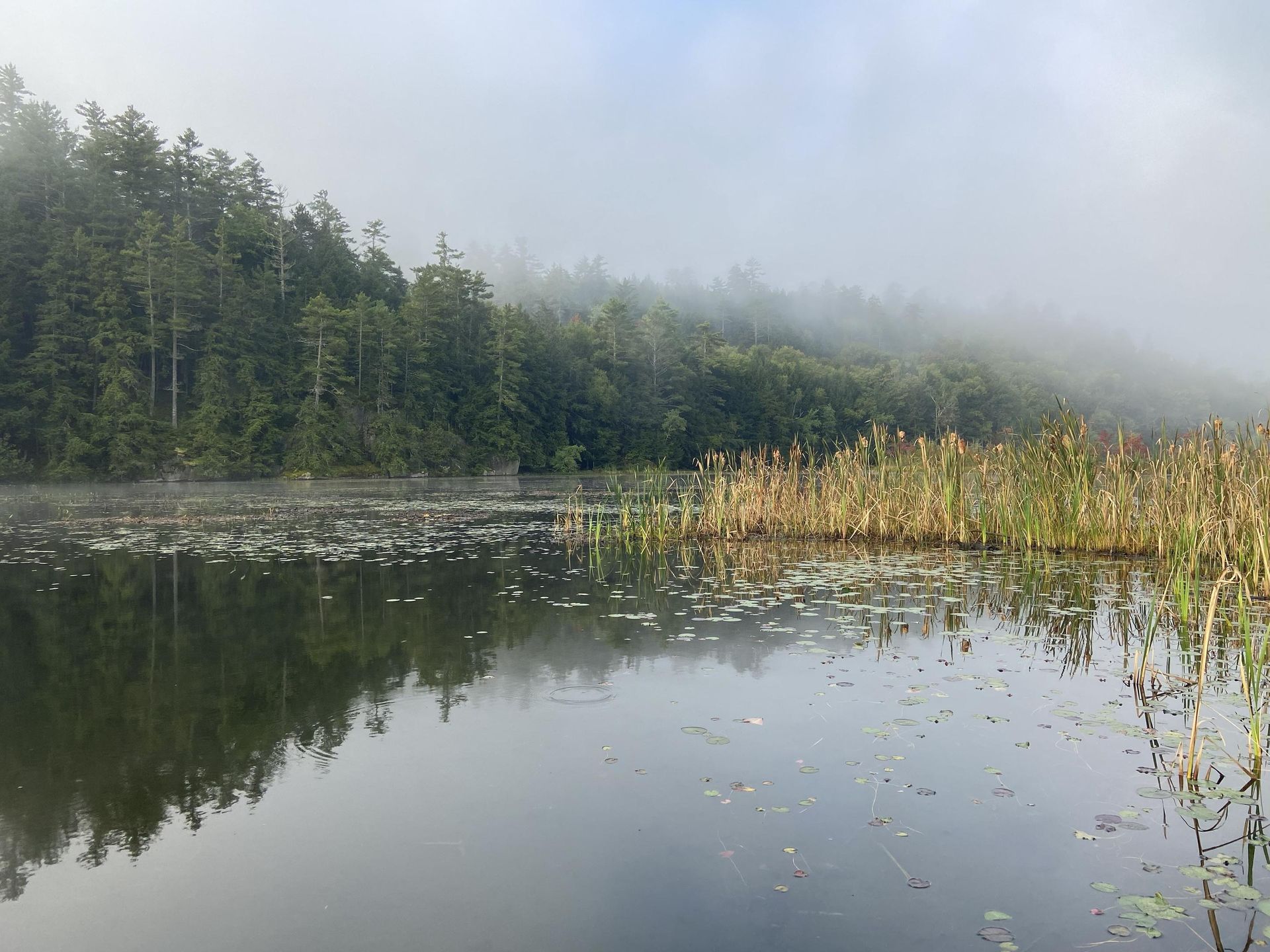
A small-to-medium HOA lake in upstate New York struggled with mid-summer algae blooms, excessive plant growth near the beach, and frequent member complaints. Ready Scout's approach included baseline water quality testing, a plant survey, recommendation of diffused aeration, targeted plant treatments, and shoreline buffer installation. Outcomes included an extended swimming season without closures, improved water clarity, fewer nuisance plant mats around docks, and a more predictable annual management budget for the HOA.
New York Regions, Cities, and Counties We Serve
Ready Scout focuses on upstate New York and nearby regions, and can often consult remotely for more distant sites before visiting.
Primary New York Service Areas
- Hudson Valley corridor: Communities near Newburgh, Poughkeepsie, Kingston, Hudson, and surrounding lake associations.
- Capital District and Mohawk Valley: Projects in and around Albany, Schenectady, Troy, Saratoga Springs, and nearby towns with private and municipal lakes.
- Central New York: Lakes and ponds near Utica, Syracuse, Ithaca, and adjacent rural and suburban communities.
- Western and Finger Lakes region: Management and consulting for properties around Rochester, the Finger Lakes area, and nearby reservoirs and ponds.
- Adirondack foothills and upstate communities: Select projects - including areas near Lake George - for associations and private owners where regulatory and ecological sensitivity is especially high.
Service availability can vary for very remote sites. Interested associations or property owners should reach out to confirm coverage.
Regulatory Considerations for Lake Management in New York
New York has some of the most closely regulated freshwater systems in the Northeast. Missteps can delay projects by an entire season or trigger enforcement. Aquatic ecosystem management services often include permitting and regulatory compliance - and Ready Scout builds that into every engagement.
NYSDEC Aquatic Pesticide and Wetlands Rules
Most herbicide or algaecide applications to lakes and ponds require NYSDEC review, use of products registered for New York, and careful adherence to label restrictions. As of 2025, many additional freshwater wetlands and adjacent areas are regulated under the York State Department of Environmental Conservation's expanded rules, meaning more ponds and fringe zones now fall under permit requirements. Ready Scout helps determine when a permit is required, compiles site maps and project rationales, and aligns treatment timing with DEC approval windows.
Local Ordinances, Drawdowns, and Shoreline Work
In addition to state rules, many towns and counties in New York have their own shoreline, stormwater, or local ordinances affecting management options. Annual or winter drawdowns, dam adjustments, shoreline stabilization projects, and stormwater retrofits often need coordination with local boards or engineering departments. Ready Scout factors these constraints into every management plan so projects proceed smoothly and legally.
Get Started with Lake Management in New York
Healthier, clearer, more reliable lakes and ponds - with fewer surprises and simpler compliance - start with a single conversation. Whether you're a lake association, HOA, municipality, or private property owner, Ready Scout delivers science-based lake and watershed management across upstate New York and nearby regions.
Reach out with your lake's location, size, and main concerns to schedule an initial consultation and review of options. We typically respond within one business day.
Frequently Asked Questions About Lake Management in New York
These FAQs address common concerns that slow down decisions for New York lake associations and property owners.
How much does professional lake management cost in New York?
Costs vary based on lake size, the nature of the problem (single-cove weed issue vs. whole-lake harmful algal blooms), and the intensity of monitoring. Ready Scout provides ballpark annual program ranges after an initial conversation and map review. Multi-year lake management programs often reduce emergency costs and spread major investments - like aeration or alum application - over time, delivering a long term solution rather than year-to-year surprises.
When should we start planning for summer weed and algae control?
In New York, serious planning should begin late fall through winter so water quality testing, permit applications, and scheduling are in place before spring algae growth. Waiting until June or July usually limits options and can mean living with problems for that season due to permit and scheduling constraints. Regular maintenance on an annual basis yields long term success.
Do we always need a permit from NYSDEC for lake treatments?
Many, but not all, lake management activities require permits. Aquatic herbicides, algaecides, and work in regulated wetlands almost always do, while basic monitoring and some manual removal may not. Ready Scout helps determine what is required for a specific project and handles the technical pieces of the application where engaged to do so.
Can we reduce chemical use in our New York lake over time?
For many lakes, yes - especially when nutrient controls, aeration, buffer plantings, and better watershed management practices are put in place. Ready Scout's long-term plans are designed to shift from reactive, frequent treatments toward more stable, preventative management strategies whenever conditions and budgets allow. Among other factors, addressing septic systems, erosion, and water level management can meaningfully improve water quality.
Is it safe to swim and fish after treatments?
All products are applied in accordance with NYS registrations and label restrictions, which include specific waiting periods for swimming, irrigation, and fishing where necessary. Ready Scout provides clear guidance before each treatment so residents know exactly when and where any temporary restrictions apply, ensuring healthy water for human uses and aquatic life across the food web.