Weed Control in Lakes: Practical Strategies for Clear, Healthy Water
Managing aquatic weeds effectively protects your waterfront area, maintains property values, and ensures safe recreational activities for years to come. Whether you’re battling invasive plants choking your dock or algae clouding your swimming areas, the right combination of strategies makes all the difference.
Key Takeaways
- Lake weed control protects water quality, safety, and property value across lakes and ponds in northern New Jersey, upstate New York, and southern Ontario.
- Nuisance weeds can be managed safely with a mix of mechanical, biological, and EPA-registered herbicide tools.
- Ready Scout, LLC provides permitting, plant identification, and turnkey weed control programs so lake associations don’t have to navigate complex regulations alone.
- Long-term success comes from addressing nutrients (runoff, sediments) alongside weed removal—not from “one and done” treatments.
- Regular monitoring and early detection of weed growth are crucial for maintaining lake health.
- Combining multiple weed control methods is the most effective long-term strategy for managing lake weeds.
What Is Lake Weed Control and Why It Matters
Lake weed control refers to the management of nuisance and invasive plants in lakes, ponds, and other aquatic sites to protect recreation, ecology, and infrastructure. Understanding the distinction between beneficial native plants and problematic species is essential for any management approach.
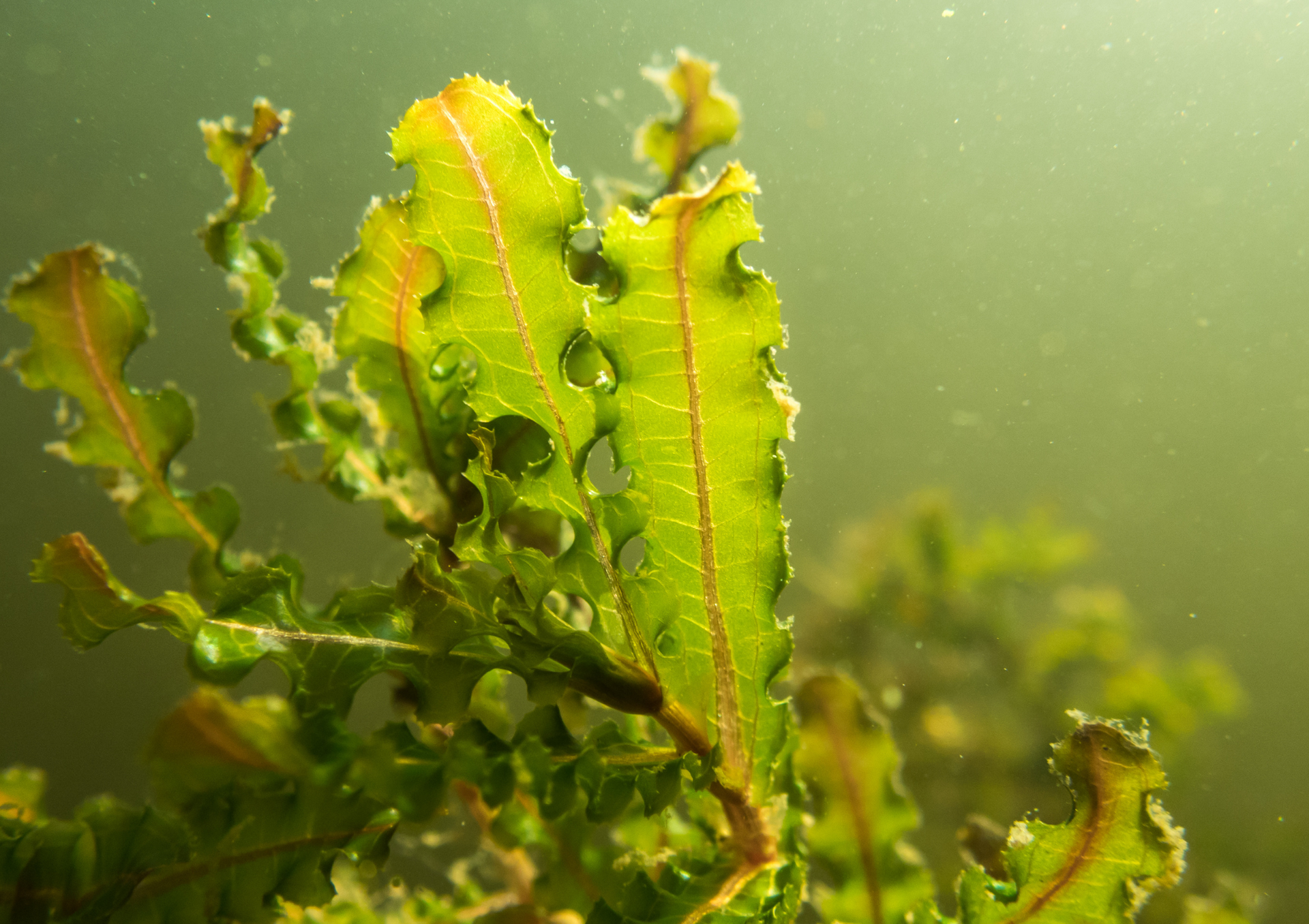
Native plants like wild celery and pondweed stabilize sediments and provide habitat for fish and other wildlife. However they can also impact water quality and recreational use if left unchecked. By contrast, invasive lake weeds such as Eurasian watermilfoil, curly-leaf pondweed, and water chestnut form dense underwater mats that:
- Block access to docks and swim areas
- Reduce dissolved oxygen levels, potentially triggering fish kills
- Fuel algae blooms and degrade water quality
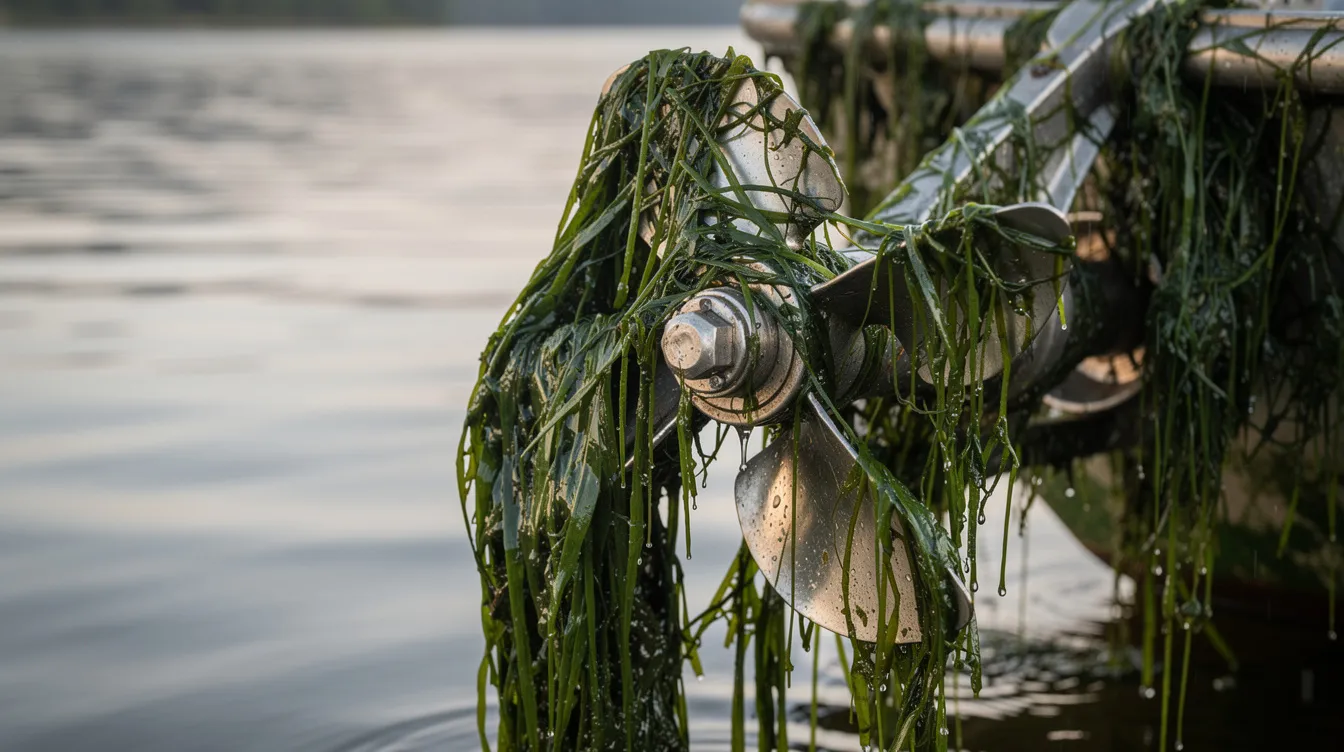
- Interfere with boating and fishing
In regions like northern New Jersey and upstate New York, dense weed growth typically peaks from late June through August due to warm water temperatures and elevated nutrients. Effective aquatic weed control blends prevention, early detection, and targeted intervention rather than relying on a single approach.
Common Types of Lake Weeds in the Northeast
Accurate species identification drives effective management since strategies vary significantly by plant type:
Submerged Invaders:
- Eurasian watermilfoil and curly-leaf pondweed form dense underwater mats
- Hydrilla creates large stands capable of choking waterways
- These spread rapidly through fragmentation—a single stem can regenerate
Floating and Emergent Weeds:
- Floating weeds such as water chestnut and duckweed surface infestations create surface mats limiting light penetration
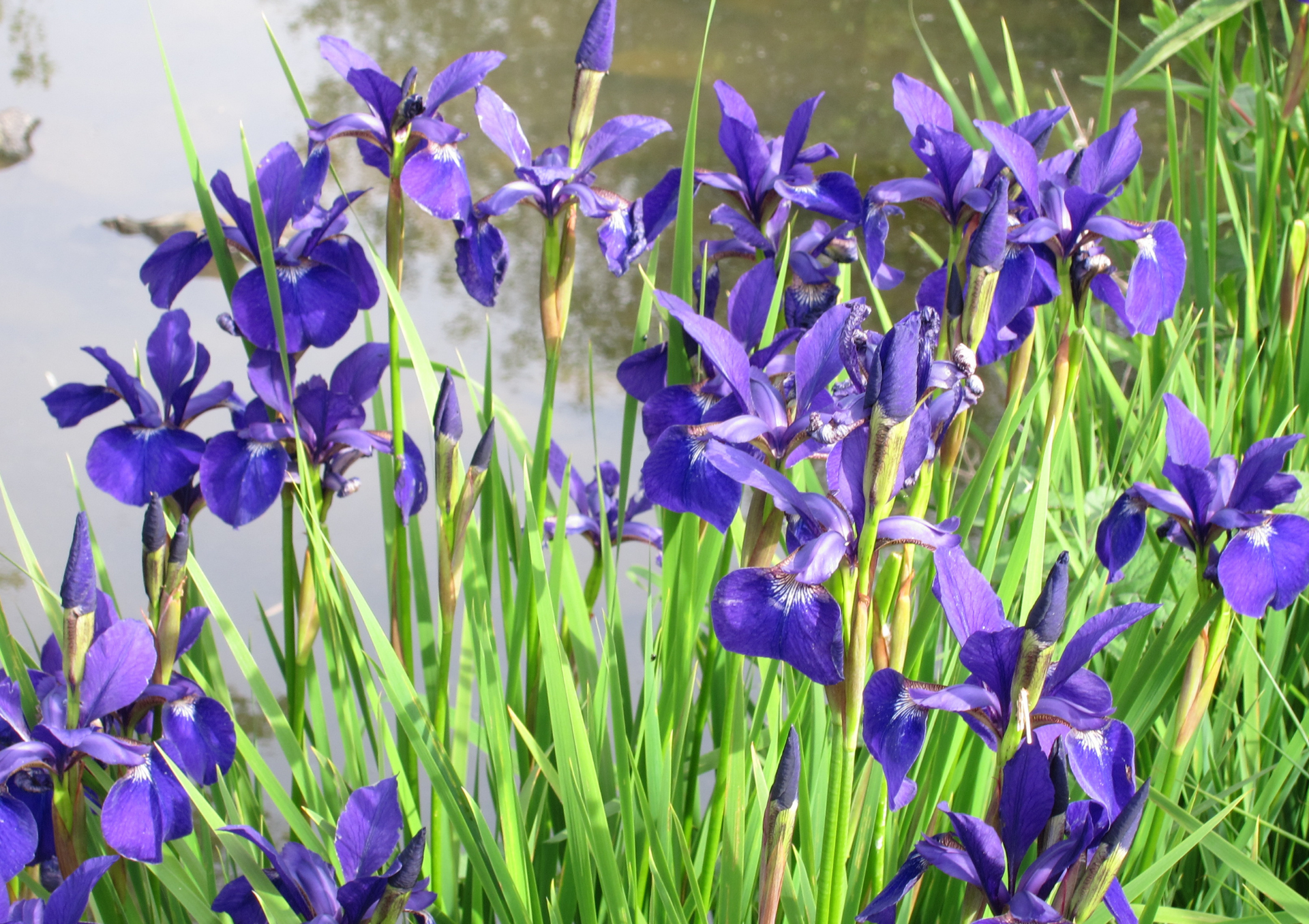
- Purple loosestrife and phragmites choke shorelines and wetland areas, often requiring expert wetland invasive species control and specialized invasive wetland plant management for long-term suppression
- Cattails and water lilies can become nuisance vegetation when overgrown
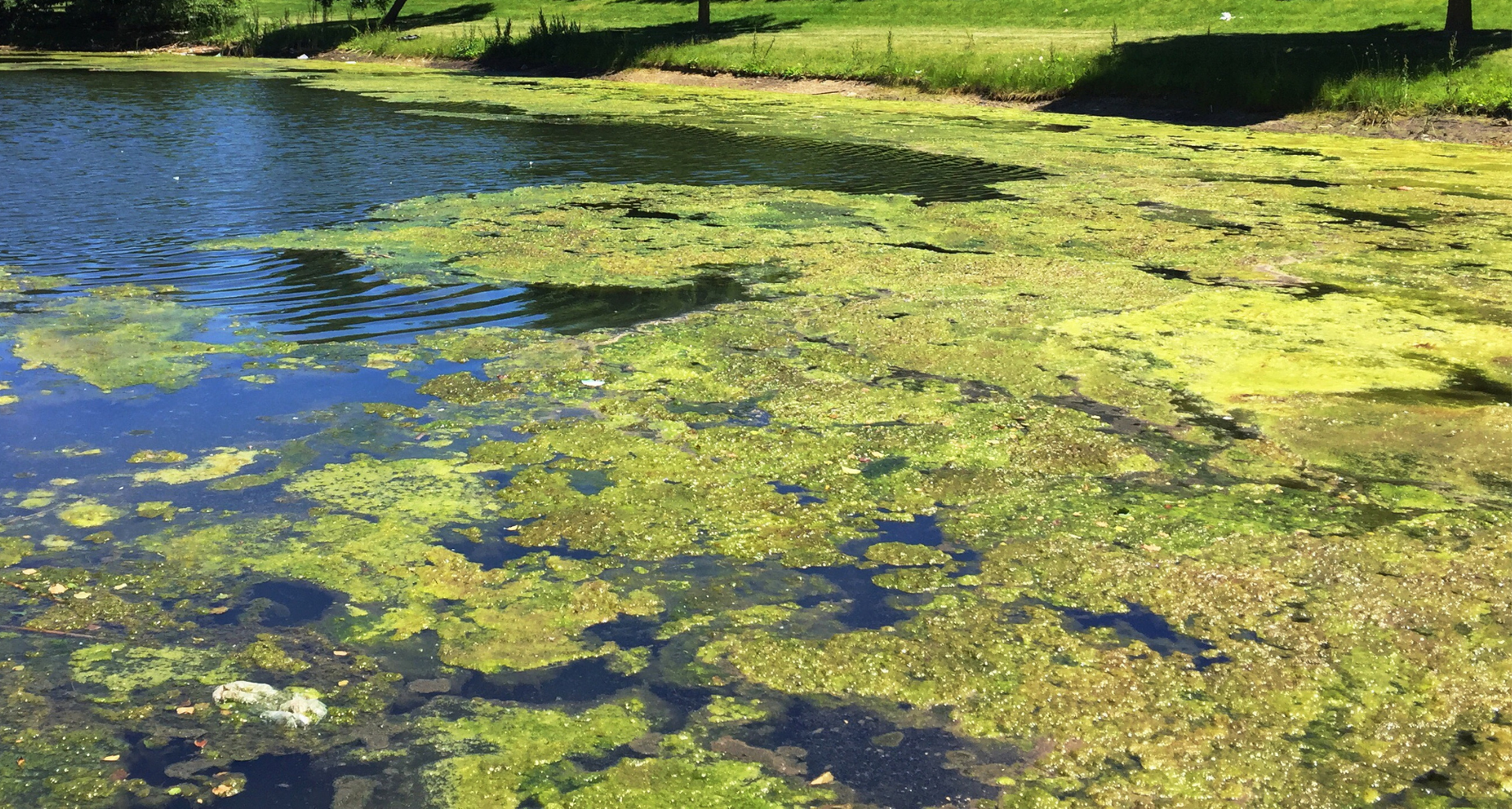
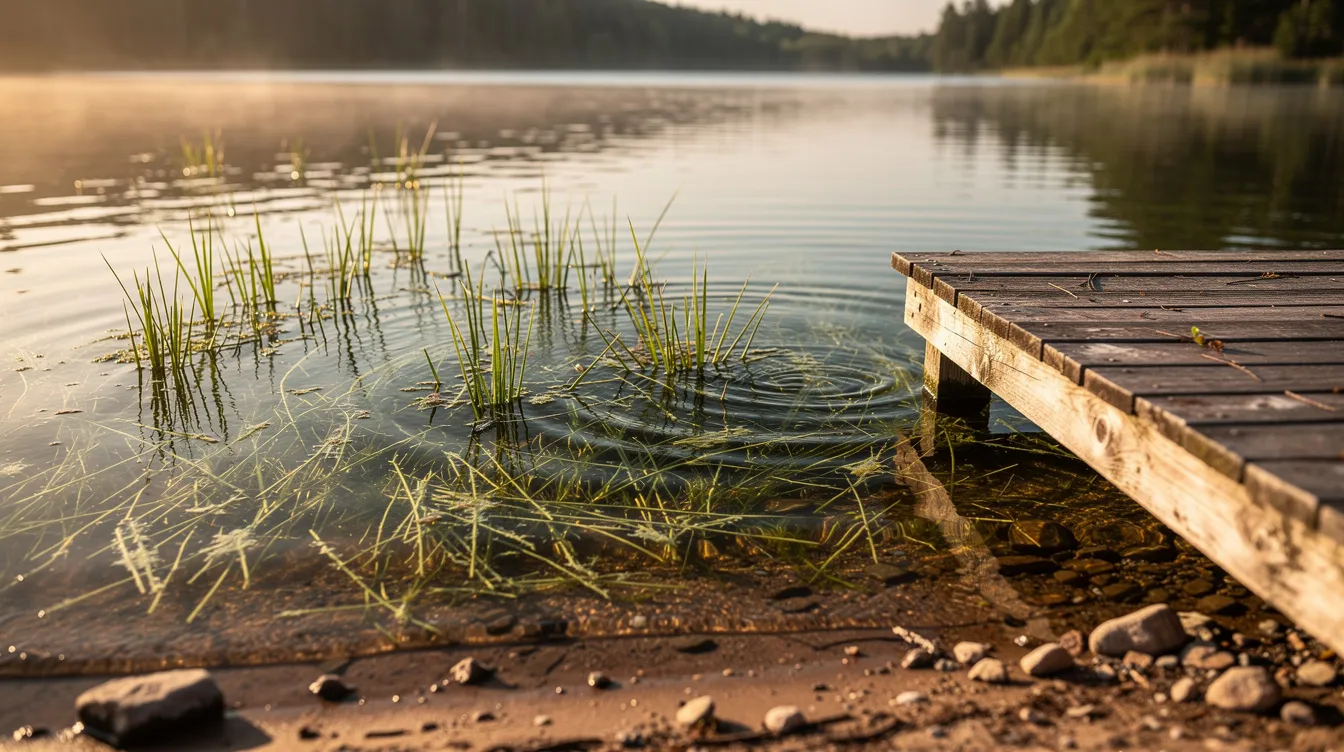
Filamentous Algae: Filamentous algae forms visible “mats” that float or adhere to substrate but aren’t true rooted plants. Controlling algae requires different tools than managing rooted aquatic weeds.
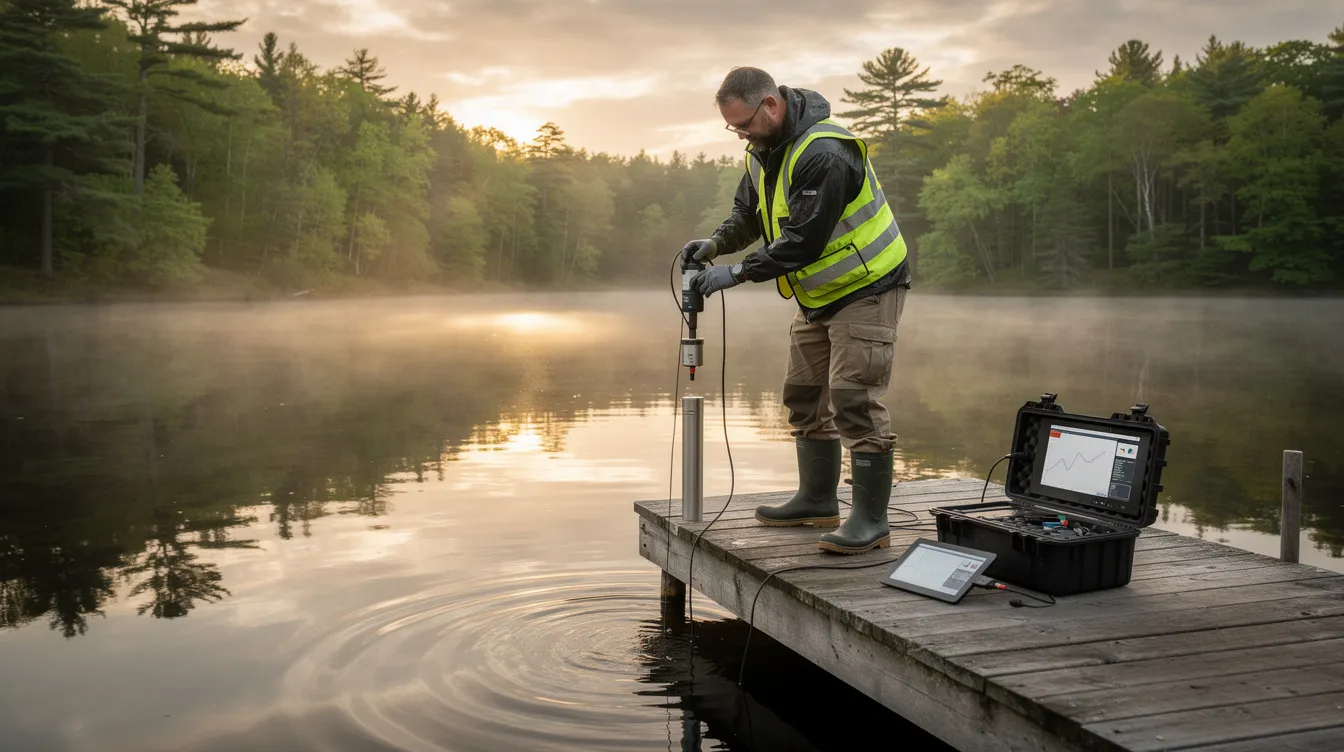
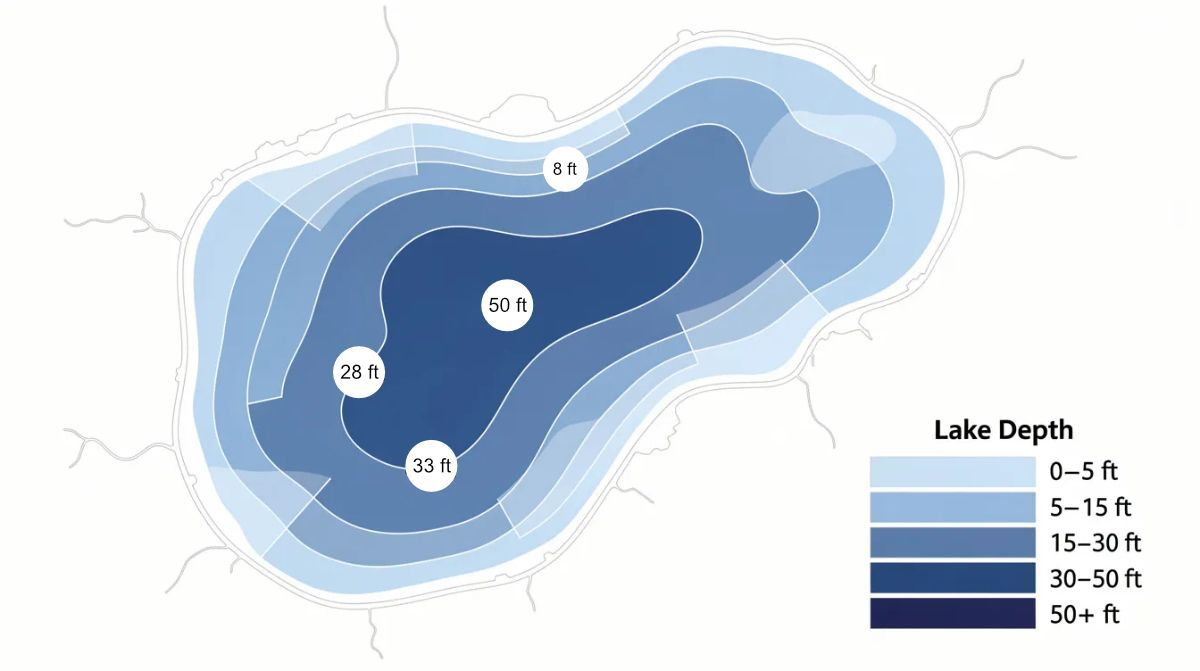
Ready Scout routinely conducts formal plant surveys, bathymetric mapping, and customized water quality monitoring to document exactly which species are present and how the lake is functioning before designing any control plan, drawing on ongoing lake and wetland management insights to refine recommended strategies.
How to Control Lake Weeds Without Chemicals
Many lake communities prefer to begin with non chemical methods, especially around docks and small coves where herbicide restrictions may apply.
Physical Removal: Hand-pulling is a labor-intensive but effective method for removing small infestations of aquatic lake weeds, often organized by community volunteers and supported by lake community self-sufficiency consulting. Manual removal techniques like hand-pulling are effective in small, shallow, or sensitive areas without using chemicals. The critical success factor is complete root removal to prevent rapid new growth.
Benthic Barriers: The Lake Bottom Blanket is a chemical-free barrier that prevents sunlight from reaching aquatic weeds. This method can be used to kill lake weeds in an environmentally friendly way. Benthic barriers are mats placed on the lake floor to prevent sunlight from reaching weeds, killing them and suppressing new growth. Typical deployment runs 3–6 weeks.
When Non-Chemical Methods Work Best:
- Sensitive wetlands and springs
- Locations where herbicide permitting is unlikely
- Small patches near docks and swimming areas
Mechanical Hydro-Raking and Harvesting
For lakes with thick muck and heavy plant biomass, mechanical methods offer powerful solutions.
Hydro-Raking: A hydro-rake is a powerful tool designed to remove lake weeds like water lilies and emergent vegetation, capable of excavating up to 250 pounds of plant matter per scoop.
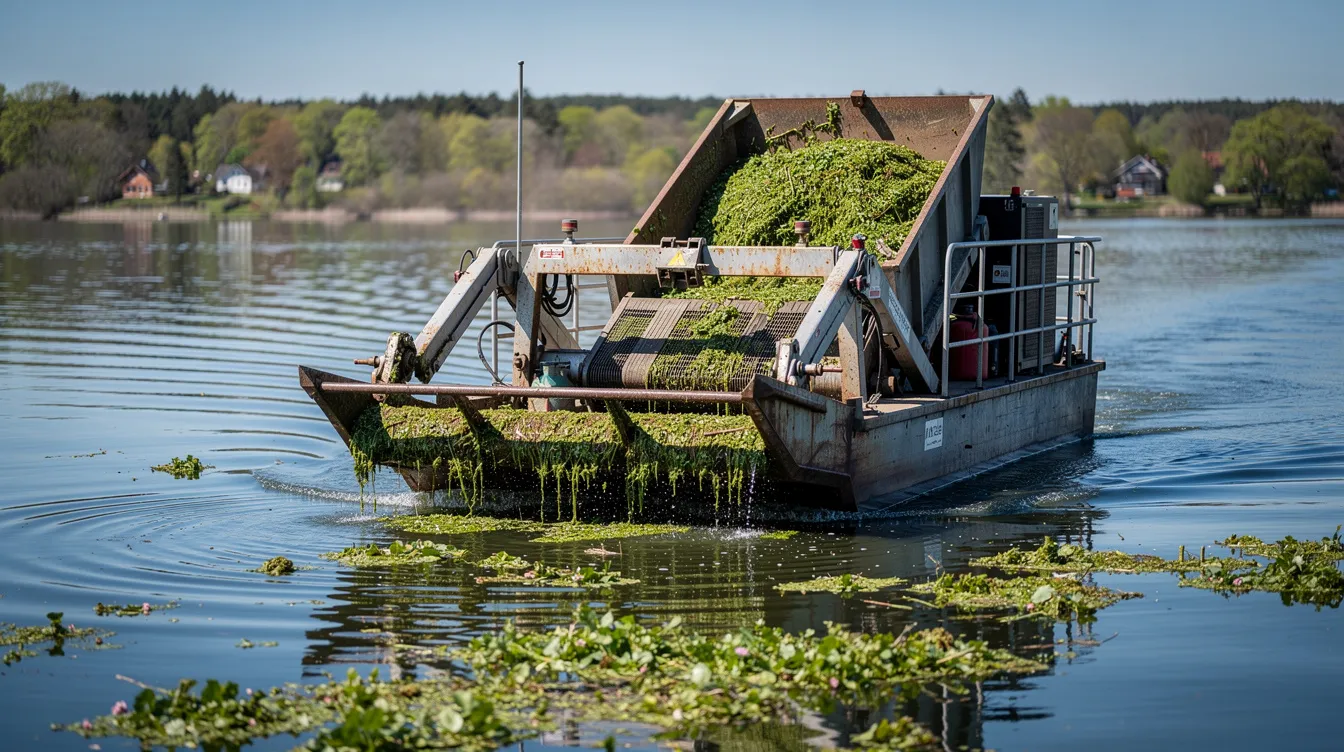
Mechanical Harvesting: Mechanical harvesting is a method used to manage large infestations of floating lake weeds like water chestnut and water hyacinth, which can rapidly overtake the water’s surface, especially when paired with expert plant and algae management services for long-term control. Cut plants are loaded onto barges and transported to shore for composting or disposal.
Critical Considerations:
- It is necessary to remove cut plant debris from the water to prevent oxygen depletion that can harm fish
- Proper disposal of cut weeds is essential to prevent nutrients from cycling back into the lake
- These methods require repeat passes as plants regrow from surviving roots
Ready Scout often pairs mechanical lake weed removal with follow-up monitoring and spot treatments to prevent regrowth from fragments as part of sustainable, integrated lake management practices.
Biological Weed Control: Grass Carp and Beyond
Biological control uses living organisms to reduce nuisance plant biomass over time.
Sterile triploid grass carp are used as biological controls to consume submerged weeds, providing a long-term solution within an integrated professional lake consulting program, although their effectiveness varies with water temperature and plant type. Using triploid grass carp can help reduce excessive weed growth.
Regulatory Requirements: New York and nearby states tightly regulate grass carp stocking, requiring:
- Site-specific permits
- Fencing or outlet screens to prevent escape
- Stocking rate calculations based on acreage and plant density
Grass carp can consume desirable native plants and are generally not appropriate for shallow, marshy wetlands or trophy bass ponds. Ready Scout helps evaluate whether biological control is appropriate and coordinates with state agencies for compliant stocking plans.
Using Aquatic Herbicides Safely and Legally
Aquatic herbicides are among the most effective tools for quickly controlling lake and pond weed growth, specifically designed to target nuisance and invasive weeds without negatively impacting non-target species, and Ready Scout maintains transparent product label information for all aquatic treatments used.
Product Selection Factors:
- Weed species and coverage area
- Water depth and flow characteristics
- Downstream uses (irrigation, public water supply)
Aquatic herbicides are strictly regulated, must be EPA-registered for use in water bodies, and are reviewed for environmental and non-target safety. Many states also restrict certain chemicals and require notification or coordination with local authorities before application. When applied by licensed professionals in compliance with local regulations, EPA-registered products are well-studied and safe for humans, animals, and the environment.
Contact vs. Systemic Herbicides:
| Type | Action | Results |
|---|---|---|
| Contact | Burns exposed tissue quickly | Rapid but temporary relief |
| Systemic | Moves within plant to kill roots | Longer-term control |
Standard Safeguards:
- Treat limited acreage at a time to avoid low-oxygen fish stress
- Approved aquatic herbicides should be used only in targeted applications to prevent oxygen depletion detrimental to aquatic life
- Post swimming or irrigation restrictions
- Coordinate with lake associations before application
Ready Scout’s Preferred Aquatic Herbicide and Treatment Toolkit
Ready Scout’s treatment plans combine plant surveys, water chemistry analysis, and carefully chosen lake weed control products from its vetted label list, with product selection based on weed type, site conditions, and the active ingredient, and are supported by expert plant and algae management services.
EPA-registered aquatic herbicides are well-studied and specifically designed to target nuisance and invasive weeds without negatively impacting non-target species. Properly applied herbicides do not harm the environment and can effectively control invasive aquatic weeds, which helps maintain water quality and ecosystem balance.
Treatment Approach:
- Customized dosage based on bathymetric data
- Application when water temperatures exceed 60°F
- Targeting optimal growth stages for maximum control
- Liquid formulations for precise spot treatments or broadcast spray coverage
Herbicides such as Renovate OTF and AquaMaster are commonly used for broad-spectrum control of submersed, emersed, and floating aquatic plants in different aquatic environments.
Ready Scout never substitutes unlisted products and always provides clients with product labels, safety data sheets, and post-treatment reports, and can pair treatments with professional aeration system design and installation to support long-term water quality.
Long-Term Weed Control: Water Quality and Nutrient Management
Sustainable weed control depends on reducing phosphorus and nitrogen inputs that drive excessive plant and algae growth.
Common Nutrient Sources:
- Failing septic systems, as revealed through customized water quality monitoring and lake mapping
- Fertilized lawns
- Agricultural runoff
- Leaf litter and debris washing into coves
Reducing nutrient loading from sources like fertilizer runoff can decrease algae and aquatic weeds. Establishing shoreline buffers with native plants can prevent nutrient-rich runoff from entering the water body.
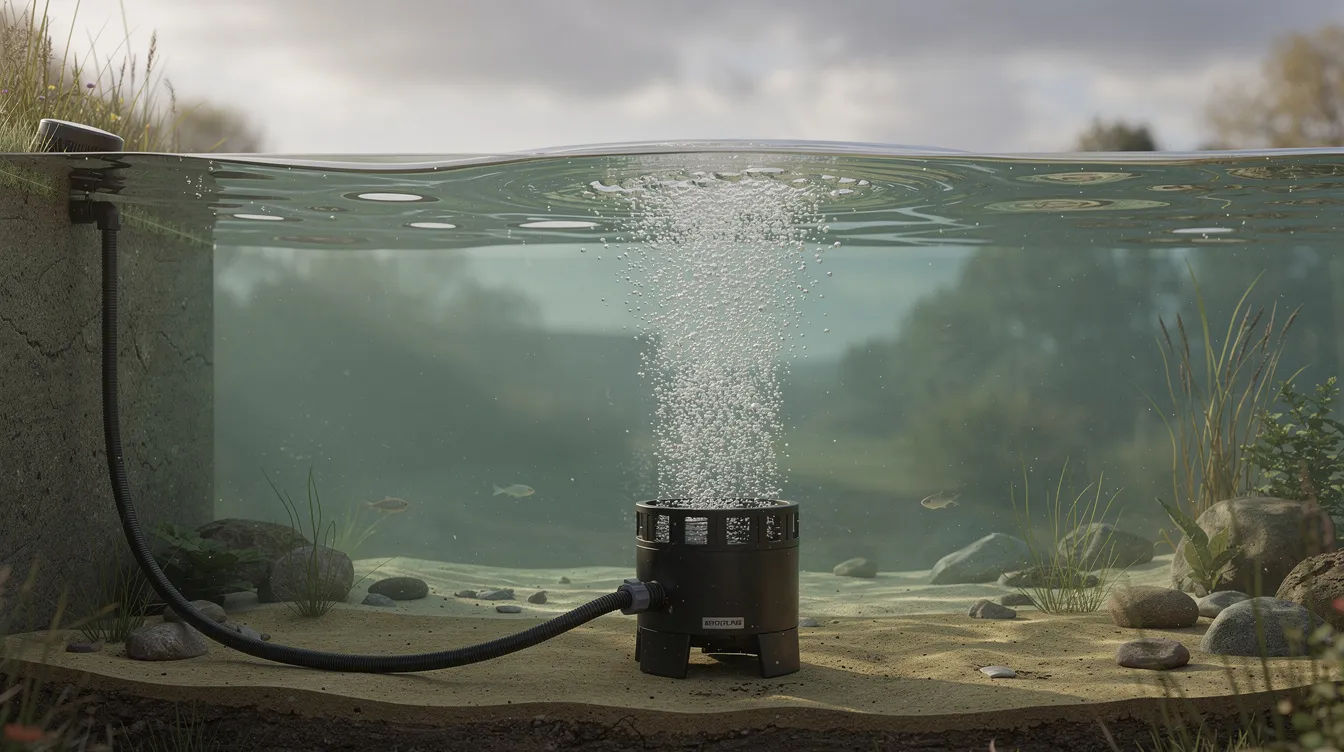
In-Lake Tools: Aeration systems improve water circulation and increase oxygen levels, which help reduce nutrients available for weeds, especially when designed and installed as submerged aeration systems tailored to the lake’s depth and layout. Water level control techniques, such as drawdown during winter, can freeze or dry out vegetation as a management strategy.
Encouraging native aquatic plants can help outcompete invasive weed species over time. Ready Scout uses water quality monitoring to diagnose root causes and design multi-season improvement plans.
Ready Scout Services for Lakes, Ponds, and Wetlands
Ready Scout, LLC provides professional lake consulting and management services as a regional partner for lake associations and pond owners across northern New Jersey, upstate New York, and southern Ontario, backed by decades of expert lake consulting and management experience.
Core Weed Control Services:
- Aquatic plant and algae management services
- Weed mapping and bathymetric surveys
- Integrated aquatic plant management plans
- Invasive plants assessment and control strategies
Regulatory Support: Ready Scout also advises on wetlands protection regulations and ecosystem impacts, helping clients navigate changing rules while planning projects, and provides specialized permitting and regulatory compliance support for aquatic pesticide and wetland approvals.
- Permit application preparation
- Coordination with NJDEP, NYSDEC, and Ontario authorities
- Attendance at community or board meetings
Implementation Services:
- Licensed herbicide application by professionals
- Coordination of mechanical hydro-raking contractors
- Aeration system design and installation
- Treatment of sediment and muck accumulation
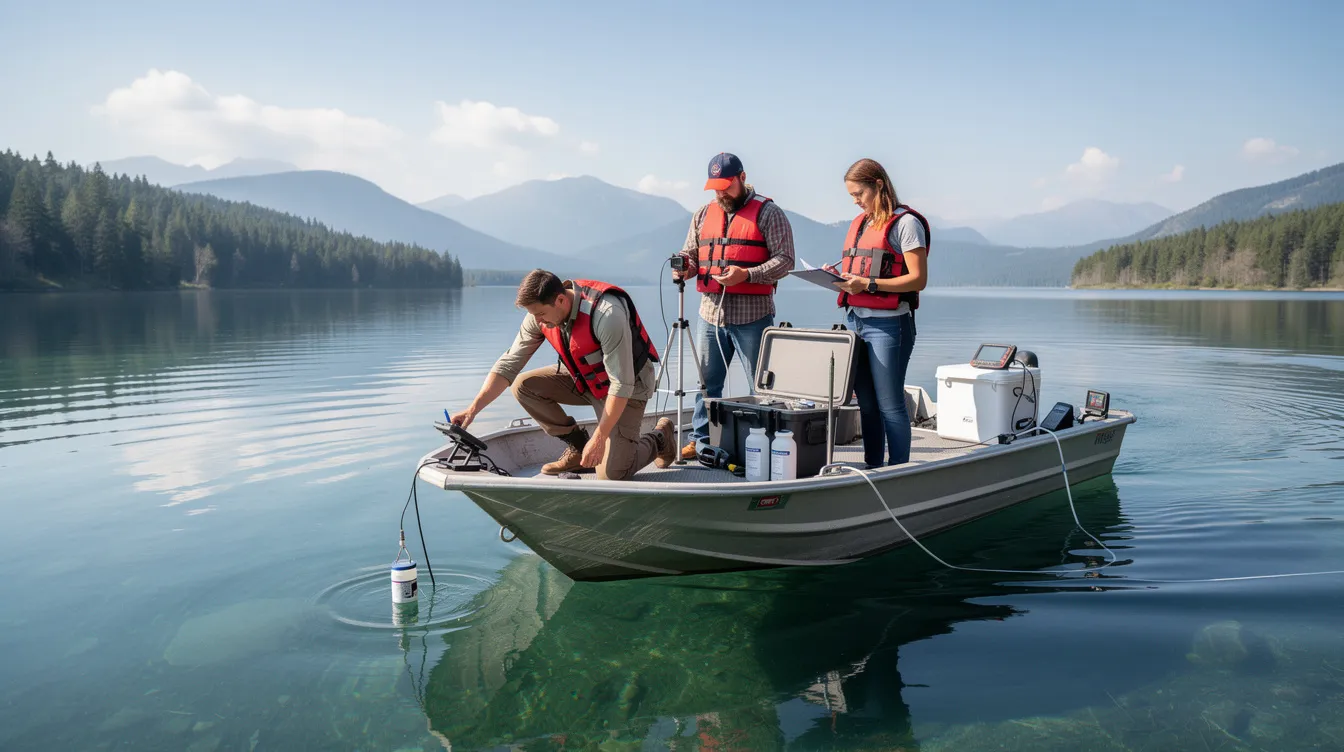
Ready Scout’s “lake community self-sufficiency” consulting helps associations establish citizen monitoring programs, organize volunteer weed pulls, and develop annual budgets for long-term lake health, building on broader lake community self-sufficiency assessments.
How Ready Scout Can Help Your Lake Today
Lake boards, HOAs, and private pond owners should reach out as soon as they notice early-season weed growth or murky water.
Typical Process:
- Site visit or virtual review of maps, photos, and lab data
- Written findings summary with management options
- Quick wins (clearing swim areas before peak season)
- Multi-year plan addressing sediment, nutrients, and spread prevention
Example Scenario: A 20-acre HOA lake combined hydro-raking of coves, targeted herbicide treatment of Eurasian watermilfoil, and shoreline buffer plantings—resulting in clear swimming areas and reduced annual weed management costs.
Ready Scout emphasizes transparent pricing, clear timelines, and ongoing communication with lake committees before, during, and after any treatment season, reflecting its broader information about Ready Scout’s mission and services, including company background and service philosophy and leadership by an experienced Certified Lake Manager.
How to Contact Ready Scout, LLC
Schedule a consultation for your lake, pond, or wetland today.
- Phone: Contact 908-310-8775 about your aquatic weed problem
- Email: gps@ready-scout.com for lake and pond service inquiries
- Website: Visit ready-scout.com to view all our services.
Office hours and response times: Replies typically within one business day during the April–October field season.
Frequently Asked Questions About Lake Weed Control
How early in the season should we start managing lake weeds?
In the Northeast, planning should begin in late winter or early spring (February–April) to allow time for permitting. Field work often starts when water temperatures reach roughly 55–60°F. Early detection and treatment at low biomass usually require less product, reduce oxygen-stress risks to fish, and help maintain clear conditions into peak summer. Ready Scout can review historic photos and plant records to design a proactive rather than reactive schedule.
Are aquatic herbicides safe for swimmers, pets, and fish?
EPA-registered aquatic herbicides used according to label instructions are evaluated for safety to humans, pets, and aquatic life. Ready Scout only uses products listed on its Product Label Info page and always communicates any swimming, fishing, or irrigation restrictions before treatment. Lake users should follow posted signs and wait out brief restriction windows, typically measured in hours to a few days depending on the product.
Will weed control also get rid of algae and lake “muck”?
Plant control, algae control, and muck reduction are related but distinct goals requiring different tools and timeframes. Some products specifically target filamentous or planktonic algae, while mechanical methods and aeration help accelerate decomposition of organic sediments. Long-term muck reduction usually involves years of improved watershed management, selective dredging, and healthy plant communities rather than bare bottoms.
Can our lake association handle treatments ourselves instead of hiring a contractor?
In many states, applying pesticides to control weeds beyond very small private ponds requires licensed applicators and permits. Misapplication can trigger enforcement actions or poor results. Ready Scout helps associations understand what tasks volunteers can safely do—monitoring, hand-pulling, education—versus what requires a professional license. Self-sufficiency consulting can train boards to interpret lab reports, track trends, and coordinate with vendors.
How long will weed control results last in our lake?
Results vary significantly. Contact herbicide treatments and weed cutting may provide 4–12 weeks of relief, while systemic treatments and nutrient controls can change plant communities over multiple seasons. Invasive species with long-lived seeds often require consistent yearly management to prevent re-infestation. Ready Scout typically recommends a 3–5 year planning horizon so communities can budget and track ecological improvements over time.
What’s the difference between killing weeds and preventing them from returning?
Killing lake weeds addresses immediate problems, but prevention requires addressing root causes. This means reducing nutrient inputs from land, maintaining healthy shoreline buffers, and ensuring proper food web balance. A comprehensive approach treats current infestations while simultaneously improving water quality conditions that fuel future growth.