Water Pollutants: Types, Sources, and Impacts on Lakes, Ponds, and Public Health
Key Takeaways
- Most water pollutants are human-caused, originating from human activities like agriculture, industry, and residential development. Both surface waters and storm water carry contaminants into lakes and ponds, where they accumulate over time.
- Chemical, biological, and physical pollutants-including heavy metals, oil spills, industrial wastewater, and solid waste-threaten clean water, aquatic ecosystems, and public health across the U.S. and Canada.
- Nonpoint sources such as agricultural runoff, failing septic tanks, and air pollution deposition are now the leading causes of water pollution in many watersheds, surpassing traditional point-source discharges.
- Ready Scout, LLC helps lake communities in northern New Jersey, upstate New York, Vermont, and southern Ontario diagnose and manage water pollutants through monitoring, algae control, aeration, and regulatory compliance services.
- Later sections and FAQs cover practical steps lake associations and pond owners can take to reduce pollution and protect both groundwater and surface water quality.
Introduction: What Are Water Pollutants?
Water pollutants are chemical, biological, or physical substances-or forms of energy like heat-that degrade water quality and limit uses such as drinking, recreation, irrigation, and habitat for fish and wildlife. They contaminate water sources like rivers and lakes, often persisting for years or decades. The distinction between pollution in surface waters (lakes, ponds, rivers) and groundwater pollution in aquifers matters: lakes and ponds act as watershed-wide "sinks," collecting inputs from every upstream source, while groundwater contamination moves slowly and is far harder to remediate.
History offers stark warnings. The Minamata mercury disaster in Japan during the 1950s showed how industrial discharge of heavy metals can bioaccumulate through food chains and cause severe neurological damage. Arsenic in Bangladeshi wells, identified in the 1990s, exposed millions to chronic poisoning. These cases demonstrate that water pollution is not abstract-it directly threatens human health on enormous scales. Globally, over 80% of wastewater is released untreated into the environment, intensifying these risks.
As a regional lake and pond management firm, Ready Scout sees the local impacts of these global pollutant types across New Jersey, New York, Vermont, and Ontario every season. The rest of this article categorizes water pollutants, describes their sources, and outlines management strategies for lake communities and private pond owners.
Major Categories of Water Pollutants
Water pollutants are grouped into three overlapping categories-chemical, biological, and physical-each with distinct and shared effects on aquatic ecosystems and public health. Both point sources (single, identifiable discharges like pipes) and nonpoint sources (diffuse runoff, atmospheric deposition) contribute to each category. Ready Scout's water quality monitoring programs are built around these categories, using targeted sampling and field instruments to detect each pollutant type in managed lakes and ponds.
Chemical Pollutants
Chemical pollution encompasses substances that alter water chemistry even at low concentrations. Chemical contaminants include pesticides, metals, and industrial toxins-and even parts-per-billion levels of some compounds can significantly degrade a water body's health. Additionally, personal care products and pharmaceutical residues enter waterways through wastewater; pharmaceuticals can disrupt hormones in aquatic life, and pharmaceutical residues threaten environmental health in over 25% of rivers globally.
Typical sources in lake watersheds include:
- Agricultural fertilizers delivering nitrate and phosphate
- Road salt raising chloride levels in suburban lakes
- Industrial wastewater carrying metals and solvents
- Septic leachate introducing nutrients and organic chemicals
- Atmospheric fallout from air pollutants (mercury, nitrogen oxides)
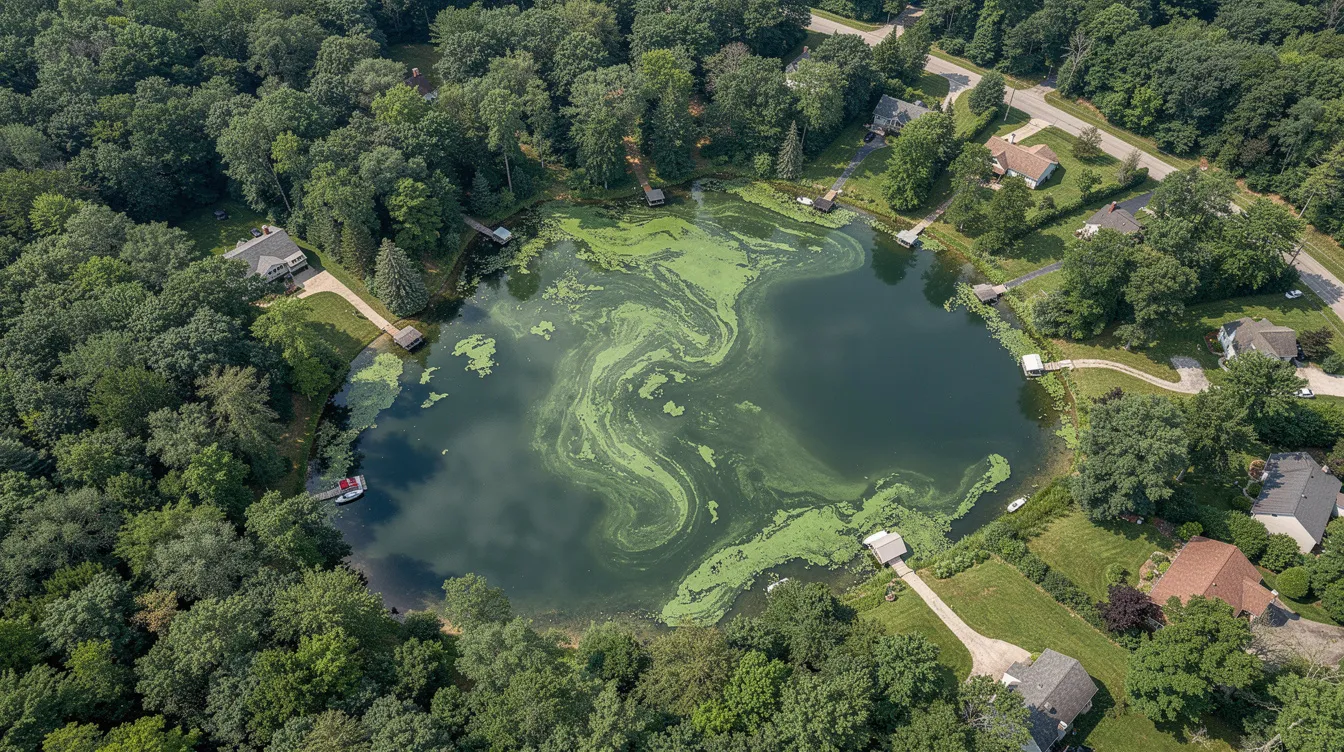
Nutrients like nitrogen and phosphorus from fertilizers cause harmful algal blooms that deplete oxygen. This nutrient pollution drives eutrophication-one of the most common problems Ready Scout manages in northeastern lakes during warm months from mid-June through September. Industrial production discharges toxic substances and pollutants into waterways, and industrial runoff can cause biomagnification of toxic chemicals up the food chain. Legacy persistent organic pollutants like PCBs remain locked in sediments of places like Onondaga Lake in Syracuse, NY, where fish consumption advisories persist decades after cleanup began.
Biological Pollutants
Biological pollutants include microorganisms (bacteria, viruses, protozoa), parasites, and invasive species entering water through sewage, wildlife, livestock, and accidental introductions. Pathogens include bacteria and viruses from sewage or animal waste, and sewage can contain pathogens causing diseases like cholera and dysentery. Even sewage treatment facilities can allow pathogens to enter water sources when systems are overwhelmed during sewage overflows.
In the Northeast, failing septic systems common around older lake communities are a major source of microbial contaminants. Storm water carrying pet and animal waste washes bacteria into nearshore zones. For context, the River Ganges has faecal bacteria levels up to 31 million per 100 millilitres-an extreme example, but even modest bacterial loads in local lakes can trigger swim advisories. Pathogens in contaminated water can cause severe gastrointestinal diseases. Deforestation generates organic waste that breeds harmful bacteria in downstream waters, and sewage contributes many nutrients leading to eutrophication.
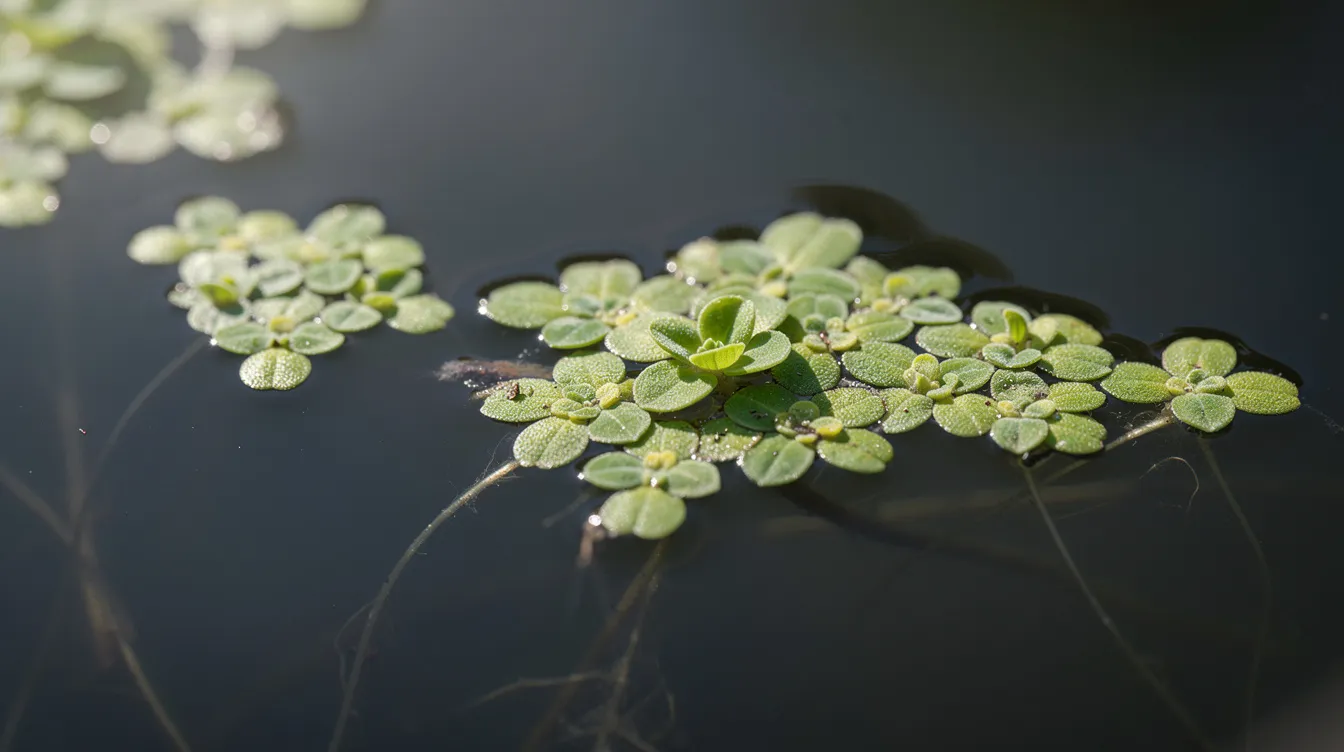
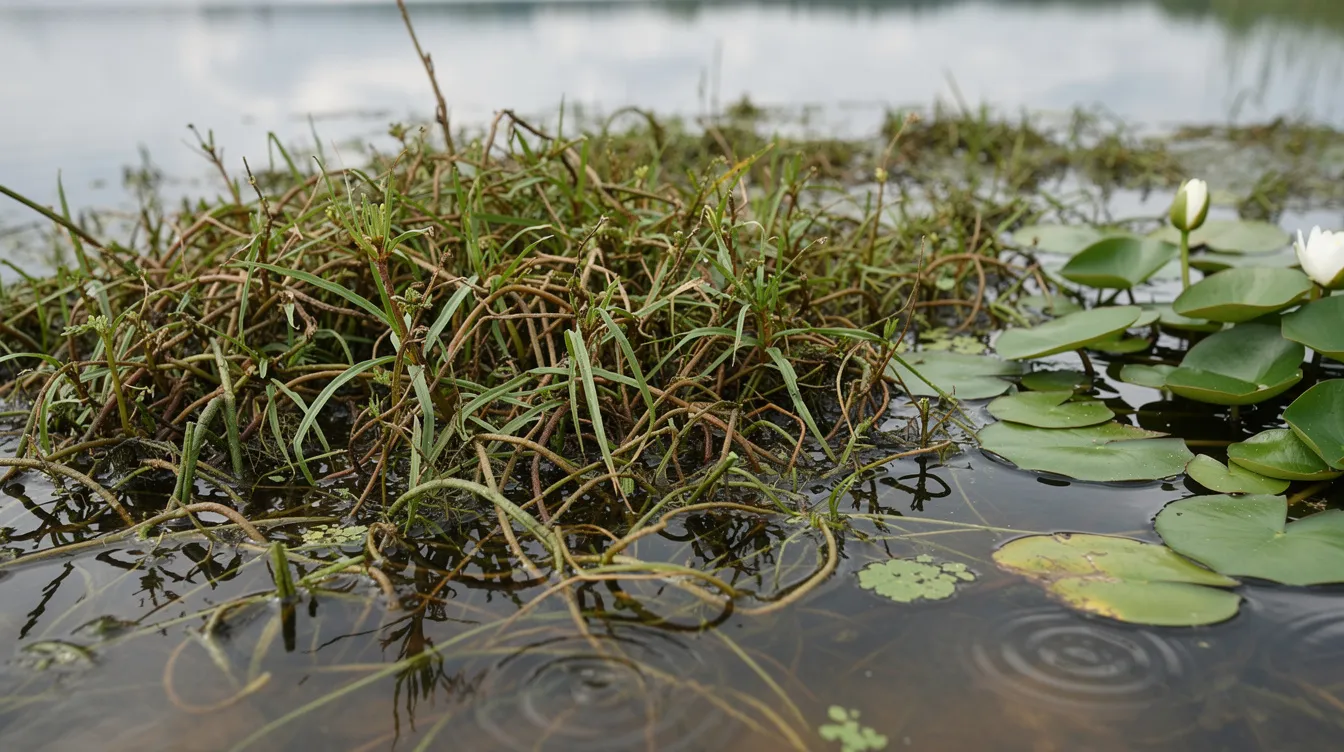
Invasive aquatic plants like Eurasian watermilfoil and invasive mussels (zebra and quagga) are widespread biological pollutants in the northeastern U.S. and Ontario, altering food webs, changing water clarity, and displacing native species. Ready Scout's invasive species control and plant management programs, combined with routine bacteriological sampling, reduce these biological risks in managed lakes and ponds.
Physical and Thermal Pollutants
Not all water pollutants are chemicals. Sediment, solid waste, plastics, and excess heat also degrade the aquatic environment. Sediment can block sunlight and damage aquatic habitats, smothering fish spawning grounds when erosion from poorly stabilized construction sites, deforested slopes, or unpaved roads feeds into tributaries. Runoff and sedimentation can destroy aquatic habitats entirely when loads are heavy.
Plastic pollution is increasingly documented in inland waters. Microplastics account for 35% of all ocean plastic pollution, and the same particles accumulate in lakes-a recent study estimated over 4,000 metric tons of microplastic mass in North American lakes alone. Microplastics can contaminate the food chain as plankton and fish ingest them.
Thermal pollution reduces oxygen levels in aquatic environments. Heated storm water from asphalt parking lots and dark roofs raises surface temperatures in smaller reservoirs and ponds. Warmer water holds less dissolved oxygen, stressing coldwater species like trout. Since 1980, deep-water oxygen in temperate lakes has dropped roughly 18.6%. Ready Scout often recommends and designs aeration systems and vegetated buffer zones to mitigate low-oxygen conditions and reduce sediment and solid waste inputs.
Point Sources vs. Nonpoint Sources of Water Pollution
The legal and practical distinction between point sources and nonpoint sources shapes how pollution is regulated under the clean water act in the U.S. and comparable Canadian frameworks. Point sources are traceable-pipes, outfalls, channels. Nonpoint source pollution is diffuse-carried by rain, snowmelt, and urban runoff across broad landscapes. In many rural and suburban watersheds across New Jersey, New York, Vermont, and Ontario, nonpoint sources now account for the majority of nutrient and sediment loads entering lakes.
Lake associations must address both: working with regulators on obvious discharges and implementing watershed-wide best practices to cut diffuse runoff from multiple sources.
Point Source Pollution
Point sources include municipal wastewater treatment plant outfalls, industrial pipes, and concentrated animal feeding operation (CAFO) discharge channels. Typical pollutants include nutrients and pathogens from untreated sewage, heavy metals and organic chemicals from industrial wastewater, and ammonia from livestock facilities.
In the U.S., National Pollutant Discharge Elimination System (NPDES) permits regulate these discharges; Ontario has comparable provincial permitting. Ready Scout often helps lake communities interpret discharge data, review permits, and advocate for protective limits where permitted discharges may affect local lakes or wetlands. Stricter regulations can reduce industrial and agricultural discharges when communities actively engage in the permitting process.
Nonpoint Source Pollution
Nonpoint sources are carried by rain, snowmelt, and storm water across large areas, making them difficult to trace to a single origin. Key contributors include:
- Agricultural fertilizer and manure from agricultural areas
- Residential lawn chemicals and pesticides
- Road salt, vehicle oil, and urban runoff
- Construction site erosion and forestry operations
- Wind-blown solid waste and debris
Agricultural runoff is a major source of nutrient pollution, and agriculture is the leading cause of water contamination in many U.S. watersheds. Urbanization increases polluted runoff into waterways as impervious surfaces expand. Nonpoint source pollution is the primary cause of water quality impairment in many U.S. lakes listed in state 303(d) assessments, including impaired waters across New York and New Jersey.
Ready Scout works with lake associations to map nonpoint pathways in their specific watershed and design practical mitigation measures-shoreline buffers, rain gardens, and improved culvert management.
Key Pollutant Types Affecting Lakes and Ponds
The broad categories above manifest as specific pollutant types that Ready Scout encounters regularly in managed lakes across the Northeast. While oceans face additional large-scale issues like ocean acidification from atmospheric CO₂, many of the same drivers-air pollution, storm water, and chemical pollution-affect inland lakes and reservoirs.
Nutrients, Eutrophication, and Harmful Algal Blooms
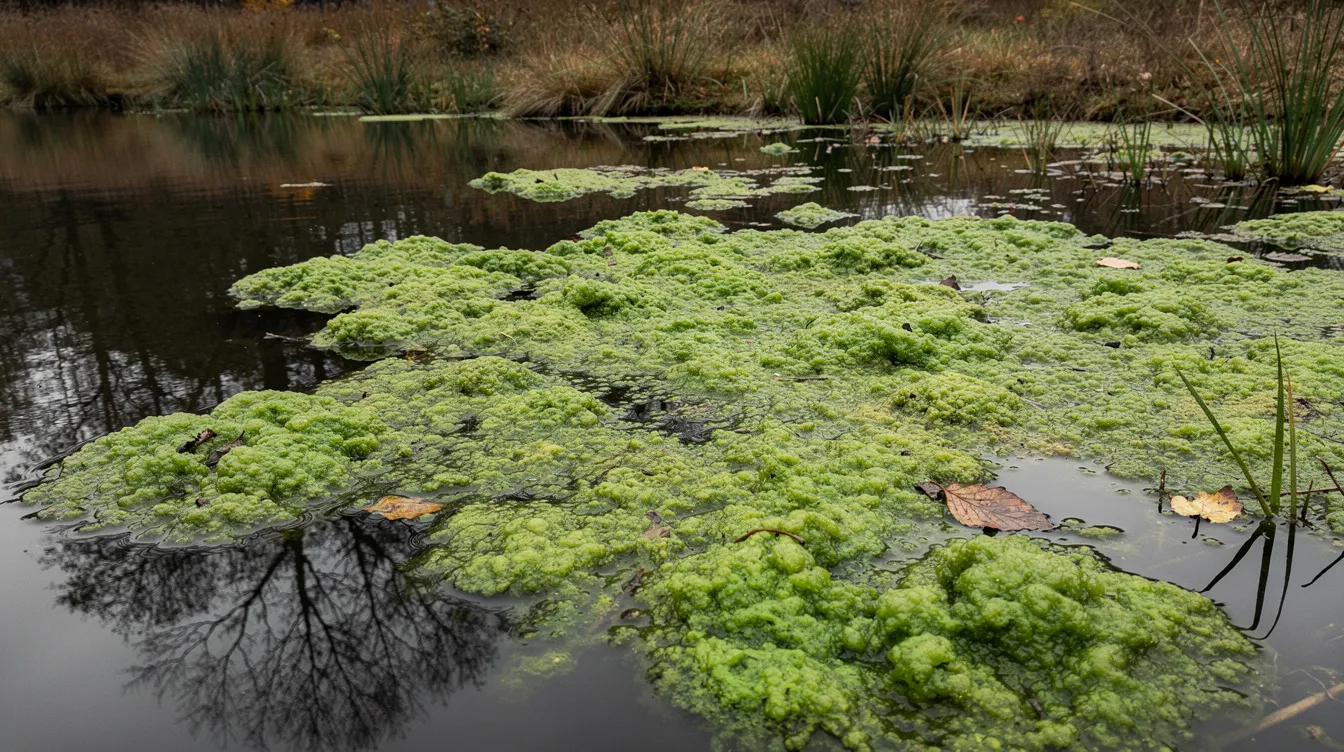
Excess nutrients-nitrogen and phosphorus from fertilizers, septic effluent, and detergents-stimulate excessive algae and aquatic plant growth. The result is eutrophication: increased algal biomass, reduced water clarity, elevated biological oxygen demand (BOD), and eventual hypoxia that can kill fish and collapse biodiversity. Eutrophication creates oxygen-deprived "dead zones" where aquatic life cannot survive, and reduced oxygen levels can kill aquatic wildlife ranging from invertebrates to game fish.
Eutrophication from nutrient pollution affects 50% of lakes in North America. The 2022 National Lakes Assessment found about 43% of U.S. lakes eutrophic and 30% hypereutrophic. Harmful algal blooms from cyanobacteria have caused beach closures on northeastern lakes most summers since the late 2010s.
Ready Scout's algae control services-including monitoring, nutrient reduction strategies, and targeted algaecide application-help lake communities manage eutrophication while staying compliant with state and provincial regulations.
Heavy Metals and Toxic Inorganics
Heavy metals like arsenic can bioaccumulate in food chains, concentrating in predator fish at levels far exceeding what exists in the surrounding water. Heavy metals can accumulate in aquatic ecosystems and pose health risks even at low concentrations, and heavy metals can cause severe health issues over time-including neurological damage and organ failure. Toxic chemicals can cause long-term health issues including cancer.
In the Northeast, mercury fish-consumption advisories are issued across New York and Vermont, including for Lake Champlain where lake trout and walleye exceed safe mercury and PCB levels. Chloride concentrations are rising in urban and suburban lakes from winter road salt applications-a growing concern for aquatic organisms sensitive to salt water chemistry shifts.
Heavy metals enter lakes and groundwater from abandoned mines, landfills, industrial wastewater, and improper disposal of electronics. Ready Scout coordinates laboratory testing for metals and inorganics as part of comprehensive water quality monitoring and lake mapping projects.
Oil Spills and Hydrocarbons in Inland Waters
While catastrophic tanker oil spills dominate headlines, smaller-scale hydrocarbon pollution is common on inland lakes and ponds. Leaking boat engines, fuel storage, and storm water washing oil and grease off roads all contribute. Oil spills cause long-term damage to marine ecosystems, and the same holds true in freshwater-oil spills contaminate marine ecosystems and are difficult to contain, whether at sea or on a 50-acre reservoir.
Surface films from petroleum hydrocarbons interfere with oxygen exchange, harming fish and invertebrates. Marinas and busy recreational lakes in regions like the Finger Lakes or northern New Jersey reservoirs can experience chronic low-level contamination. Ready Scout advises lake communities on spill-prevention measures, boater education, and shoreline response planning tailored to small-scale fuel and oil incidents.
Solid Waste, Plastics, and Debris
Litter, discarded fishing gear, and plastics enter lakes via storm drains, wind, and illegal dumping. Macroplastics visibly entangle wildlife, while microplastics-ingested by plankton and fish-have been detected widely in North American surface waters since the early 2010s. Microplastics account for 35% of ocean plastic pollution, and inland concentrations can be equally concerning.
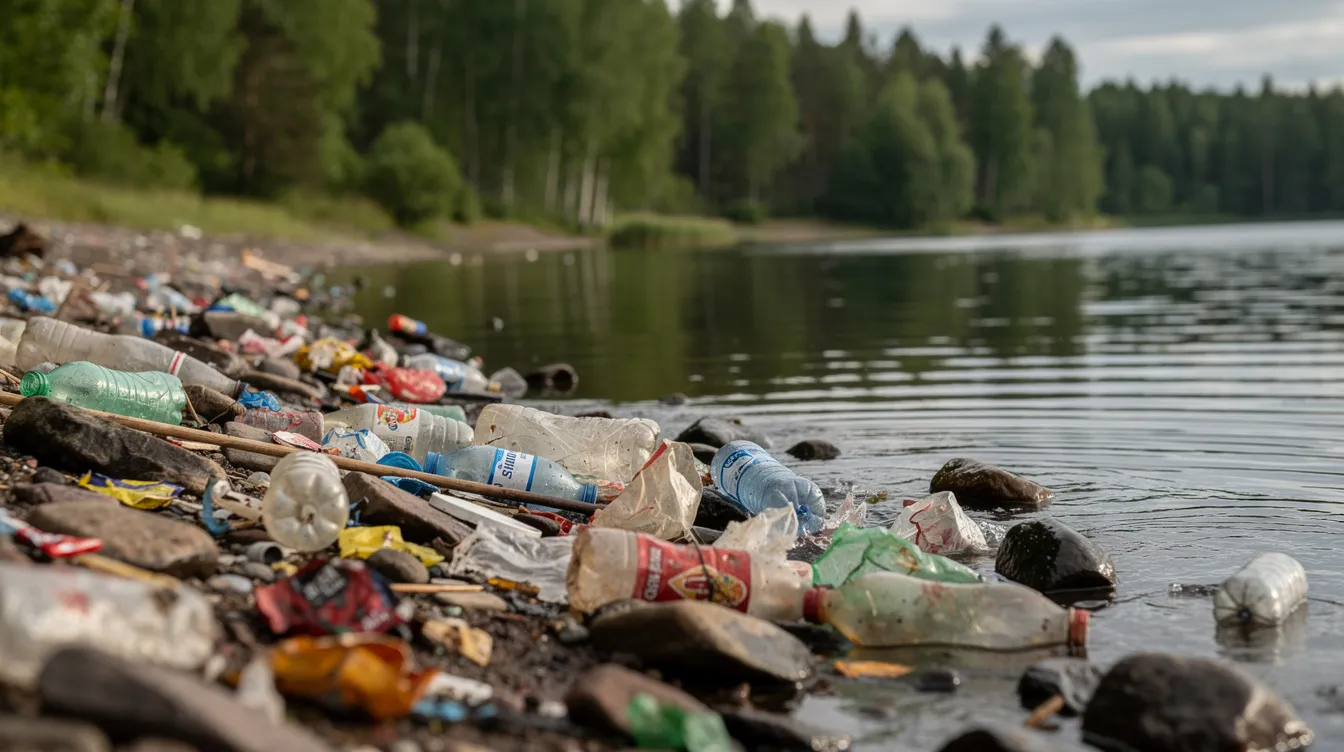
Shoreline trash accumulation after storms and floating debris clogging culverts and wetlands are localized but recurring issues. Ready Scout helps lake associations design community clean-up programs, signage, and solid-waste reduction strategies integrated into broader lake management plans.
Groundwater Pollution and Its Connection to Lakes
Groundwater pollution is contamination of subsurface aquifers by substances such as nitrate, petroleum, solvents, and natural arsenic. Recovery times are measured in decades-once water polluted at depth, remediation is slow and expensive. Common sources in the Northeast include failing septic tanks, leaking underground fuel tanks, agricultural fertilizers, and landfill leachate.
Groundwater discharge (baseflow) feeds many lakes and ponds year-round. This means contaminants in groundwater slowly but steadily enter surface water bodies, sustaining chronic pollutant loading even when surface inputs are controlled. Globally, two billion people consume drinking water contaminated with feces-a problem concentrated in developing countries but not absent from rural communities with aging infrastructure.
Ready Scout considers both surface and groundwater inputs when diagnosing recurring algal blooms or unexplained changes in water chemistry in managed lakes.
Air Pollution, Ocean Acidification, and Atmospheric Deposition
Not all pollutants enter water directly. Many are delivered by air pollution as dry particles or dissolved in rain and snow-part of the broader water cycle connecting atmosphere, land, and water. Sulfur and nitrogen oxides from power plants and vehicles historically caused acid rain in the northeastern U.S. and eastern Canada, with impacts documented in Adirondack and Green Mountain lakes since the 1970s. These air pollutants deposit nitrogen that contributes to eutrophication and mercury that accumulates in fish.
Increased atmospheric CO₂ drives global ocean acidification, and similar chemistry can slightly lower pH in smaller water bodies, affecting shell-forming aquatic organisms and nutrient availability. Regional air pollution controls have improved conditions in many lakes, but legacy effects and ongoing deposition still influence the water chemistry that Ready Scout monitors-pH, alkalinity, and sulfate trends over time.
Impacts of Water Pollutants on Ecosystems and Public Health
The pollutant types described above translate into concrete ecological and human health outcomes at the scale of a lake, pond, or wetland. Ecosystem health and public health are tightly linked: contamination in fish, algae blooms, and pathogen outbreaks all feed back to human exposure through recreation, water supply, and food.
Ecosystem Effects in Lakes, Ponds, and Wetlands
Pollutants disrupt entire aquatic ecosystems and affect all living organisms. Excess nutrients and sediment reduce water clarity, limit submerged plant growth, and shift communities from diverse native assemblages to a few tolerant species. Hypoxia in lake bottoms can kill fish and benthic invertebrates, release additional nutrients from organic matter in sediments, and create feedback loops that make recovery harder-oxygen levels below 3 mg/L are lethal to many species.
Invasive species compound these problems. Dense mats of invasive aquatic plants impede boating, swimming, and native wildlife habitat. Ready Scout's lake and wetland management services-plant and algae management, aeration system design, and invasive species control-aim to restore balanced, resilient aquatic ecosystems where living beings can thrive.

Public Health and Waterborne Disease Risks
Water pollution causes 500,000 deaths annually from diarrheal diseases worldwide, according to the World Health Organization and World Bank analyses. Over 500,000 deaths occur annually from diarrhoeal diseases linked to polluted water, and cholera and hepatitis A are common diseases from contaminated water in areas with poor water treatment infrastructure. Contaminated water can cause illnesses like gastroenteritis even in well-resourced communities when systems fail.
The environmental impacts extend to economics: water pollution can reduce GDP in affected regions by one-third, and 75% of humanity lives in areas affected by water scarcity-a crisis worsened when available water is polluted water. The United Nations has highlighted clean water access as a fundamental development goal.
Closer to home, chemical pollutants like pesticides, heavy metals, and nitrates in drinking water sources cause chronic problems-cancer risk, neurological damage, and infant methemoglobinemia. Acute illness from swimming in bacteria-laden lakes (E. coli, Giardia) remains a seasonal concern. The U.S. EPA and Health Canada set regulatory limits for many contaminants in the water supply, and local health departments issue advisories for recreational waters.
Ready Scout's monitoring and consulting services help lake communities identify elevated risk conditions early and coordinate with public health officials on appropriate responses.
Monitoring, Regulation, and Management of Water Pollutants
Controlling water pollutants requires scientific monitoring, regulatory frameworks, and on-the-ground management at both watershed and lake scales. Ready Scout operates within U.S. and Canadian regulatory systems, helping clients translate technical and legal requirements into practical strategies for preventing pollution in their specific water body.
Water Quality Monitoring and Assessment
Standard measurements include temperature, turbidity, dissolved oxygen profiles, pH, nutrients (total nitrogen, total phosphorus), chlorophyll-a, bacteria indicators, and sometimes metals and organic contaminants. Even at low concentrations, trends matter-rising phosphorus or declining oxygen over several seasons signal problems before they become crises. Substances at high concentrations demand immediate action.
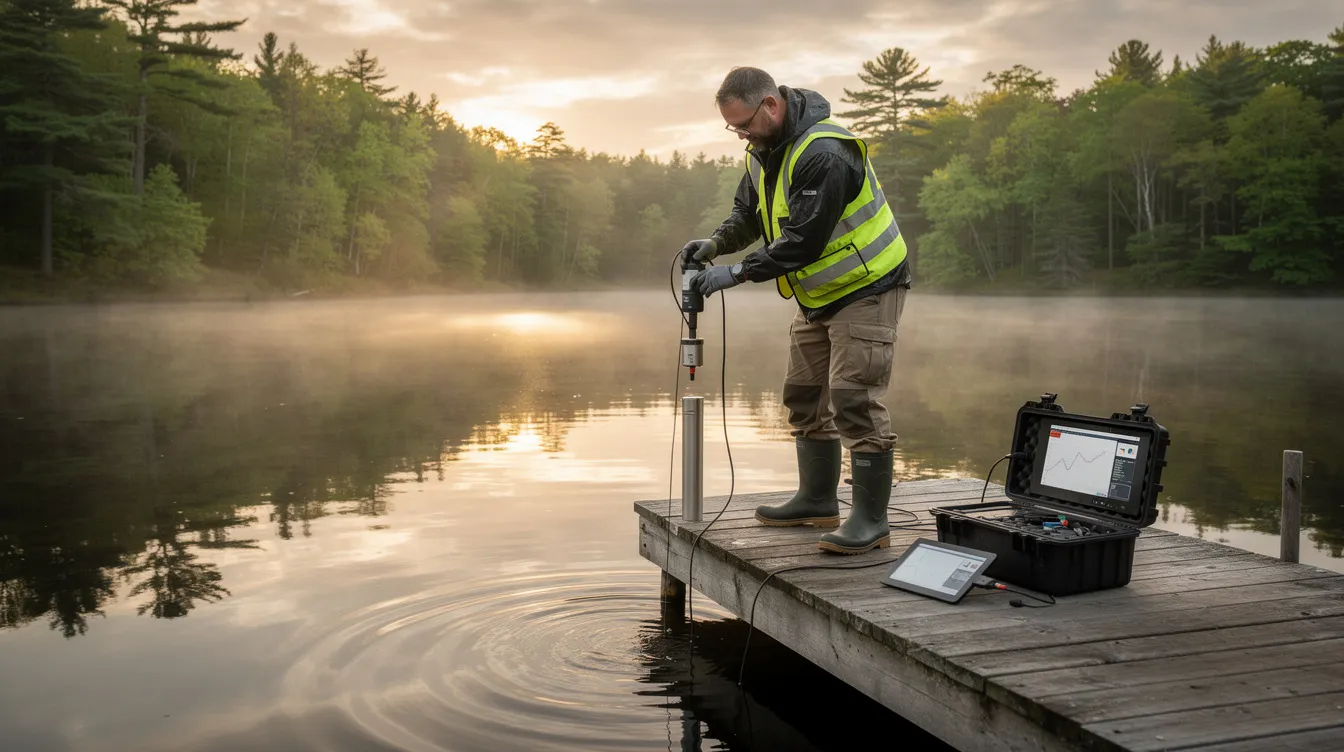
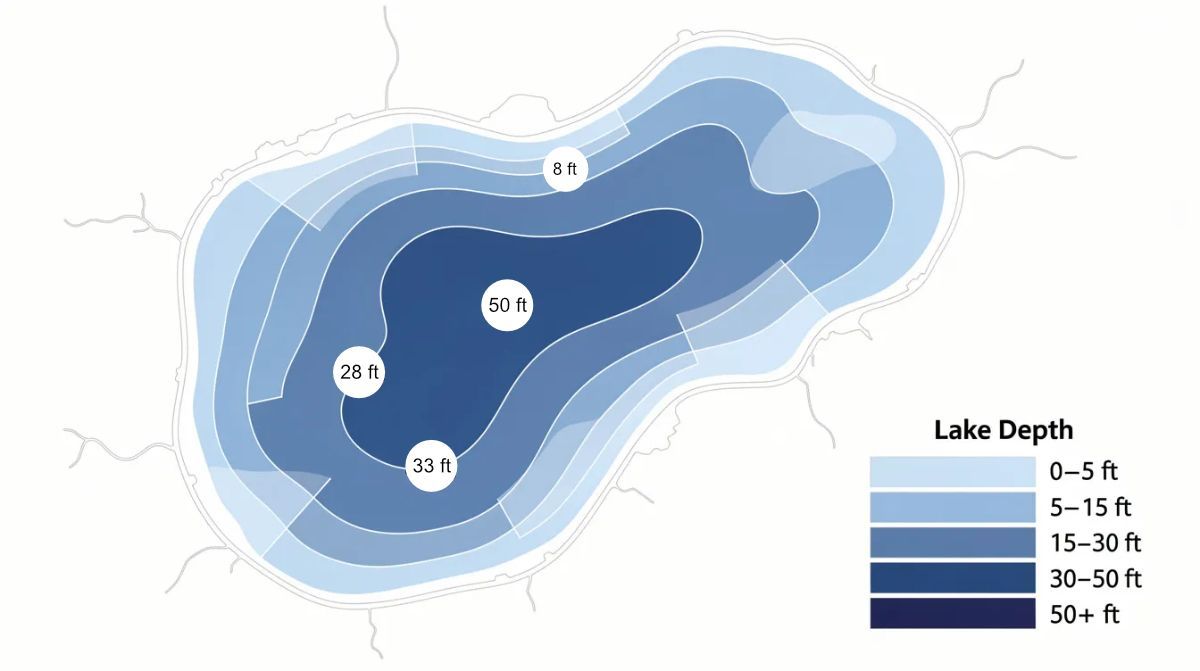
Regular seasonal sampling (spring, mid-summer, fall) allows managers to detect shifts. Ready Scout offers customized monitoring programs using GPS-based lake mapping and depth soundings to help clients understand pollutant distribution. When accessing online water quality databases-such as state 303(d) impairment lists-you may encounter a security service screen that blocks malicious bots. Once verification successful and the respond ray id confirms access, you can review impairment data for your watershed.
Associations and private owners in New Jersey, New York, Vermont, and Ontario should adopt annual or multi-year monitoring plans through Ready Scout's monitoring services rather than relying on one-time tests.
Regulatory Frameworks and Permitting
Key laws include the clean water act (regulating discharges and impaired water listings), the Safe Drinking Water Act, and state and provincial regulations governing storm water, aquatic pesticide use, and wastewater treatment. Many in-lake management actions-algaecide application, dredging, aeration installations, wetland alterations-require permits from state agencies or conservation authorities.
Investment in filtration technologies improves wastewater treatment outcomes, and treating wastewater can enable its reuse for irrigation, a concept gaining traction as communities explore promoting a circular water economy that minimizes virgin water use. Pesticides are the second largest cause of river contamination in Brazil-a reminder that agricultural activities require strong regulatory oversight everywhere, including in agricultural areas across the Northeast.
Ready Scout assists clients with permitting and regulatory compliance, ensuring projects proceed legally. Lake associations should engage with regulators early in project planning to avoid delays.
Best Practices for Lake Associations and Pond Owners
High-impact best practices to protect your environment include:
- Maintaining vegetated shoreline buffers to filter runoff
- Managing storm water onsite with rain gardens and permeable surfaces
- Reducing fertilizer and pesticide use on lawns and gardens
- Upgrading aging septic systems near lakeshores
- Educating residents about pet waste, lawn chemicals, and proper waste disposal
Lake management plans should set measurable goals for water quality, invasive species control, and habitat restoration. Ready Scout facilitates community workshops and self-sufficiency consulting, providing technical guidance and designing aeration or circulation systems to improve water quality. Localizing solutions to specific watersheds in northern New Jersey, upstate New York, Vermont, and southern Ontario ensures they match local geology, climate, and land-use patterns.
How Ready Scout Helps Manage Water Pollutants in the Northeast U.S. and Ontario
Ready Scout is a specialized environmental consulting and aquatic ecosystem management firm focused on lakes, ponds, and wetlands in northern New Jersey, upstate New York, Vermont, and southern Ontario. Our core service lines directly address the pollutant challenges discussed throughout this article:
| Service | Pollutant Challenge Addressed |
|---|---|
| Water quality monitoring & lake mapping | Nutrients, metals, bacteria, oxygen levels |
| Plant & algae management | HABs, eutrophication, invasive plants |
| Invasive species control | Biological pollutants, habitat disruption |
| Aeration system design & installation | Thermal pollution, hypoxia, internal loading |
| Permitting & regulatory compliance | Clean Water Act, state/provincial requirements |
| Community self-sufficiency consulting | Long-term pollutant reduction, education |
Ready Scout collaborates with lake associations, municipalities, and private landowners to prioritize pollutant sources, select appropriate management tools, and phase projects over multiple years. The goal is building local capacity so lake communities can understand and respond to pollution issues confidently-with Ready Scout as a technical partner, not a one-time contractor. Explore our full range of environmental consulting services to find the right fit for your lake or pond.
Frequently Asked Questions About Water Pollutants in Lakes and Ponds
This FAQ section addresses common questions tailored to lake associations and pond owners in Ready Scout's service areas across northern New Jersey, upstate New York, Vermont, and southern Ontario.
How can I tell if my lake or pond is being affected by water pollution?
Watch for recurring algae blooms, sudden fish kills (which can kill fish in large numbers), foul odors, reduced water clarity, or frequent advisories for bacteria. These are visible signs that contaminants may be degrading your water body. Start with baseline water quality testing-nutrients, bacteria, dissolved oxygen, pH, and conductivity-and compare results to state or provincial guidelines. Ready Scout can design an initial assessment for your lake or pond to confirm whether pollutants are driving observed problems.
What is the difference between nutrient pollution and toxic contamination?
Nutrient pollution is "too much of a good thing"-excess nutrients like nitrogen and phosphorus cause excessive plant growth and algal blooms. Toxic contamination involves harmful toxic substances such as heavy metals, pesticides, or solvents that poison aquatic life and threaten human health even at low concentrations. Both can coexist in the same lake but require different management approaches: nutrient control focuses on reducing runoff and internal loading, while toxic control often requires source elimination and sometimes sediment remediation. Ready Scout can help determine which problem is primary through targeted sampling.
Do aeration systems actually reduce pollution in lakes and ponds?
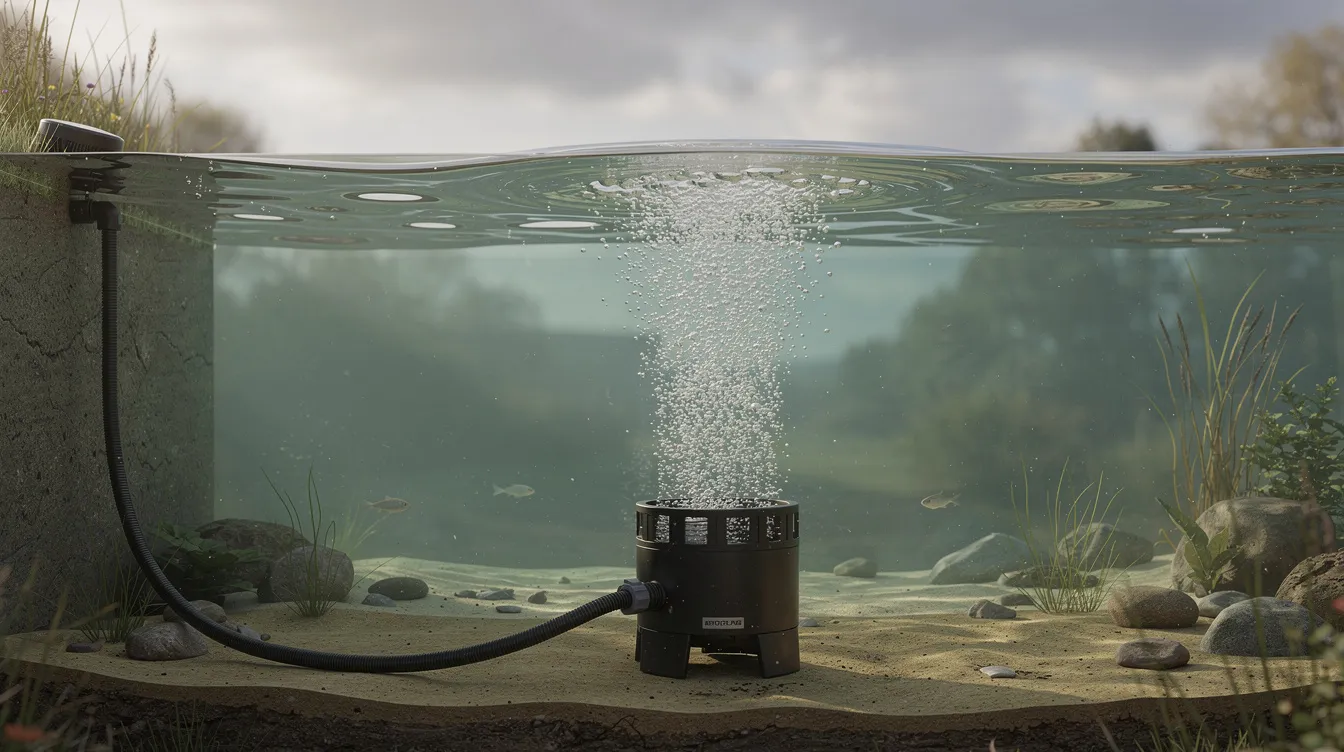
Aeration increases dissolved oxygen, improves circulation, and can reduce internal nutrient release from anoxic sediments-indirectly lowering the severity of algal blooms. However, aeration does not remove external pollutant inputs. It must be combined with watershed controls for lasting results. Ready Scout designs and installs aeration systems matched to lake depth, area, and existing water quality conditions across the Northeast and Ontario.
How often should we test our lake's water quality for pollutants?
At minimum, seasonal testing (spring, mid-summer, fall) is recommended for recreational lakes. Sample more frequently during known bloom periods or after major storm events. Groundwater-fed ponds or drinking water sources may need different schedules based on regulatory requirements. Develop a multi-year monitoring plan so data can be compared over time and linked to management actions.
What first steps should our lake association take to reduce pollution?
Follow this sequence: form a water quality committee, gather existing data and reports, identify obvious pollution sources (eroding shorelines, failing culverts, dense lawn fertilization), and contact a qualified consultant. Start with "no-regrets" actions-improving shoreline buffers, educating residents about fertilizer and pet waste, and inspecting septic systems. Ready Scout offers initial consultations and planning support specifically for lake and pond communities in our service areas.
Conclusion and Call to Action
Water pollutants-from nutrients and heavy metals to pathogens and plastics-threaten the ecological health of every lake and pond and the public health of communities that depend on them. Effective management combines monitoring, regulatory compliance, and on-the-ground practices like shoreline restoration, storm water control, and targeted in-lake treatments. No single action solves the problem; sustained, science-based effort does.
If you're part of a lake association, municipality, or private pond community in northern New Jersey, upstate New York, Vermont, or southern Ontario, partner with Ready Scout to assess current conditions and build a practical, phased pollutant management plan. Contact Ready Scout today for a consultation on water quality monitoring, algae and plant management, aeration design, and regulatory permitting tailored to your specific waterbody.